19 Oct 2022
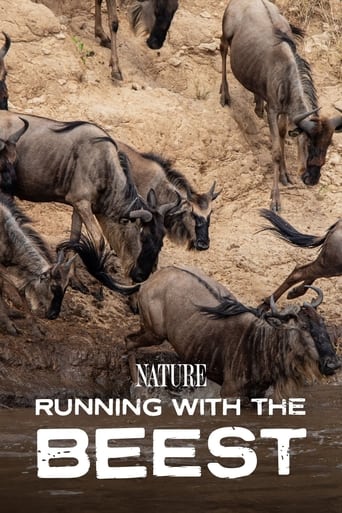
Running With The Beest
No overview found
The starling is a common bird that lives in close proximity to humans. It nests in hollows in trees, under roof tiles or in bird boxes. In Mikael Kristersson's film we see starlings from a new angle, inside a nest, from when they first inspect the nest site in early spring until the last chick flies away in June.
19 Oct 2022
No overview found

21 Jan 2024
No overview found
01 Jan 2015
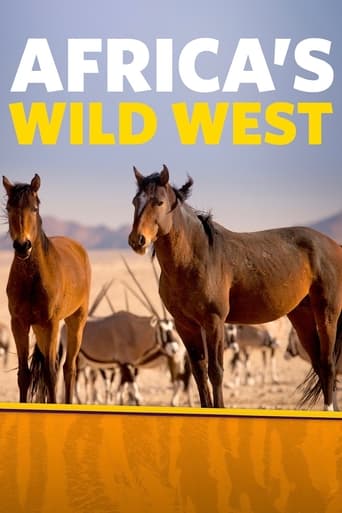
Some 150 wild horses live in an expanse of desert, grassland and rock along Namibia’s west coast - a ‘Forbidden Zone’ rife with ghost towns.
09 May 2024
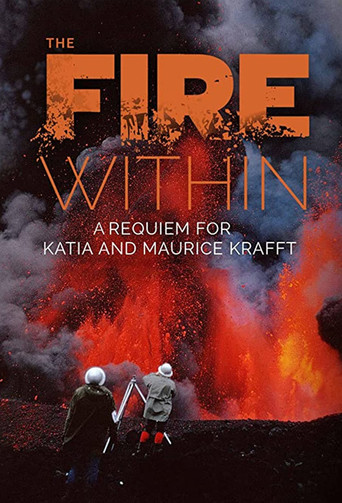
Filmmaker Werner Herzog combs through the film archives of volcanologists Katia and Maurice Krafft to create a film that celebrates their legacy.
01 Jan 2020
Amphibians are living fossils in a modern world. The various species of frogs, toads, and salamanders are more diverse than you could ever imagine. Whether dodging danger, raising their young, or wearing a disguise, amphibians never cease to amaze. So, hop along to your local pond, dive in, and explore the fascinating world of the frogs and their cousins.
04 Apr 2022
No overview found
01 Jun 2023
No overview found

23 Oct 2024
No overview found
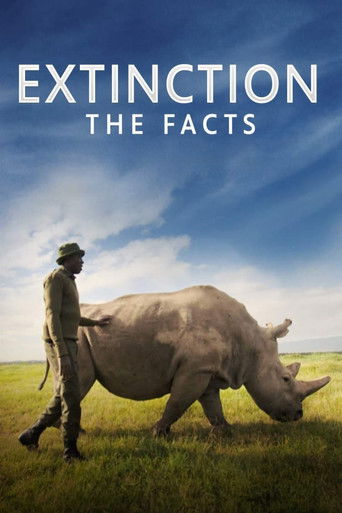
13 Sep 2020
With a million species at risk of extinction, Sir David Attenborough explores how this crisis of biodiversity has consequences for us all, threatening food and water security, undermining our ability to control our climate and even putting us at greater risk of pandemic diseases.
29 Oct 2000
Documentary about creatures that have vampire tendencies, including bloodsucking moths in South America, vampire finches that drink the blood of other birds, and mosquitos.
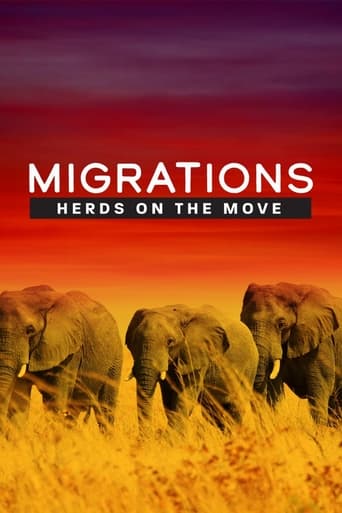
01 Jan 2020
Migration is one of the great phenomena of the natural world. When it’s time to move some take to the skies or the oceans, but the migrants we know best are found in the awe-inspiring herds running across our planet.
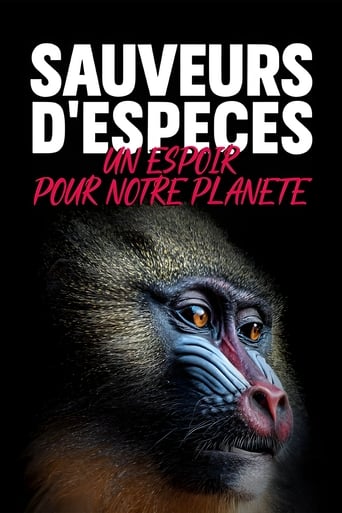
31 Oct 2020
With celebrated primatologist Jane Goodall, this documentary goes around the world to meet the individuals working hard to protect the world’s biodiversity for the future of the planet and the future of mankind.
01 May 2019
No overview found
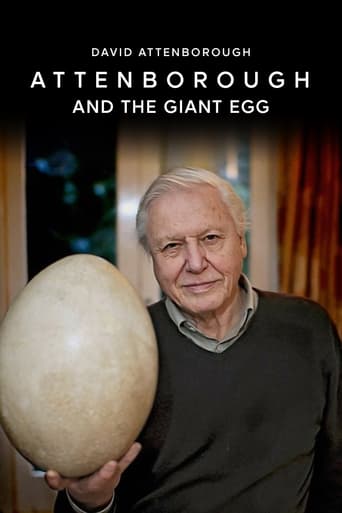
02 Mar 2011
David Attenborough returns to the island of Madagascar on a very personal quest. In 1960 he visited the island to film one of his first ever wildlife series, Zoo Quest. Whilst he was there, he acquired a giant egg. It was the egg of an extinct bird known as the 'elephant bird' - the largest bird that ever lived. It has been one of his most treasured possessions ever since. Fifty years older, he now returns to the island to find out more about this amazing creature and to see how the island has changed. Could the elephant bird's fate provide lessons that may help protect Madagascar's remaining wildlife? Using Zoo Quest archive and specially shot location footage, this film follows David as he revisits scenes from his youth and meets people at the front line of wildlife protection. On his return, scientists at Oxford University are able to reveal for the first time how old David's egg actually is - and what that might tell us about the legendary elephant bird.
16 Apr 2006
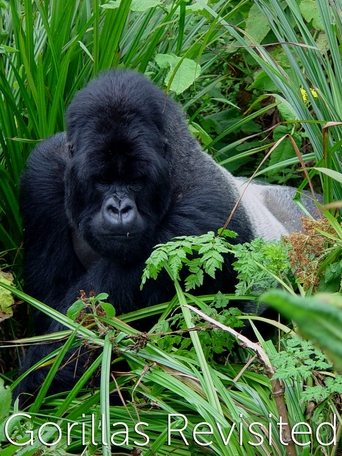
David Attenborough recounts his very personal experiences with the mountain gorillas of Rwanda. Ever since they were discovered over a century ago, these remarkable creatures have been threatened by loss of habitat, poaching, disease and political instability. But despite all odds their numbers have increased. David tells the extraordinary tale of how conservationists like Dian Fossey have battled to save the mountain gorilla from the brink of extinction.

09 Dec 2009
Renowned actress Michelle Yeoh journeys home to Malaysia to get to know her adopted orangutan, learning from the Sepilok Rehabilitation Centre about the efforts being made to safeguard and sustain this endangered species.
01 Jan 1956
Educational documentary that illustrates the living conditions and importance of ants in environmental ecosystems.
22 Feb 2005
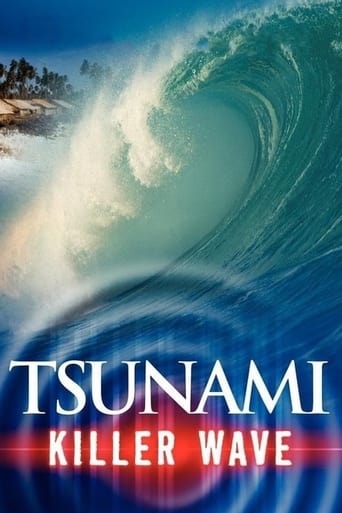
The globe learned on December 26, 2004, that tsunamis can bring death and devastation to the world's coastlines. The product of undersea earthquakes and volcanic eruptions, tsunamis can race across oceans at more than 500 miles an hour, leaving a huge wake of destruction when they hit shore. Because it is difficult for scientists to predict how large these massive waves can be, tsunamis are one of the least understood of nature's forces, and one of the most dangerous. With insight from some of the scientific community's foremost researchers, and vivid accounts from past tsunami survivors, Tsunami: Killer Wave depicts nature at its most extreme, profiles the efforts being made to curb its effects, and illustrates the financial, physical and emotional toll it can leave on its victims.
21 Oct 2024
A short filmed in Brasil (Brazil). The short showcases the Brazilian state of Minas Gerais, mainly the country side.
12 Sep 2024
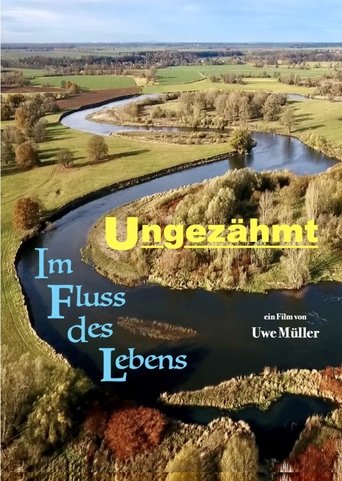
We get to know a few inhabitants of central European rivers.