01 Jan 1962

Niger Festivals: December 1961 - Niger Independence Days
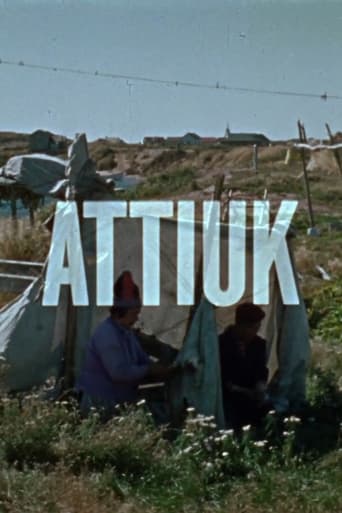
Commemorative celebrations of the independence of the Republic of Niger filmed in December 1961 and 1962.

A ritual vase, the hampi, is placed in the center of the Musée de plein air de la République du Niger in Niamey, during a ritual ceremony featuring possession dances. With this film, Jean Rouch continues his ethnological and cinematographic study of Songhay ritual objects. He demonstrates that, in a particular context, the transfer of a hampi vase to a museum requires the organization of a ritual ceremony to obtain the gods' approval. At the time, however, reservations about filming a possession dance for the opening of a shrine in a museum made the move "questionable from a museological point of view".

01 Jan 1962

Commemorative celebrations of the independence of the Republic of Niger filmed in December 1961 and 1962.

12 Mar 1986

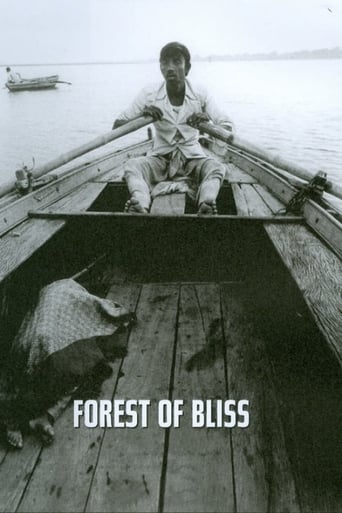
Forest of Bliss is an unsparing yet redemptive account of the inevitable griefs, religious passions and frequent happinesses that punctuate daily life in Benares, India's most holy city. The film unfolds from one sunrise to the next without commentary, subtitles or dialogue. It is an attempt to give the viewer a wholly authentic, though greatly magnified and concentrated, sense of participation in the experiences examined by the film.

01 Dec 1970

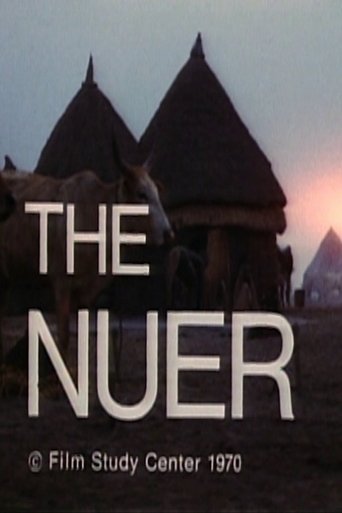
Portrays the Nuer, Nilotic herdsmen of the Nile basin. Shows how their daily lives revolve about their cattle, and depicts the psychological bonds between them. Includes extensive use of Nuer music and poetry.

07 Jan 1926

Robert J. Flaherty’s follow-up to Nanook of the North shifts from the Arctic to the South Seas, portraying Samoan village life with a painterly eye. Blending ethnographic detail with a romanticized “Gauguin idyll,” the film celebrates daily rituals, communal traditions, and the passage into adulthood, suffused with what Flaherty called “pride of beauty, pride of strength.”

02 Nov 2017

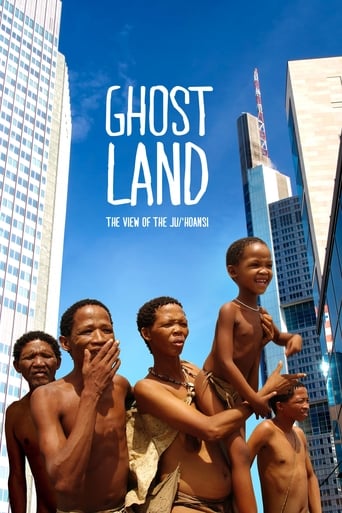
Remember the culture clash in THE GODS MUST BE CRAZY? This time it's real. One of the most ancient cultures on our planet is undergoing a major change. The Ju/Hoansi Bushmen in Namibia are not allowed to hunt anymore and need to converge with our so called “civilized” lifestyle. For the first time the Ju/Hoansi Bushmen travel through the Kalahari and then right into the heart of Europe. What starts as a look at their fascinating culture becomes an even more fascinating look at our Western lifestyle. A warm and humorous reflection of our habits through the eyes of people who are about to give up their million year old traditions.

01 Jan 1953

The story of a poor girl who leaves her starving family and sheep for a more prosperous village. Her grandfather finds her and tries to convince her to return to her home.

01 Jan 1982

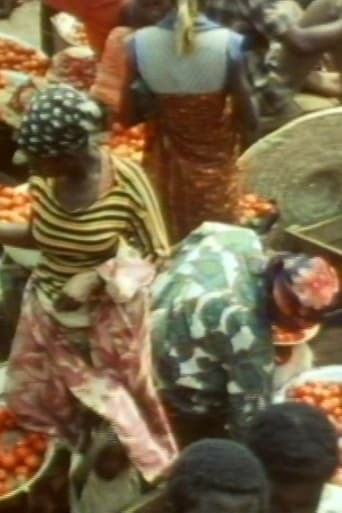
As retailers, wholesalers, and negotiators, Asante women of Ghana dominate the huge Kumasi Central Market amid the laughter, argument, colour and music. The crew of this `Disappearing World' film have jumped into the fray, explored, and tried to explain the complexities of the market and its traders. As the film was to be about women traders, an all female film crew was selected and the rapport between the two groups of women is remarkable. The relationship was no doubt all the stronger because the anthropologist acting as advisor to the crew, Charlotte Boaitey, is herself an Asante. The people open up for the interviewers telling them about their lives as traders, about differences between men and women, in their perception of their society and also about marriage.

01 Jan 1966

The young goat herders from the cliff of Bandiagara practice on the stone drums of their ancestors. An ethnomusicological film experiment describing the subtle plays of the right and left hand of Dogon drummers.
01 Jan 1988
The Bapst Brothers: Romain, Maurice and Jacques – whom we will also meet in The Gruyere Chronicle (produced in 1990) – are peasants and carriers and work with their father. In autumn and winter, they bid for the community’s wood, cut down the pine trees and bring down the logs through the snowy woods by horse-drawn sleigh.

01 Jan 1977

Germaine Dierterlen talks about Dogon mythology at a conference on the Bandiagara cliffs. The Songo canopy is a sacred site in Bandiagara. Its walls are covered with paintings depicting the different phases of creation. A little further on, in a cave near the village of Bongo, symposium participants are discussing the Tellem, the people who lived in the houses built into the cliffs before the arrival of the Dogon. The archaeological remains and migratory movements of these two peoples are discussed.

01 Jan 1975

A portrait of Zomo, the second of Damouré Zika’s many children. Employed at the zoo of the National Museum of Niger in Niamey, he offers us a tour, showing us the animals he takes care of. Then, when the work is finished, he invites us to an impromptu concert by “Jeunesse Gawey,” the “popular music” orchestra he forms with his brothers and sisters, who sing and dance for us pretty songs about their lives, their family, and Nigerien youth.

02 Nov 2023

Niger is one of the poorest countries in the world and is also plagued by numerous terrorist organizations that repeatedly kidnap people. Accompanied by a military convoy, the travel group explores the country and the cultural traditions of two of the last nomadic tribes, the Woodabe and the Tuareg. From the capital Niamey in the southwest, the journey continues through the interior of the country to Iférouane, where the Nigerien tour guide provides information about the country and its people.

14 Dec 2024

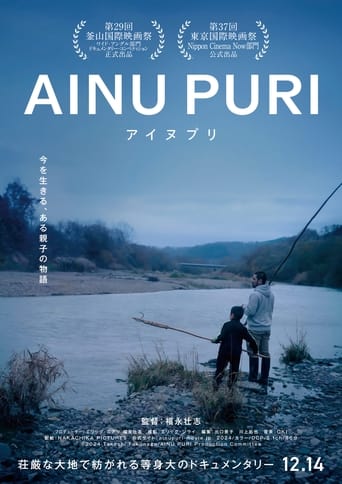
Shigeki, one of the Ainu people of northern Japan, follows the traditions of his ancestors and teaches his son Motoki about their heritage. But how can old customs be revived after centuries of suppression?

21 Mar 2021

A musical documentary woven around the endangered musical culture of the Rangdani Rabhas from Manikganj, Meghalaya, North East India.

01 Jan 1974

In February 1974, Pam Sambo Zima, the oldest of the priests of possession in Niamey, Niger, died at the age of seventy-plus years. In his backyard, the followers from the possession cult symbolically break the dead priest's ritual vases and cry for the deceased while dividing up the clothes of the divinities.

01 Jun 2021

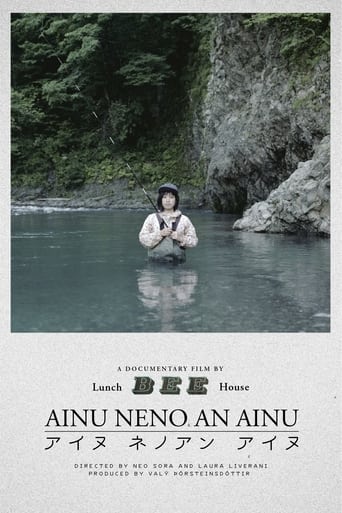
This documentary started as part of a photography project about the indigenous Ainu population in northern Japan, portraying people from tightly knit communities. They feel deeply connected by their culture and tradition. With gorgeous pictures, the directors explore how different generations of Ainu reflect on their identity after centuries of oppression.
01 Jan 1949
Rites and operation of the circumcision of thirty Songhai children on the Niger. Material of this film has been used to make "Les Fils de l'Eau".
Beauty and the Beast: Comparing Two Igbo Masquerades By Herbert M. Cole


No overview found

01 Jan 2020

In Isère, in the mountainous region of Trièves, is the Tournesol farm, an experiential farm totally autonomous in energy, a veritable laboratory for renewable energies. Jean-Philippe and his family live there from sheep farming and organic market gardening. But in September 2017, a violent fire destroyed the farm and its facilities. While the family has lost everything, a surge of solidarity is taking place so that the Tournesol farm is reborn from its ashes.