01 Jan 2006

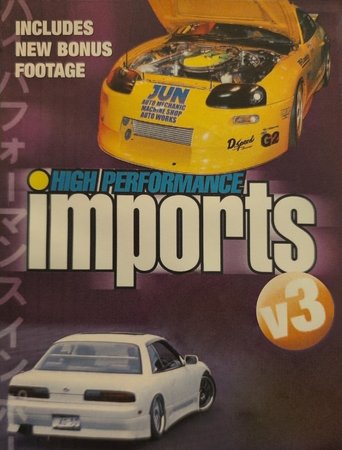
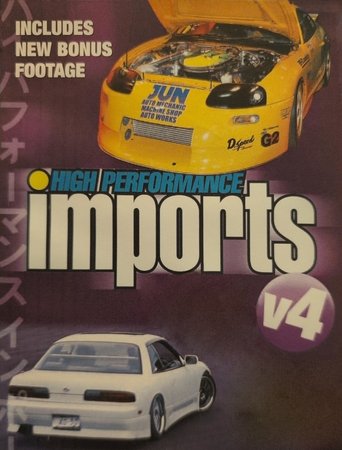
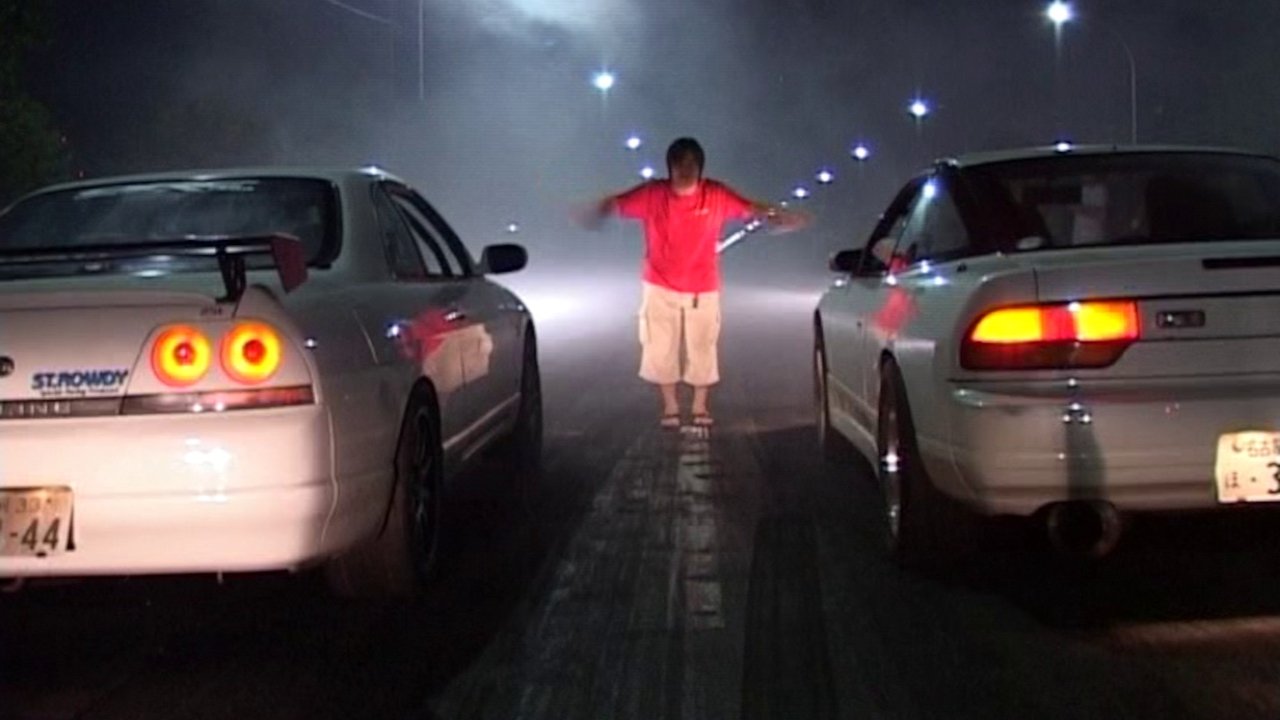
JDM Insider vol 4: The Kanto Tuners
An in-depth look at the world of Japanese street racing.

Extreme draft & drag action
This time High Performance Imports visits Ebisu Circuit for the draft matsuri, tours the Veilside factory and attends some drag meetings.

01 Jan 2006

An in-depth look at the world of Japanese street racing.

20 Jun 1944

Actual footage by the United States Signal Corps of the landing and attack on Arawe Beach, Cape Glouster, New Britain island in 1943 in the South Pacific theatre of World War Two, and the handicaps of the wild jungle in addition to the Japanese snipers and pill-box emplacements.

20 Jul 2017

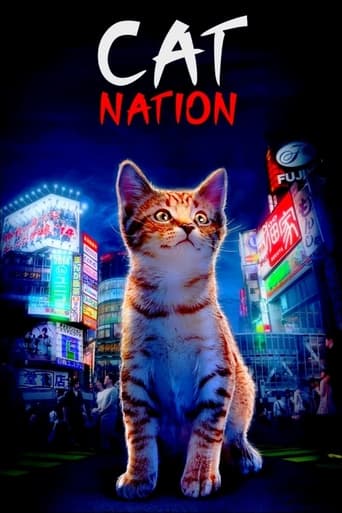
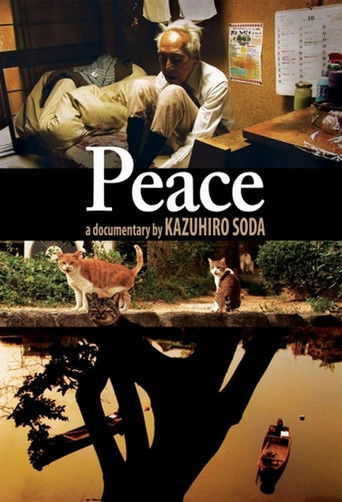
A journey into the unique, often bizarre, world of Japanese cat culture. Cat themed cafes, bars, temples, cat islands, cats with human jobs, cat friendly businesses, and the origins of the iconic beckoning cat statue.

17 Feb 2024

The protagonists of the film are the Zainichi Korean women living in Kawasaki. They were tossed about by the war, and after many trips to and fro across the sea in search of a place to live, they finally arrived in Kawasaki, where they have lived modestly and vigorously.

13 Aug 2014

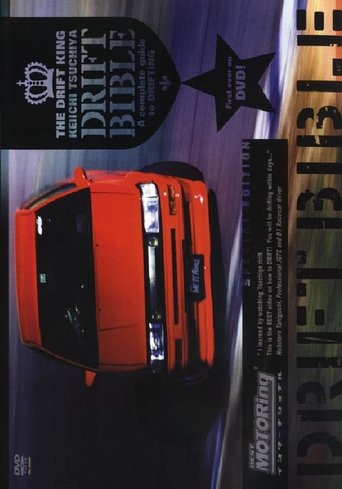
The first feature length documentary on Formula Drift. Learn the Ins and Outs of the only professional drifting series in America. With an overview of the rules, techniques, and the insider tips revealed by the top drivers and privateers.

22 Mar 1895

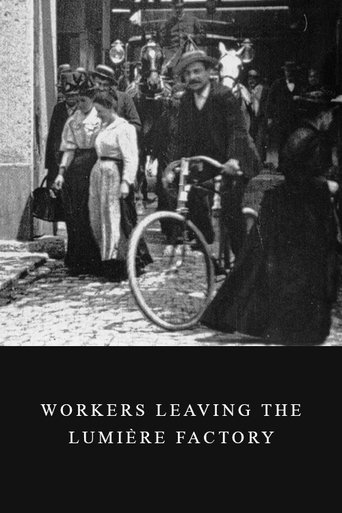
Working men and women leave through the main gate of the Lumière factory in Lyon, France. Filmed on 22 March 1895, it is often referred to as the first real motion picture ever made, although Louis Le Prince's 1888 Roundhay Garden Scene pre-dated it by seven years. Three separate versions of this film exist, which differ from one another in numerous ways. The first version features a carriage drawn by one horse, while in the second version the carriage is drawn by two horses, and there is no carriage at all in the third version. The clothing style is also different between the three versions, demonstrating the different seasons in which each was filmed. This film was made in the 35 mm format with an aspect ratio of 1.33:1, and at a speed of 16 frames per second. At that rate, the 17 meters of film length provided a duration of 46 seconds, holding a total of 800 frames.

21 Oct 1989

Megumi Odaka (小高恵美) idol VHS tape, Megumi the Campaign - Idol Roke Zenkoku Jyuudan, 1989. She is best known for the role of Miki Saegusa in six Godzilla films from 1989 to 1995.

08 Feb 1963

A documentary film that includes footage of past Olympics held in different countries with an particular emphasis on the activities and successes of Japanese athletes and how they are currently (circa 1963) improving themselves.

29 May 2019

This is the story of Kaori Kawabuchi, a samurai sword performer, singer and motion capture actor. An inspiring woman keeping alive ancient traditions and spirituality in modern Japan.

21 Aug 2019

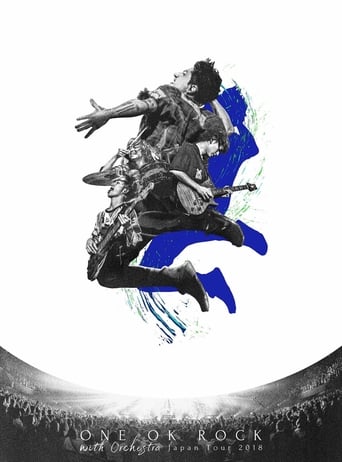
ONE OK ROCK with Orchestra Japan Tour 2018 features the final performance of the special concert held at Osaka-jo Hall in October 2018, where the band performed with a 53-member orchestra, alongside footage from the Saitama Super Arena show. The release also includes a 100-page booklet packed with newly shot member photos, commentary, live reports, and interviews with the production team, offering a deeply engaging read.

01 Jan 2018

After the disaster of March 2011, the Japanese authorities decided to build a gigantic 15 meter high, 500 kilometer long, anti-tsunami wall, separating the land and the ocean. But what is the environmental and human impact of this wall? The population is divided on their opinion: should they cut the island off from the sea or stay vulnerable to tsunamis? Is there another way?


No overview found

25 Jun 2017

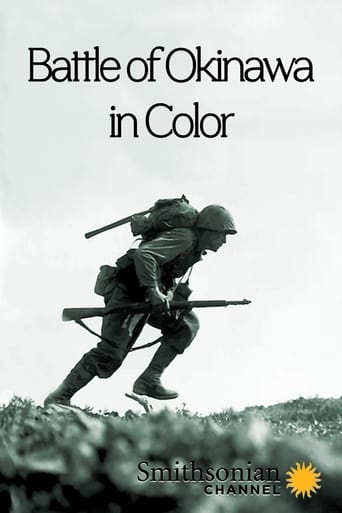
By mid-1945, Hitler is dead and the war has ended in Europe. Halfway around the world, however, the fighting is still going strong on a small island in the Pacific. Okinawa was the site of the last battle of the last great war of the 20th century, with a casualty rate in the tens of thousands. Through it all, military cameramen risked their lives to film the conflict, from brutal land combat to fierce kamikaze attacks at sea. See the footage they captured and experience this intense battle the way the soldiers saw it -- in color.

12 Aug 1998

Megacities is a documentary about the slums of five different metropolitan cities.

27 Dec 2017

A group of friends come up with the brilliant idea of testing the non-existent drink known as "Tea Coffee".

09 Sep 2006

MANUFACTURED LANDSCAPES is the striking new documentary on the world and work of renowned artist Edward Burtynsky. Internationally acclaimed for his large-scale photographs of “manufactured landscapes”—quarries, recycling yards, factories, mines and dams—Burtynsky creates stunningly beautiful art from civilization’s materials and debris.

05 Apr 2004

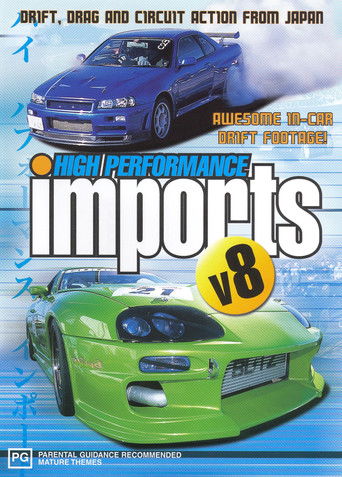
High Performance Imports v8 brings you more driving action than ever before!

28 May 2002

High Performance Imports checks out Tokyo Auto Salon 2002, tours Mine's factory and demonstrates drift action from Mitsui Mike plus an update on the HPI project car tuning.

22 Jul 2002

Join the HPI gang as they attend an HKS street drag meeting, check out demo cars from Signal and C&Y sports along with more in-car drifting action, plus more!

17 Jan 2005

Using never-before-seen footage, Japan's War In Colour tells a previously untold story. It recounts the history of the Second World War from a Japanese perspective, combining original colour film with letters and diaries written by Japanese people. It tells the story of a nation at war from the diverse perspectives of those who lived through it: the leaders and the ordinary people, the oppressors and the victims, the guilty and the innocent. Until recently, it was believed that no colour film of Japan existed prior to 1945. But specialist research has now unearthed a remarkable colour record from as early as the 1930s. For eight years the Japanese fought what they believed was a Holy War that became a fight to the death. Japan's War In Colour shows how militarism took hold of the Japanese people; describes why Japan felt compelled to attack the West; explains what drove the Japanese to resist the Allies for so long; and, finally, reveals how they dealt with the shame of defeat.