10 May 2005
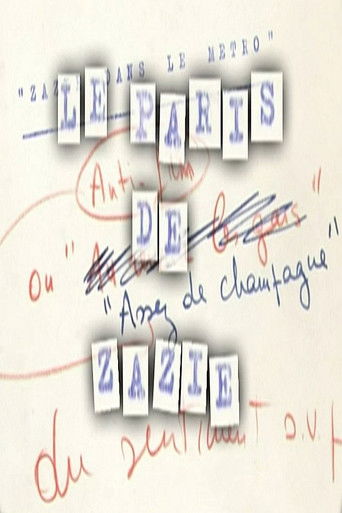
Le Paris de Zazie
Documentary about the Parisian locations for the film by Louis Malle.
A panoramic shot, making a full circle, at the 1900 Paris Exposition. It begins and ends looking at the front of the Palace of Electricity. As it pans, first we see a workman hosing down the promenade. Men and women walk past, all wearing hats. We see the base of the Eiffel Tower, which the Palace faces. A couple strolls. A mother and daughter walk passed, father is slightly ahead wearing a boater. Three men in uniform walk toward the camera as it comes to a stop facing the Palace.
10 May 2005
Documentary about the Parisian locations for the film by Louis Malle.
28 May 2016
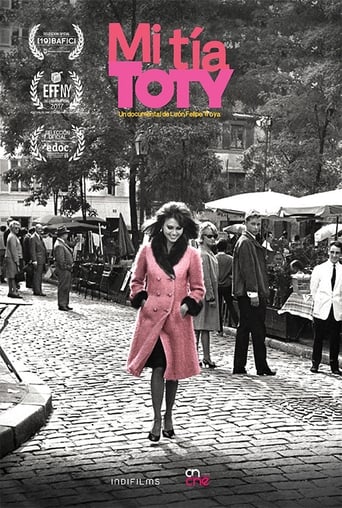
A look at the life of Toty Rodríguez: An actress who made her career in France during the 60s, a well-known Diva in Ecuador as well as an icon of the women rights. She returns to Paris with her nephew to revisit her past in a town that changed her life.
17 Feb 2005
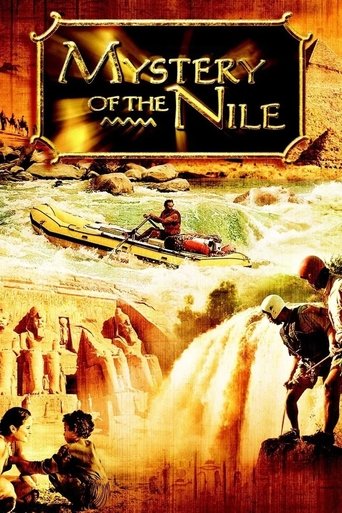
Filmed in IMAX, a team of explorers led by Pasquale Scaturro and Gordon Brown face seemingly insurmountable challenges as they make their way along all 3,260 miles of the world's longest and deadliest river to become the first in history to complete a full descent of the Blue Nile from source to sea.

12 Mar 2004
A big-screen look into one of America's most successful entertainment industries, NASCAR racing.

14 Sep 2003
12,000 feet down, life is erupting. Alvin, a deep-sea mechanized probe, makes a voyage some 12,000 feet underwater to explore the Azores, a constantly-erupting volcanic rift between Europe and North America.
29 Jun 1919
This film records the vast public response to the early death of Vera Kholodnaya, the first star of Russian cinema.
14 Oct 1888
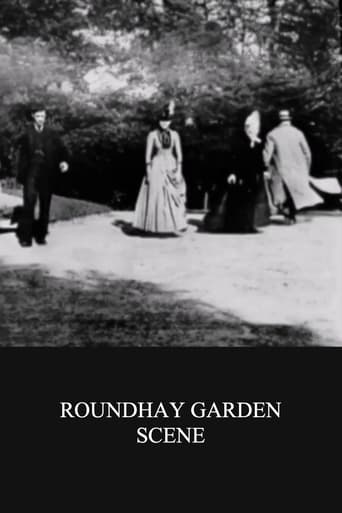
The earliest surviving motion-picture film, and believed to be one of the very first moving images ever created, was shot by Louis Aimé Augustin Le Prince using the LPCCP Type-1 MkII single-lens camera. It was taken on paper-based photographic film in the garden of Oakwood Grange, the Whitley family house in Roundhay, Leeds, West Riding of Yorkshire (UK), on 14 October 1888. The film shows Adolphe Le Prince (Le Prince’s son), Mrs. Sarah Whitley (Le Prince’s mother-in-law), Joseph Whitley, and Miss Harriet Hartley walking around in circles, laughing to themselves, and staying within the area framed by the camera. Roundhay Garden Scene is often associated with a recording speed of around 12 frames per second and runs for about 2 to 3 seconds.
15 Oct 1888
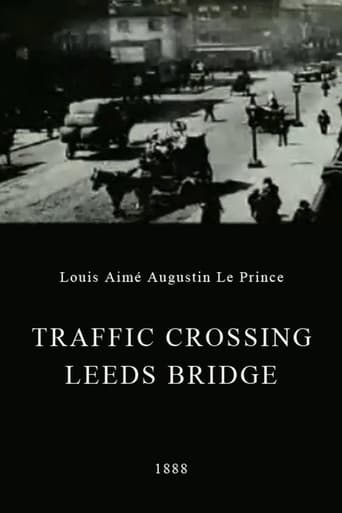
A film by Louis Aimé Augustin Le Prince, shot in late October 1888, showing pedestrians and carriages crossing Leeds Bridge.
09 Apr 2014
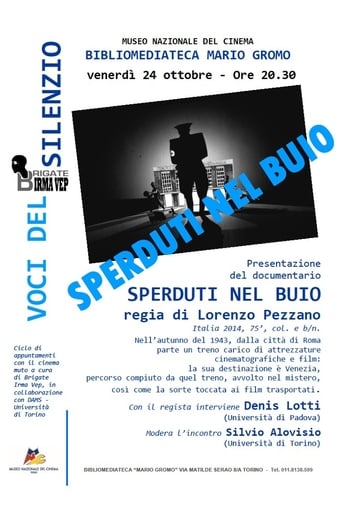
Documentary about the lost 1914 film "Sperduti nel buio". Film historian Denis Lotto journeys across Europe following the trail of the lost movie.
14 Mar 1894
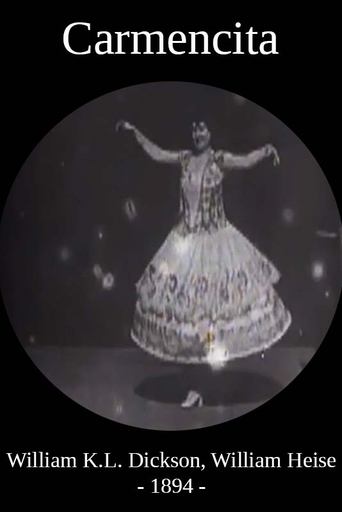
The first woman to appear in front of an Edison motion picture camera and possibly the first woman to appear in a motion picture within the United States. In the film, Carmencita is recorded going through a routine she had been performing at Koster & Bial's in New York since February 1890.
09 Sep 2021
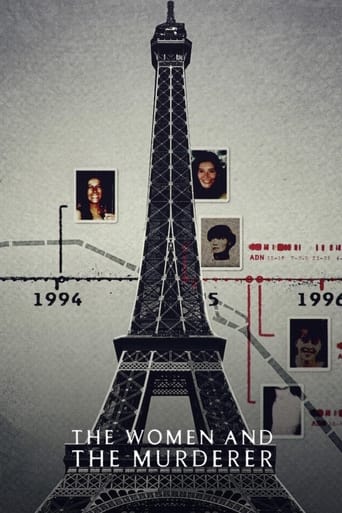
This documentary traces the capture of serial killer Guy Georges through the tireless work of two women: a police chief and a victim's mother.
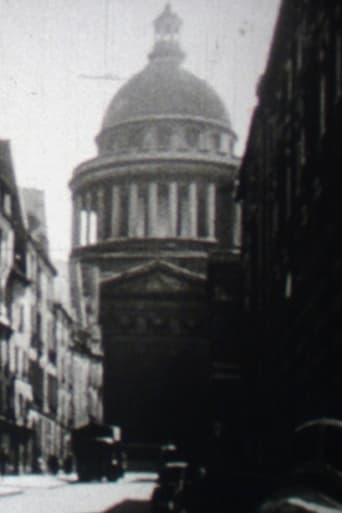
11 Aug 1955
No overview found
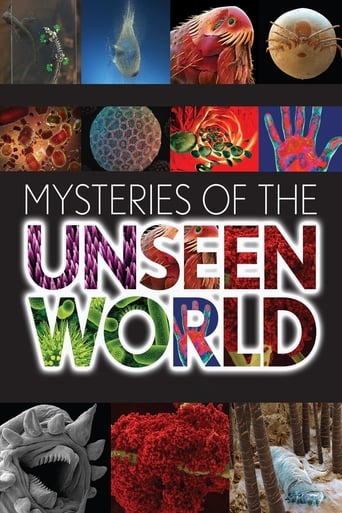
01 Nov 2013
Mysteries of the Unseen World transports audiences to places on this planet that they have never been before, to see things that are beyond their normal vision, yet literally right in front of their eyes. Mysteries of the Unseen World reveals phenomena that can't be seen with the naked eye, taking audiences into earthly worlds secreted away in different dimensions of time and scale. Viewers experience events that unfold too slowly for human perception
01 Jan 1962
No overview found
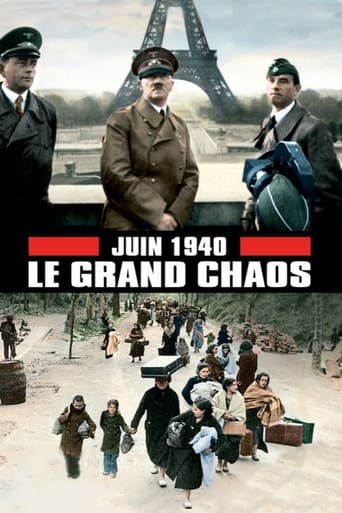
14 Jun 2010
From May 10, 1940, France is living one of the worst tragedies of it history. In a few weeks, the country folds, and then collapsed in facing the attack of the Nazi Germany. On June 1940, each day is a tragedy. For the first time, thanks to historic revelations, and to numerous never seen before images and documents and reenacted situations of the time, this film recounts the incredible stories of those men and women trapped in the torment of this great chaos.
01 Aug 1992
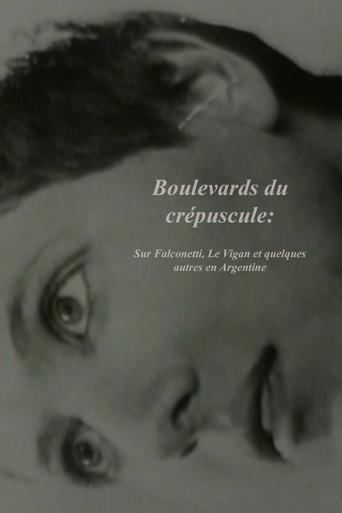
In this documentary about the exile of two famous French actors in Argentina during and after World War II, the director Cozarinsky returns to Argentina after many years in France and recalls places and events from his childhood, particularly the celebration of the liberation of Paris on in August of 1944, in Buenos Aires's Plaza Francia. Featuring testimony from various authors and acquaintances of Maria (Renee) Falconetti and Robert Le Vigan, the film explores their lives and final years in Argentina.
05 May 1971
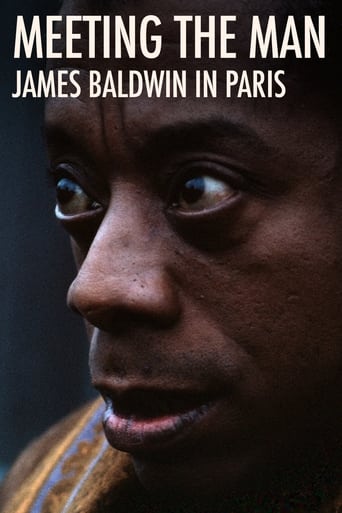
In 1970, a British film crew set out to make a straightforward literary portrait of James Baldwin set in Paris, insisting on setting aside his political activism. Baldwin bristled at their questions, and the result is a fascinating, confrontational, often uncomfortable butting of heads between the filmmakers and their subject, in which the author visits the Bastille and other Parisian landmarks and reflects on revolution, colonialism, and what it means to be a Black expatriate in Europe.
21 Oct 2020
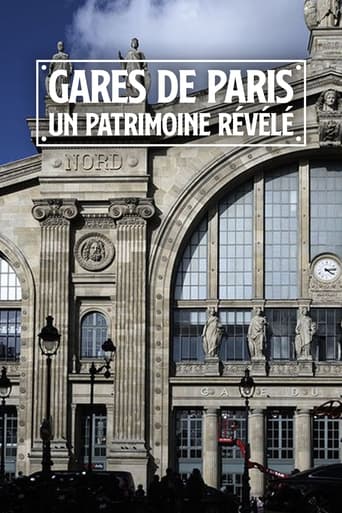
Every day, Paris’ six railway stations welcome over 3,000 trains and more than a million travelers coming from France and all over Europe. The stations’ sizes are impressive: Gare du Nord is bigger than the Louvre or Notre-Dame de Paris. These railway stations are architectural landmarks and a model of urban planning despite the radical changes they’ve undergone since their construction in the middle of the 19th century. How did the railway stations manage to absorb the boom of travelers in just a few decades? What colossal works were necessary to erect and then modify these now essential buildings? From the monumental glass walls of Gare du Nord to the iconic tower of Gare de Lyon, to the first-ever all-electric train station, each has its own story, technical characteristics, and well-defined urban image.

01 Oct 2020
Czech painter and illustrator Alphonse Mucha (1860-1939) ranks among the pioneers of the Art Nouveau movement at the end of the 19th century. Virtually overnight, he becomes famous in Paris thanks to the posters that he designs to announce actress Sarah Bernhardt’s plays. But at the height of his fame, Mucha decides to leave Paris to realize his lifetime project.
22 Jan 2020
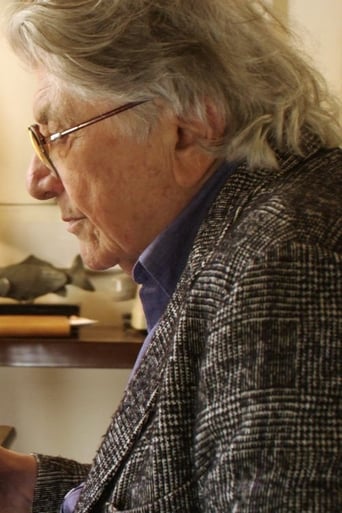
The film tells of the radical life-search by the Swiss writer Paul Nizon, born 1929 in Bern, Switzerland, who became what “he was meant to be” in Paris. Now 90-year-old, Paul Nizon grants insights into his life and work in a self-ironic, direct manner. The intimate portrait of a great literary outsider emerges, for whom the risk of life and the risk of writing merge into one and the same work of art.