22 Oct 2016
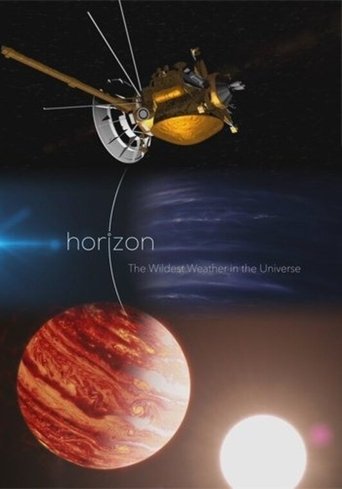
The Weirdest Weather in the Universe
Horizon visits state-of-the-art laboratories and uses CGI to recreate the science-fiction-worthy weather experienced on other planets.
A look at how the weather bureau tries to warn farmers and businessmen about approaching large storms. Although some precautions can be taken to lessen their impact, storms have to run their course, and there is really not much we can do about them.

Narrator (voice)
22 Oct 2016
Horizon visits state-of-the-art laboratories and uses CGI to recreate the science-fiction-worthy weather experienced on other planets.
17 Aug 2007
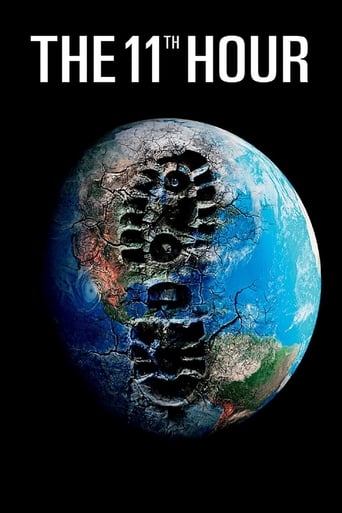
A look at the state of the global environment including visionary and practical solutions for restoring the planet's ecosystems. Featuring ongoing dialogues of experts from all over the world, including former Soviet Prime Minister Mikhail Gorbachev, renowned scientist Stephen Hawking, former head of the CIA R. James Woolse
23 Apr 2017
Six fearless surfers travel to the north coast of Iceland to ride waves unlike anything they've ever experienced, captured with high-tech cameras.
08 Mar 2007
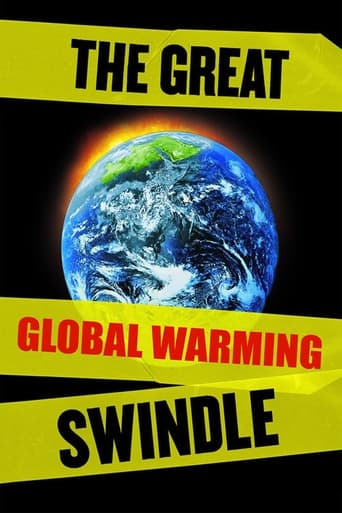
This film tries to blow the whistle on what it calls the biggest swindle in modern history: 'Man Made Global Warming'. Watch this film and make up your own mind.
17 Nov 1993
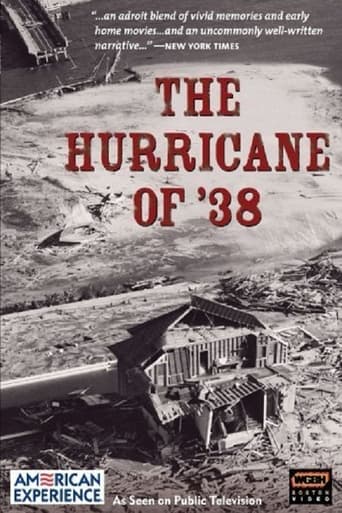
In September of 1938, a great storm rose up on the coast of West Africa and began making its way across the Atlantic Ocean. The National Weather Bureau learned about it from merchant ships at sea and predicted it would blow itself out at Cape Hatteras, North Carolina, as such storms usually did. Within 24 hours, the storm ripped into the New England shore with enough fury to set off seismographs in Sitka, Alaska. Traveling at a shocking 60 miles per hour -- three times faster than most tropical storms -- it was astonishingly swift and powerful, with peak wind gusts up to 186 mph. Over 600 people were killed, most by drowning. Another hundred were never found. Property damage was estimated at $400 million -- over 8,000 homes were destroyed, 6,000 boats wrecked or damaged.
09 Jun 1998
The storm of 1993 that ravaged the Eastern Seaboard was bigger than any since the 1800s. Most were expecting only more unseasonable warmth, and were caught off-guard by the hurricane winds, massive thunderstorms, and fierce blizzards. Meteorologists puzzled over bizarre reports from their computers. Late warnings went largely unheard. Video footage from Florida to Maine documents nature's savagery.
20 Apr 1940
Shows how important luck can be in a person's life.
01 Nov 2015
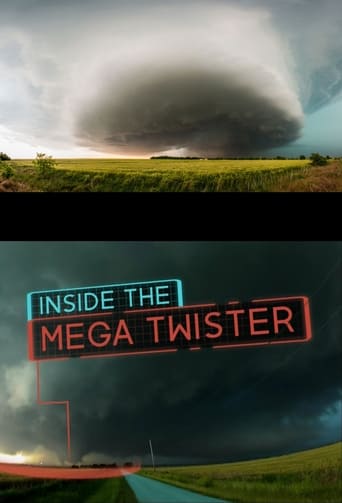
The tornado that struck El Reno, Oklahoma, on May 31, 2013, defined superlatives. It was the largest twister ever recorded on Earth.
08 Jan 2023
News archive, home movies and interviews with celebrities are combined to look back at the extreme weather that hit Britain in December and January 40 years ago. Stories covered include a deadly train crash caused by a blizzard, as well as the Penlee lifeboat disaster, daring motorway rescues and RAF helicopters delivering lifesaving parcels to stranded Highlanders.
02 Oct 1995
Track monsoons, hurricanes, blizzards, and tornadoes. Take a journey around the planet to experience our most extreme storms and to witness the dramatic--and often perilous--efforts of scientists in the pursuit of understanding weather.Join meteorologists in the cockpit of a P-3 weather plane as they penetrate the eye of a hurricane; and in the tense, decisive moments on the road as they focus their radar on an approaching tornado, traveling to the heart of severe storms to learn what makes weather systems tick. Experience the bumpy ride into the sudden and spectacular calm of a hurricane’s eye, or the commando-like raid to the very brink of a killer tornado, and experience one of the elemental joys of doing science: that of confronting nature head-on to divine its awesome secrets.
23 Sep 2014
The Philippines is visited by an average of 20~28 strong typhoons and storms every year. It is the most storm-battered country in the world. Last year, Typhoon Yolanda (Haiyan), considered the strongest storm in history, struck the Philipines, leaving in its path apocalyptic devastation.
13 Sep 2023
Violent squalls, hail, waterspouts, lightning... storms put animals and plants to the test. At a time when climate change is multiplying extreme weather events, this documentary plunges into the heart of a storm, from the heavy, dry atmosphere that precedes it to the deluge that follows.
31 Jan 2021
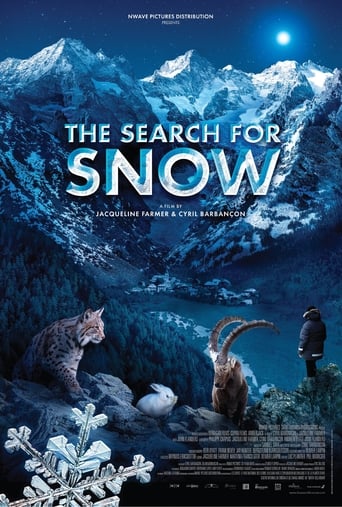
In the northern hemisphere, snow is produced by atmospheric low pressure areas that move in from the western Atlantic in the form of huge cloud masses. Snow is vital to the balance of mountain ecosystems. Many animal and plant species at high altitudes depend on it for their survival. But due to global warming, snow is falling less and less. Will there be no more snow in the future? In the Alps and eastern US the situation is clear: as temperatures rise, snow falls less and less, and snow periods tend to shorten. This threatens the mountain flora and fauna. What future do the marmots or alpine bells have without a heat-insulating layer of snow? What future do the marmots or alpine bells have without a heat-insulating layer of snow? What will happen to the conifers in North America without the annual frost protection? Research teams are looking at the implications for snow-adapted species. The documentation shows animal mountain dwellers, who hope for the long-awaited snow every winter.
01 Jan 1930
Short film about light and weather phenomena
05 May 1945
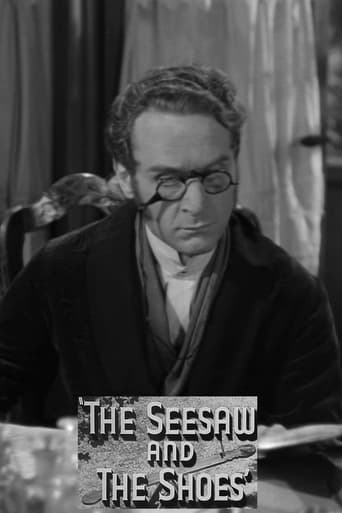
This short shows how two objects led to important discoveries. Children playing with a seesaw inspire French physician Rene Laennec to invent the stethoscope, and a pair of shoes made of caoutchouc lead Charles Goodyear to discover the process for vulcanizing rubber.
27 Aug 1949
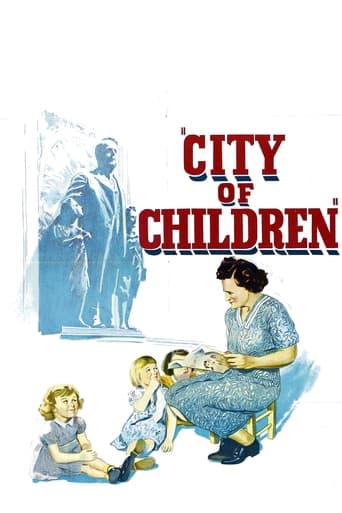
This final John Nesbitt's Passing Parade series short looks at a community, Mooseheart, in Illinois that orphaned children call home.
01 Nov 1996
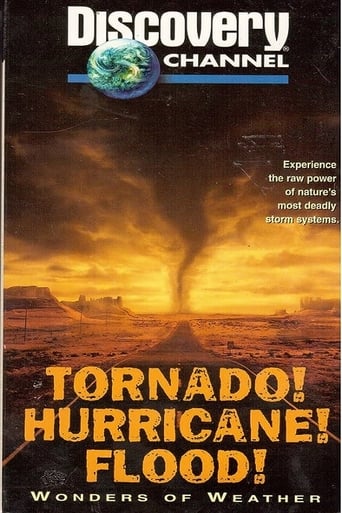
This video presents a look at the forces of nature in their most devastating mode: lightning storms, tornadoes, flash floods, tidal waves, and hurricanes. The film, made for The Discovery Channel, accompanies professional storm chasers as they ride into the eye of a category five hurricane to gather data and get a close-up view. There is footage of a tornado with 300-mile-per-hour winds, as well as 100-foot tidal waves hurtling towards shore at 500 miles per hour. The viewer witnesses a flash flood and hears an interview with a lightning strike survivor.

02 Jul 2022
Bacteria, viruses, but also fungi, algae, pollen, and even insects: micro-organisms thrive and circulate constantly in our sky. How can so many living beings find their way into the air and circulate? How do they survive? And what influence do they have on our lives and the living world? Biodiversity, health, climate: it is only recently that scientists have begun to understand how this discreet aerial "plankton" affects our lives and our ecosystem. But despite their many virtues, some of these micro-organisms are now threatened by human activities. With the help of experts and 3D models, this scientific investigation plunges us into the heart of a still mysterious world, and reveals the diversity and fragility of the air we breathe.
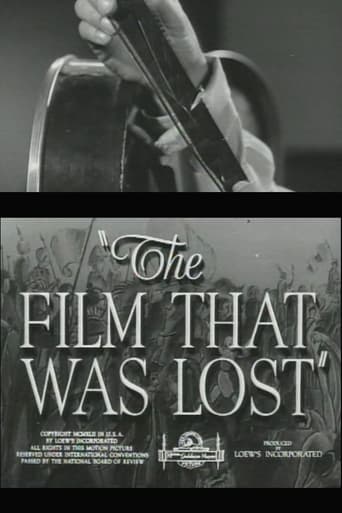
31 Oct 1942
In this John Nesbitt's Passing Parade short, a look is taken at the problems of film preservation efforts in the 1930s and early 1940s.
24 Jul 1943
This John Nesbitt's Passing Parade series short highlights the film preservation efforts of the Museum of Modern Art in New York. Several scenes from early newsreels are shown.