
22 Sep 1988
Thanks Girls and Goodbye
Documentary using archival footage, newsreels and contemporary interviews with women of the WW2 Australian Women's Land Army.
Henry Browne, an African American farmer, and his family are profiled in this film. The important job of a farmer during times of war is highlighted, specifically his efforts growing peanuts and cotton. This role is made even more poingnant when they visit the eldest son who is a cadet in the 99th Pursuit Squadron.

Narrator (voice)
22 Sep 1988
Documentary using archival footage, newsreels and contemporary interviews with women of the WW2 Australian Women's Land Army.

29 May 2017
Over the period of 25 years the director met General Võ Nguyên Giáp, a legendary hero of Vietnam’s independence wars, a number of times. She was the first American who entered the home of the “Red Napoleon”. The fruit of this friendship is a film, personal and politically involved at the same time. Travelling across the country and talking to important figures as well as ordinary people, the director finds out more about her roots and offers the audience a unique perspective on Vietnam’s present and past.

07 Dec 1945
Produced by the Army Pictorial Service, Signal Corps, with the cooperation of the Army Air Forces and the United States Navy, and released by Warner Bros. for the War Activities Committee shortly after the surrender of Japan. Follow General Douglas MacArthur and his men from their exile from the Philippines in early 1942, through the signing of the instrument of surrender on the USS Missouri on September 1, 1945. Preserved by the Academy Film Archive in 2013.

01 Jan 1948
A description and enactment of the discovery of gold by James Marshall, and the role played by John Sutter. Preserved by the Academy Film Archive.
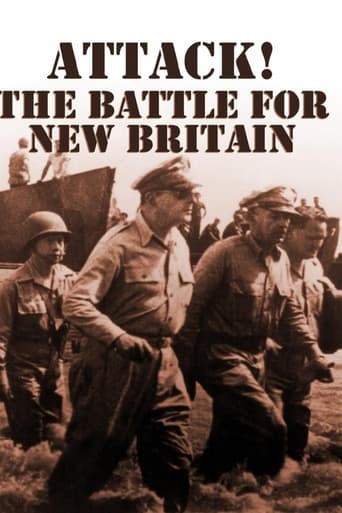
20 Jun 1944
Actual footage by the United States Signal Corps of the landing and attack on Arawe Beach, Cape Glouster, New Britain island in 1943 in the South Pacific theatre of World War Two, and the handicaps of the wild jungle in addition to the Japanese snipers and pill-box emplacements.
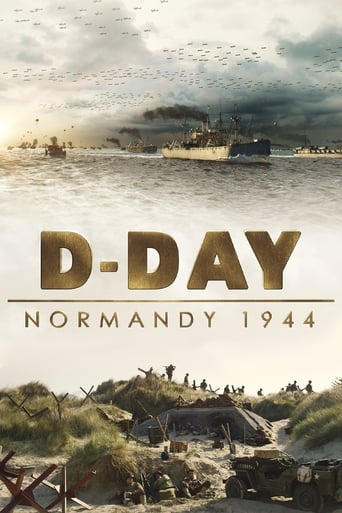
21 Mar 2014
June 6, 1944: The largest Allied operation of World War II began in Normandy, France. Yet, few know in detail exactly why and how, from the end of 1943 through August 1944, this region became the most important location in the world. Blending multiple cinematographic techniques, including animation, CGI and stunning live-action images, “D-Day: Normandy 1944” brings this monumental event to the world’s largest screens for the first time ever. Audiences of all ages, including new generations, will discover from a new perspective how this landing changed the world. Exploring history, military strategy, science, technology and human values, the film will educate and appeal to all. Narrated by Tom Brokaw, “D-Day: Normandy 1944” pays tribute to those who gave their lives for our freedom… A duty of memory, a duty of gratitude.

26 Nov 2020
Single mother Anna and her four children live in the front-line war zone of Donbas, Ukraine. While the outside world is made up of bombings and chaos, the family is managing to keep their home a safe haven, full of life and full of light. Every member of the family has a passion for cinema, motivating them to shoot a film inspired by their own life during a time of war. The creative process raises the question of what kind of power the magical world of cinema could have during times of disaster. How to picture war through fiction? For Anna and the children, transforming trauma into a work of art is the ultimate way to stay human.
Kathy's family left on a Saturday morning in 1965. The rumble of bulldozers echoed through the neighborhood, and her block was empty. Federally-funded urban renewal had arrived in Charlottesville, scattering dozens of families like Kathy's. The once-vibrant African American community, built by formerly enslaved men and women who had secured a long-denied piece of the American dream, disappeared.
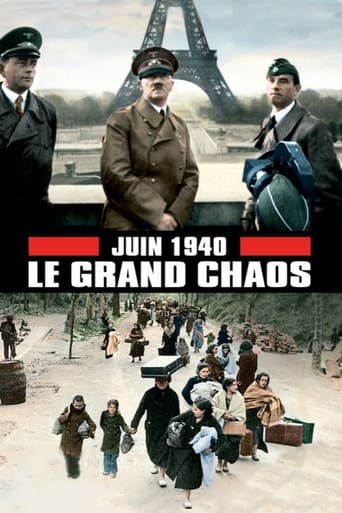
14 Jun 2010
From May 10, 1940, France is living one of the worst tragedies of it history. In a few weeks, the country folds, and then collapsed in facing the attack of the Nazi Germany. On June 1940, each day is a tragedy. For the first time, thanks to historic revelations, and to numerous never seen before images and documents and reenacted situations of the time, this film recounts the incredible stories of those men and women trapped in the torment of this great chaos.
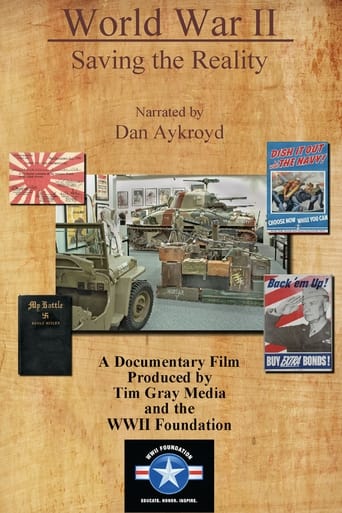
07 Jan 2013
See Kenneth W. Rendell's collection of over 6,000 artifacts that range from the end of World War I and the rise of Nazism to the start of World War II and the fight in Europe and the Pacific.

07 May 1941
A Nazi propaganda film about the lead up to World War II and Germany's success on the Western Front. Utilizes newsreel footage of battles and fell into disfavour with propaganda minister Goebbels because of it's lack of emphasis on Adolf Hitler.
01 Jan 1952
No overview found
A personal documentary that tracks the construction of America's collective memory (or lack of one) of the bombings of Hiroshima and Nagasaki. It follows the obscure histories of specific photos and photographers, both Japanese and American, who visited Nagasaki and Hiroshima in the aftermath of the bombings, counterposing this visual legacy with the stories of survivors, whose practice of speaking to small groups of students offers a modest but powerful counter-history to the official record.
01 Jul 1945
Harold Russell, an American soldier who lost his hands in a training accident, tells the story of his medical rehabilitation at Walter Reed Army Medical Center in Washington DC, how he and his fellow amputees at the hospital at first despaired and then found new hope in the prostheses and training available to amputees through the Army's medical corps. Russell learns to wear and to operate the hooks which replace his hands and becomes competent to perform many tasks he had once thought no longer possible. Discharged from the Army, he is welcomed into Boston College by college president William J. Murphy, S.J.
01 Jan 1944
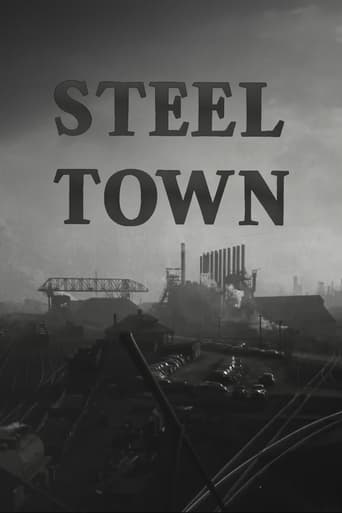
Documentary examining the steel industry in Youngstown, Ohio during World War II. Focuses on steel production, including the smelting process, slagging and the blast furnace. Workers reflect upon their lives and the importance of their jobs. Emphasizes the importance of teamwork in the mills and on the plant's labor relations committee to help win the war. Preserved by the Academy Film Archive in 2012.

27 May 2002
This powerful and thought provoking film chronicles the compelling events in the Pacific Theater of WWII, from the bombing of Pearl Harbor in 1941 to the American occupation of Japan in 1945. It depicts the strength and courage of America's youth, while examining how these men and women dealt with being thrust into this brutal war. The film includes interviews with war veterans, both American and Japanese, from all branches of the military. It features testimony from medics, nurses, dog handlers, as well as Japanese-Americans who were imprisoned at internment camps in the United States. The film also includes a first hand account of the tragic impact of the atomic bomb on Japanese citizens. Among the veterans who appear is Zenji Abe, a Japanese veteran who flew the mission to bomb Pearl Harbor, and retired General Paul Tibbets who flew the mission to bomb Hiroshima.
22 Jan 2007
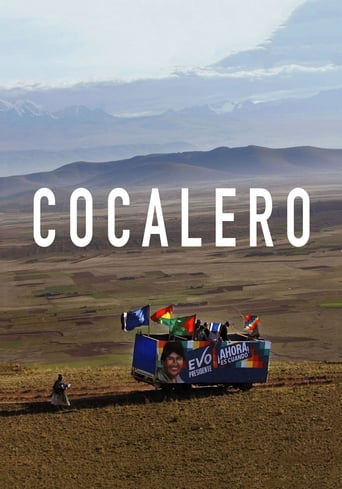
A documentary centered on the union formed by Bolivian farmers in response to their government's (which was urged by the U.S.) effort eradicate coca crops, and the man who would come to represent them, Evo Morales.

13 Apr 1944
This WW2 documentary centers on the crew of the American B-17 Flying Fortress Memphis Belle as it prepares to execute a strategic bombing raid on Nazi submarine pens in Wilhelmshaven, Germany.

21 Apr 1985
Director Claude Lanzmann spent 11 years on this sprawling documentary about the Holocaust, conducting his own interviews and refusing to use a single frame of archival footage. Dividing Holocaust witnesses into three categories – survivors, bystanders, and perpetrators – Lanzmann presents testimonies from survivors of the Chelmno concentration camp, an Auschwitz escapee, and witnesses of the Warsaw Ghetto Uprising, as well as a chilling report of gas chambers from an SS officer at Treblinka.
01 Sep 2009
An investigation of "disaster capitalism", based on Naomi Klein's proposition that neo-liberal capitalism feeds on natural disasters, war and terror to establish its dominance.