18 Apr 1986
The Global Assembly Line
In this gripping, harrowing and insightful documentary, director Gray interviews factory worker women in Mexico and the Philippines and the U.S. industrialists they work for.

Maxed Out takes us on a journey deep inside the American debt-style, where everything seems okay as long as the minimum monthly payment arrives on time. Sure, most of us may have that sinking feeling that something isn't quite right, but we're told not to worry. After all, there's always more credit!
Self
Self

Self
Self (archive footage)
Self (archive footage)
Self (archive footage)
18 Apr 1986
In this gripping, harrowing and insightful documentary, director Gray interviews factory worker women in Mexico and the Philippines and the U.S. industrialists they work for.
12 Sep 2009
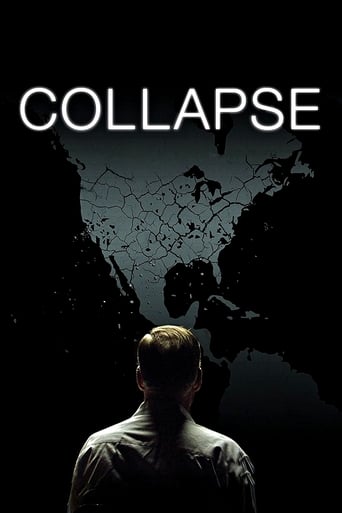
From the acclaimed director of American Movie, the documentary follows former Los Angeles police officer turned independent reporter Michael Ruppert. He recounts his career as a radical thinker and spells out his apocalyptic vision of the future, spanning the crises in economics, energy, environment and more.
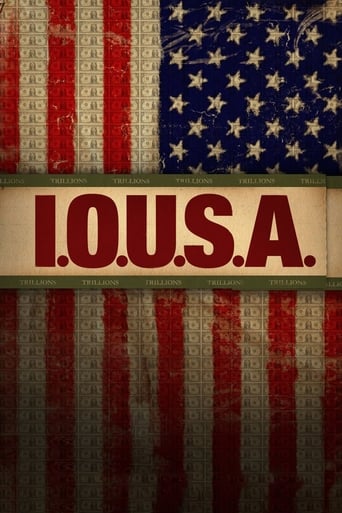
19 Jan 2008
With the country's debt growing out of control, Americans by and large are unaware of the looming financial crisis. This documentary examines several of the ways America can get its economy back on the right track. In addition to looking at the federal deficit and trade deficit, the film also closely explores the challenges of funding national entitlement programs such as Social Security, Medicare and Medicaid.

16 Aug 2014
First ever feature-length documentary on the world-wide phenomenon that inspired an entire generation of children and became a billion dollar franchise--"Masters of the Universe". Features interviews with the key creative personnel behind every version of the best selling toy line and all incarnations of "Masters of the Universe" on television, film, stage, and print, tracing the inception and ups and downs of the fantasy juggernaut.
18 Aug 2021
A documentary on the rise and fall of Project Cybersyn, an attempt at a computer-managed centralized economy undertaken in Chile during the presidency of Salvador Allende.
01 Jan 1967
No overview found
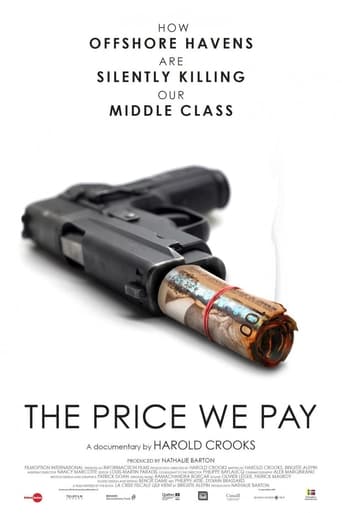
05 Sep 2014
A documentary on the history and present-day reality of big-business tax avoidance, which has seen multinationals depriving governments of trillions of dollars in tax revenues by harboring profits in offshore havens.

30 Jan 2015
A historical perspective to understand Neoliberalism and to understand why this ideology today so profoundly influences the choices of our governments and our lives.
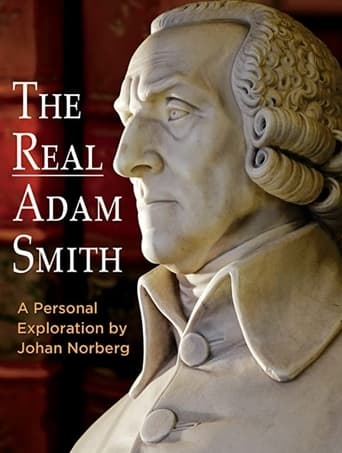
The Real Adam Smith: A Personal Exploration by Johan Norberg, takes an intriguing, two-part look at Smith and the evolution and relevance of his ideas today, both economic and ethical. It’s difficult to imagine that a man who lived with horse drawn carriages and sailing ships would foresee our massive 21st century global market exchange, much less the relationship between markets and morality. But Adam Smith was no ordinary 18th century figure. Considered the “father of modern economics,” Smith was first and foremost a moral philosopher. The revolutionary ideas he penned in The Wealth of Nations and The Theory of Moral Sentiments, changed the world. Norberg explores Smith’s insights regarding free trade and the nature of wealth to the present, where they are thriving and driving the world’s economy.
01 Jun 2007
A documentary examining possible historical and modern conspiracies surrounding Christianity, the 9/11 terrorist attacks, and the Federal Reserve bank.
22 Apr 2005
A documentary about the Enron corporation, its faulty and corrupt business practices, and how they led to its fall.
02 Oct 2008
Zeitgeist: Addendum premiered at the 5th Annual Artivist Film Festival. Director Peter Joseph stated: "The failure of our world to resolve the issues of war, poverty, and corruption, rests within a gross ignorance about what guides human behavior to begin with. It address the true source of the instability in our society, while offering the only fundamental, long-term solution."

12 Jul 2018
Diving deep into the true causes of the Great Recession, the financial crisis of the 2010s, renowned economists, investors and business leaders explain what America is facing if we don't learn from our past mistakes. Is the economy really improving or are we just blowing up another Bubble?
06 Sep 2009
Michael Moore comes home to the issue he's been examining throughout his career: the disastrous impact of corporate dominance on the everyday lives of Americans (and by default, the rest of the world).
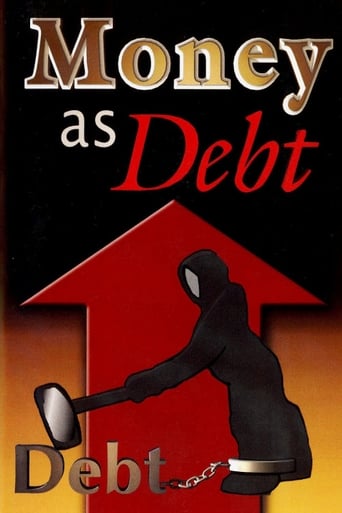
01 Jan 2006
Paul Grignon's 47-minute animated presentation of "Money as Debt" tells in very simple and effective graphic terms what money is and how it is being created
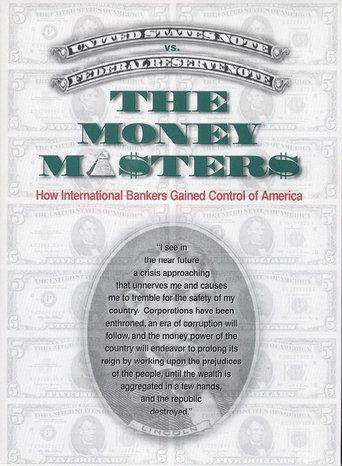
01 Jan 1996
A documentary that traces the origins of the political power structure that rules our nation and the world today. The modern political power structure has its roots in the hidden manipulation and accumulation of gold and other forms of money.

06 Feb 2025
No overview found
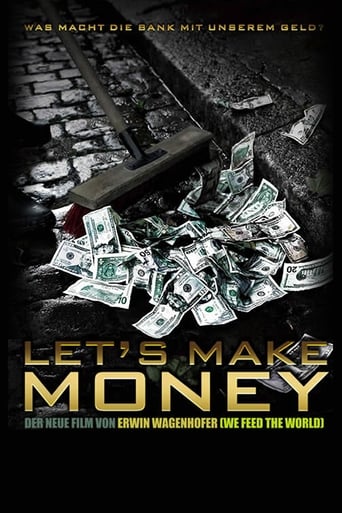
30 Oct 2008
Let’s Make Money is an Austrian documentary by Erwin Wagenhofer released in the year 2008. It is about aspects of the development of the world wide financial system.
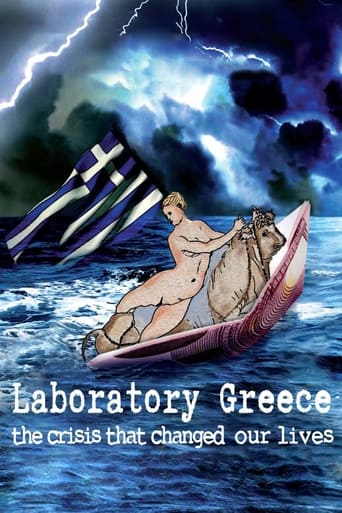
08 Dec 2019
A journey through Greece and Europe’s past and recent history: from the Second World War to the current crisis. It is a historical documentary, a look into many stories. «If Democracy can be destroyed in Greece, it can be destroyed throughout Europe» Paul Craig Roberts

01 Jan 2019
This documentary explores an unknown civilization of the Brazilian Amazon, who risk their lives to protect their forest. In order to save the exploitation of the environment by big corporations, they have to create legal institutions.