01 Jan 1915
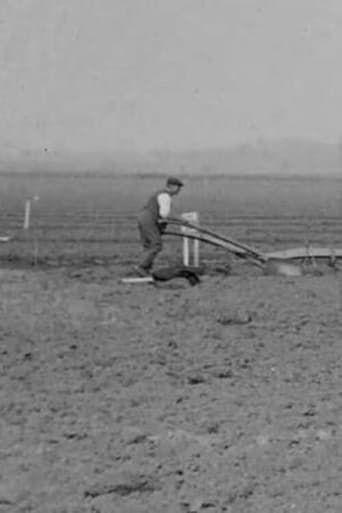
Sons of the Soil
Ilford's Fairlop Plain provides the battlefield for ploughing matches between local hands and Essex outsiders.
Tenei village is located in Fukushima prefecture's beautiful surrounds. It is 70 kilometers away from the Fukushima Daiichi Nuclear Power Plant. When the Fukushima Nuclear Power Plant failed in March 2011, radioactive particles fell and contaminated the rice fields. But the farmers couldn't just abandon their land as they live on the land and wanted to protect it for future generations. The farmers decided to pursue scientific methods to secure food safety. They were on their own without Government assistance. This film documents their determination and efforts in overcoming an environmental crisis that had never been experienced before.

Speaker
01 Jan 1915
Ilford's Fairlop Plain provides the battlefield for ploughing matches between local hands and Essex outsiders.
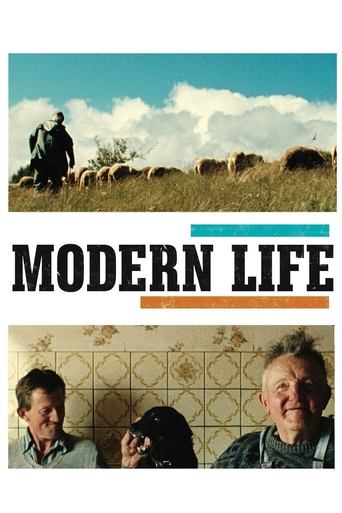
29 Oct 2008
For ten years, Raymond Depardon has followed the lives of farmer living in the mountain ranges. He allows us to enter their farms with astounding naturalness. This moving film speaks, with great serenity, of our roots and of the future of the people who work on the land. This the last part of Depardon's triptych "Profils paysans" about what it is like to be a farmer today in an isolated highland area in France. "La vie moderne" examines what has become of the persons he has followed for ten years, while featuring younger people who try to farm or raise cattle or poultry, come hell or high water.
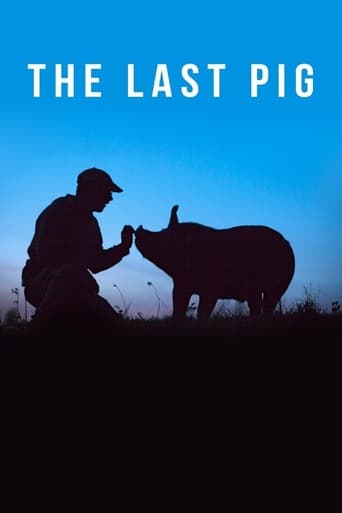
02 Aug 2017
An intimate reflection on animal treatment, following ethical pig farmer, Bob Comis, as he contemplates his transition out of raising animals for slaughter.
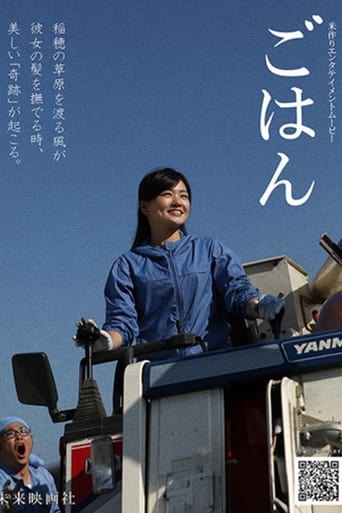
21 Jan 2017
A film about rice cultivation that depicts the most beautiful rice field landscape in Japanese cinema history and the most realistic depiction of modern rice farmers.
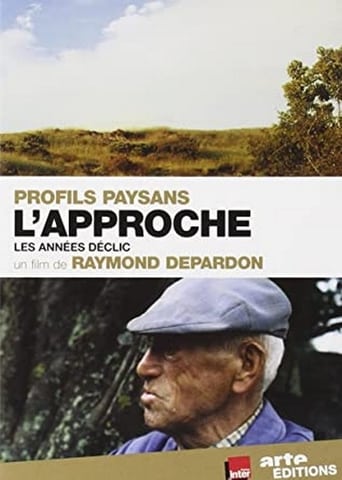
09 May 2001
The first of a documentary serie about rural France.
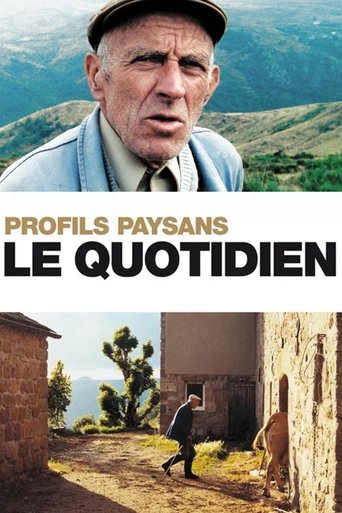
23 Feb 2005
Second documentary of a trilogy produced on the long term (together with Profils paysans: l'approche (2001) and Profils paysans: La vie moderne (2008)), showing the simple lives of farmers in contemporary Southern France.
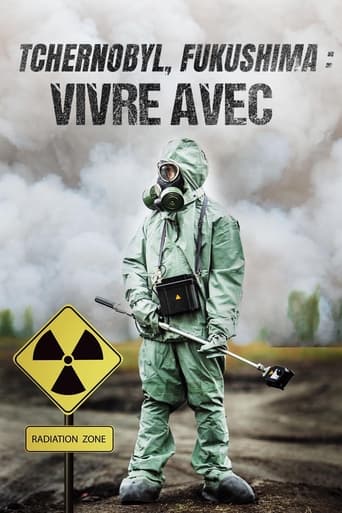
26 Apr 2016
30 years after the Chernobyl catastrophe and 5 years after Fukushima it is time to see what has been happening in the “exclusion zones” where the radioactivity rate is far above normal.
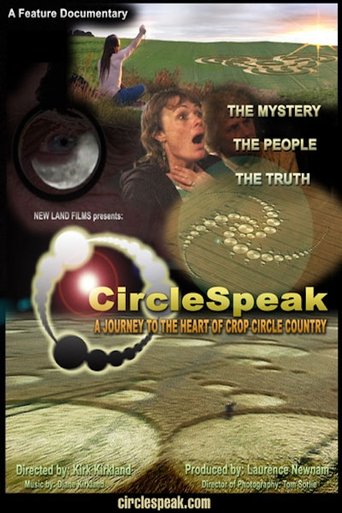
01 Jan 2005
Shot in Southern England over the course of six weeks by a crew of three American filmmakers, CircleSpeak offers a nuanced look at the passions and beliefs of the people immersed in the crop circle phenomenon during the season of 2001. This feature-length documentary presents interviews with serious “researchers”, self-proclaimed “hoaxers”, local farmers and villagers who are all, in one way or another, involved in this strange and compelling summer spectacle taking place year after year.
09 Sep 2025
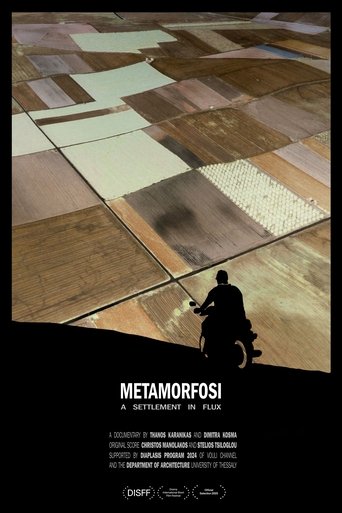
Machines relentlessly working under the scorching sun. Pumps, reels, and unbearable horizons behind corrugated metal sheets that spark at the touch. Eleven months after the devestated floods of 2023, the rural greek settlement of Metamorfosi, awaits the end of a suffocating August and its inevitable transformation.
08 Nov 2018
The Great Lakes and connecting waterways have remained the center of traditional and contemporary economies for centuries. Meet the Ojibwe and a tribe that was relocated to this region—the Oneida Tribe of Wisconsin who care for these lands. Natural resources are the Tribes’ main economy, including the famous Red Lake walleye and wild rice lakes.
13 Feb 2007
A short documentary about the Ojibwe Native Americans of Northern Minnesota and the wild rice (Manoomin) they consider a sacred gift from the Creator. The film tells the Creation and Migration stories that are central to the tribe's oral history and belief system while showing the traditional process of hand-harvesting and parching the wild rice. Biotech companies are currently researching ways to genetically modify the rice and the community is fighting to keep it wild.

11 Jul 2024
No overview found

16 Jun 2021
Amina, Sami and Jennyfer are high school students in the Paris suburbs, in 93. At the initiative of 3 of their teachers, they embark on an unexpected investigation into a gigantic leisure park project which involves concreting agricultural land near their homes. But can we have the power to act on a territory when we are 17 years old? Funny and intrepid, these new citizens take us to meet residents of their neighborhood, property developers, farmers and even elected officials of the National Assembly. A joyful quest that challenges conventional wisdom and revives our connection to the land!

22 Jun 2024
A forgotten history of Northern Ireland is unveiled through a journey into Ulster Television’s archives, and the rediscovery of the first locally-produced network drama, Boatman Do Not Tarry.
04 Nov 1993
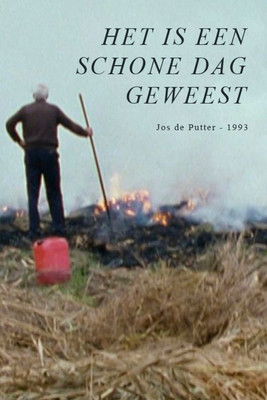
Documentary about the last four seasons on the farm run by the director's parents. The film starts on 1 January 1992, at 6 am and ends in a misty landscape at the end of that year. Het is een schone dag geweest (It's been a beautiful day) shows the end of a farm venture for which no successor has been found, but also the disappearance of a traditional way of life. Modern agriculture is ruled by new regulations, largely made in Brussels. Lonely work on a noisy machine replaces hard but communal work on the land. In a disciplined style, the film shows the disappearance of a traditional lifestyle in part of Holland. Het is een schone dag geweest was ïn 2007 admitted to the "Canon van de Nederlandse Film", a list of the most important Dutch films. (filmcommission.nl)
01 Nov 2018
Lauren Southern’s distubing documentary about the violence against Boer farmers in South Africa.

24 Feb 2022
Even in the push and pull era which is full of flour and sugar, rice firmly protects the table of the rice bowl nation! There are farmers who grow the rice in different ways. Nam Ho-hyeon, a young farmer who continues his father's family business, challenges farming with agricultural drones that spray coated rice seeds in large quantities, but new technologies that seemed to bring a rosy future leave only endless homework in a series of trials and errors. Lee Geun, an urban farmer who started farming on weekends and fell in love with farming, lives a life of small farmers who touch and cultivate them with their hands rather than machines, and studies and protects the world of traditional native rice that has disappeared in history. Our rice, which grows with sincerity, is filled with happiness, and conveys the power of life presented by nature for a long time! The moving journey begins now!
07 Jan 2007
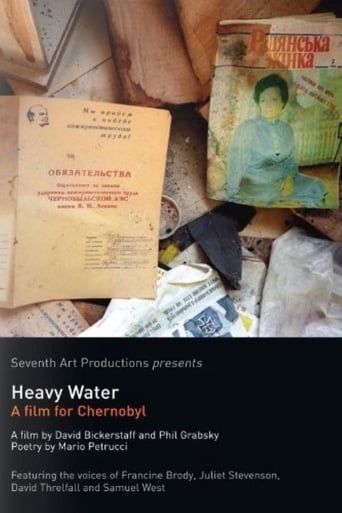
On April 26th, 1986, reactor four at Chernobyl nuclear power station explodes, sending an enormous radioactive cloud over Northern Ukraine and neighbouring Belarus. The danger is kept a secret from the rest of the world and the nearby population who go about their business as usual. May Day celebrations begin, children play and the residents of Pripyat marvel at the spectacular fire raging at the reactor. After three days, an area the size of England becomes contaminated with radioactive dust, creating a 'zone' of poisoned land. Based on Mario Petrucci's award-winning book-length poem (split over two books), 'Heavy Water: a film for Chernobyl', and the shorter version 'Half Life: a Journey to Chernobyl", tells the story of the people who dealt with the disaster at ground-level: the fire-fighters, soldiers, 'liquidators', and their families.
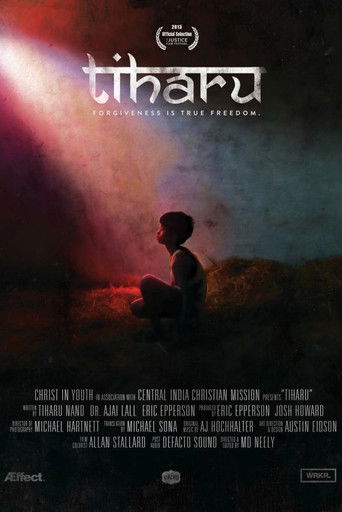
08 Jun 2013
It is quickly becoming the most populated country in the world, but India holds a dark secret. Men and women who make their homes in the poor villages throughout the central region of the country are forced to make decisions that no parents should ever have to make. Sell a child into slavery or watch your children starve to death.
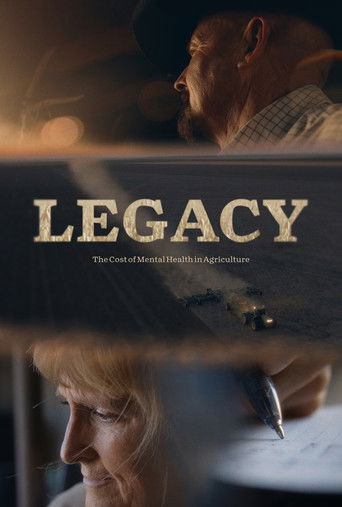
19 Sep 2024
Is there a mental health crisis in agriculture in Colorado? Farming and ranching has become increasingly difficult over the years. An industry that is typically viewed as romantic, hardworking, and "salt-of-the earth" is actually a job full of tremendous stress outside of anyone's control. Combine that with the enormous generational pressure to continue the family farm, and you have a large group of people that are suffering silently. How do we take care of those that are taking care of us?