29 Dec 2022

Les Héros de notre enfance
No overview found

DON'T BE AFRAID!
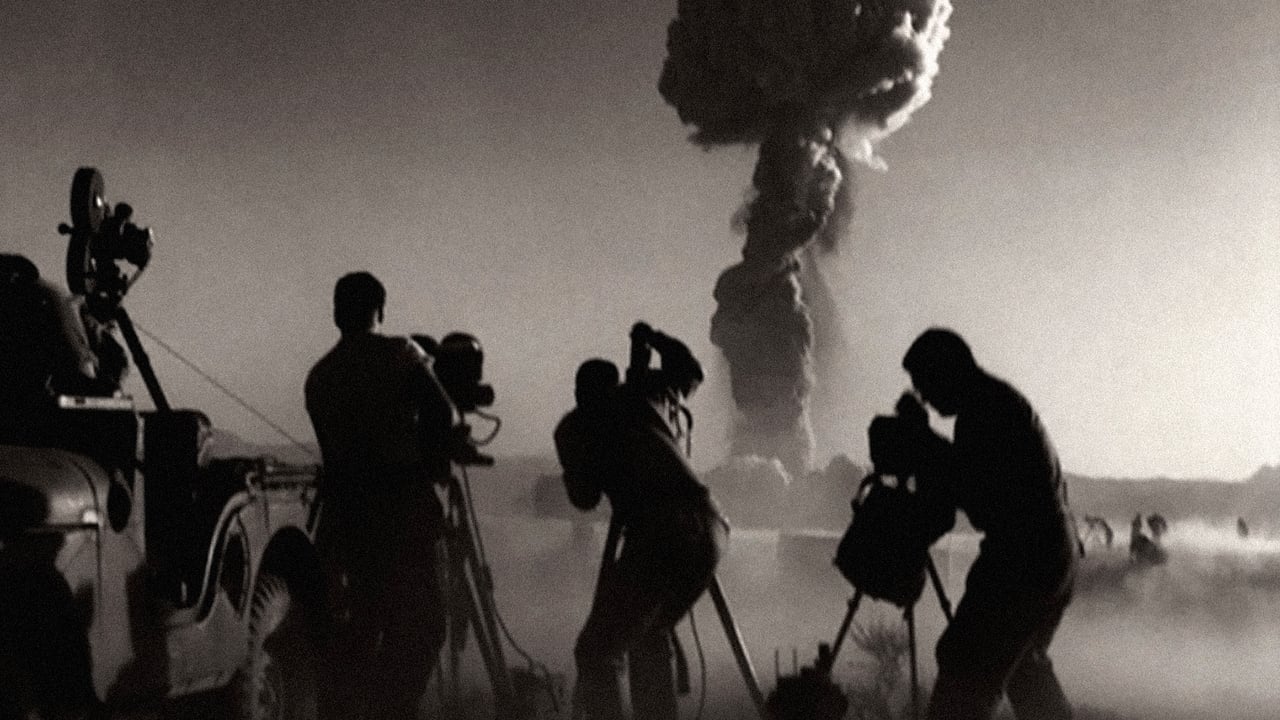
Using only archive film and a new musical score by the band Mogwai, Mark Cousins presents an impressionistic kaleidoscope of our nuclear times – protest marches, Cold War sabre-rattling, Chernobyl and Fukishima – but also the sublime beauty of the atomic world, and how x-rays and MRI scans have improved human lives. The nuclear age has been a nightmare, but dreamlike too.

29 Dec 2022

No overview found

01 Apr 1980

Farmers and parents of young children, who live in the Harrisburg, Pa., area, discuss their fears of radioactive contamination from the Three Mile Island nuclear reactor accident in 1979. Scientists and physicians also expound on the lethal dangers of nuclear power and the risks in containment processes.
10 Mar 1980
About the question of whether we should proceed in developing and using nuclear power and the breakdown at Three Mile Island, Harrisburg, Pennsylvania, in March 28, 1979.

10 Jan 2016

A crash course in the professional and scientific work related to the field of venomous herpetology. The film covers diverse topics, including biochemistry, biology, law and public policy, conservation, venom collection, animal husbandry, antivenom production, emergency medicine, veterinary medicine, toxicology and toxinology. The film follows the personal and working lives of prominent experts in the field, beginning with their childhood interest through their professional careers, with particular emphasis on the sciences related to their work.

18 Jan 2024

With the Doomsday Clock the closest it's ever been to midnight, Jane Corbin investigates the proliferation of nuclear weapons across the globe. She visits Los Alamos, home to the United States’ nuclear weapons development facility and the historic home of Oppenheimer’s Manhattan Project. In Scotland, she reveals the strategy behind Britain’s nuclear deterrent, and speaks to campaigners in Suffolk fighting against US weapons they fear will be based on UK soil. Jane also discovers how many of the global agreements and safeguards that have constrained the spread of nuclear weapons since the 1970s are breaking down. This is a story told by the scientists, investigators and diplomats who set the clock and have fought to ensure that the ultimate deterrent has not been used in over 70 years.

05 Feb 2025

The 1977 discovery of RNA splicing by Dr. Phillip A. Sharp, Kentucky farm boy turned Nobel-prize winning scientist, set the stage for a revolution in molecular biology, enabling research into a new class of medicines predicated on recombinant DNA techniques ranging from the development of synthetic insulin and human growth hormone to the COVID-19 vaccine.
07 Mar 1990
Portrait of Hermann Heinzel.

02 Sep 1938

A variety of scientific subjects, including the laboratory of a plastic surgeon in London, and his method for applying permanent makeup; a new school for kiddies employing finger paint so they can express their urge to put things on paper; Army aviation, showing the latest development in blind landing. Produced in Cinecolor.

06 Sep 1996

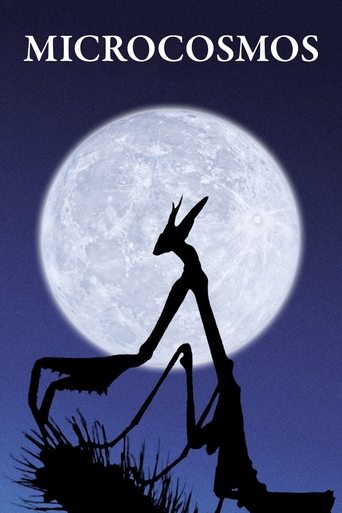
A documentary of insect life in meadows and ponds, using incredible close-ups, slow motion, and time-lapse photography. It includes bees collecting nectar, ladybugs eating mites, snails mating, spiders wrapping their catch, a scarab beetle relentlessly pushing its ball of dung uphill, endless lines of caterpillars, an underwater spider creating an air bubble to live in, and a mosquito hatching.
13 Aug 1960
The film discusses the evolution and potential of using light waves, particularly coherent light, for communication. It highlights the development of lasers at Bell Telephone Laboratories, explaining how they produce a highly controlled and intense beam of light that could revolutionize communication. The film emphasizes the vast possibilities of lasers, including applications in telecommunications, surgery, and exploring the universe, suggesting that this technology represents a significant step in humanity's understanding and use of light.

09 Jan 2006

In this two-part Channel 4 series, Professor Richard Dawkins challenges what he describes as 'a process of non-thinking called faith'. He describes his astonishment that, at the start of the 21st century, religious faith is gaining ground in the face of rational, scientific truth. Science, based on scepticism, investigation and evidence, must continuously test its own concepts and claims. Faith, by definition, defies evidence: it is untested and unshakeable, and is therefore in direct contradiction with science. In addition, though religions preach morality, peace and hope, in fact, says Dawkins, they bring intolerance, violence and destruction. The growth of extreme fundamentalism in so many religions across the world not only endangers humanity but, he argues, is in conflict with the trend over thousands of years of history for humanity to progress to become more enlightened and more tolerant.
20 Apr 2010

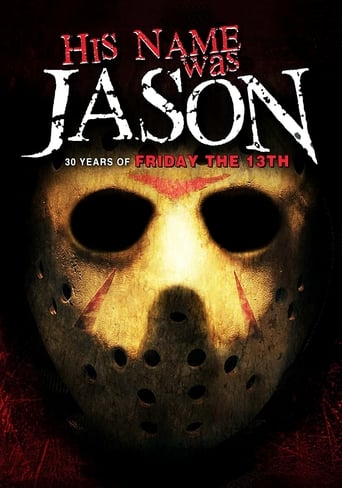
A retrospective documentary about the groundbreaking horror series, Friday the 13th, featuring interviews with cast and crew from the twelve films spanning 3 decades.

20 May 2017

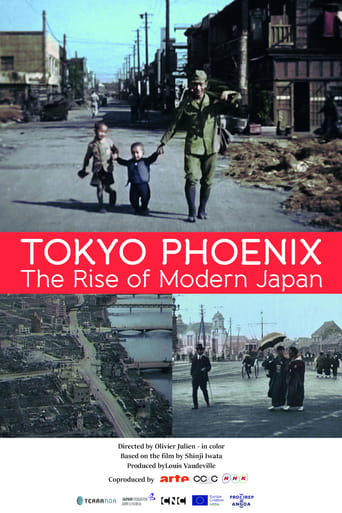
In 150 years, twice marked by total destruction —a terrible earthquake in 1923 and incendiary bombings in 1945— followed by a spectacular rebirth, Tokyo, the old city of Edo, has become the largest and most futuristic capital in the world in a transformation process fueled by the exceptional resilience of its inhabitants, and nourished by a unique phenomenon of cultural hybridization.

10 Feb 2024

The sun is the miracle that makes everything possible - but also the greatest danger. For the first time, a feature-length documentary is dedicated to the search for the significance of our home star for mankind, science and nature. Thanks to the researchers from the American space agency NASA, who work at the Canary Islands observatories in the hottest and coldest places on the planet.

17 Dec 2022

No overview found

21 Mar 2024

A team of scientists search for the lost island of Testerep in front of the Belgian coast, venturing into artificial landscapes and virtual realities.

23 Jan 1971

This 1971 color anti-drug use and abuse film was produced by Concept Films and directed by Brian Kellman for Encyclopedia Britannica. “Weed: The Story of Marijuana” combines time-lapse, montage, illustrations, animation (by Paul Fierlinger and emigre Pavel Vošický) and dramatized, documentary-style interviews to survey the evolving role of cannabis in U.S. society, with emphasis on the legal risks faced by young people. A unique score of experimental synthesizer music is provided by Tony Luisi on an EMS VCS 3 “Putney”

24 Feb 1931

An educational film about frogs produced by Encyclopædia Britannica Films, an educational film production company in the 20th century owned by Encyclopædia Britannica Inc.

04 Mar 2024

The Estonian national team is the first Baltic team to participate in the Bridgestone World Solar Challenge, the solar car world championship in Australia. This is a competition with a 35-year history, which has been launched to push the boundaries of both green technology and the capabilities of young talents. The documentary follows young Estonian engineers and software developers and tells the story through their eyes of how the solar car is developed, built and prepared for the challenge in one of the most complex competitions in the world. Young people have to face tough competition conditions, technical and mental challenges and competitors from the world's top universities.

29 Sep 1995

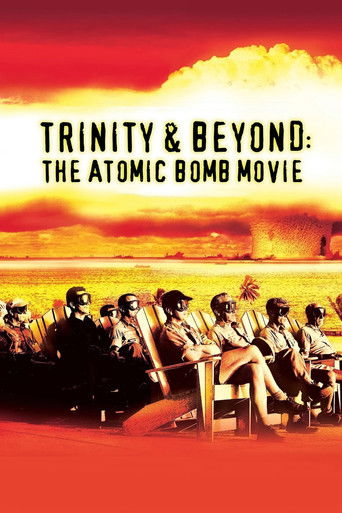
"Trinity and Beyond" is an unsettling yet visually fascinating documentary presenting the history of nuclear weapons development and testing between 1945-1963. Narrated by William Shatner and featuring an original score performed by the Moscow Symphony Orchestra, this award-winning documentary reveals previously unreleased and classified government footage from several countries.