01 Jan 1995
Akademija the Republic
Akademija Republika shows a group of people gathered around the club from 1981 until 1995 and how it changed and influenced the cultural and night life around them.

A loving portrait of a pirate radio stations, which is run by the rural population with plenty of passion and talent in the face of opposition from the authorities.
01 Jan 1995
Akademija Republika shows a group of people gathered around the club from 1981 until 1995 and how it changed and influenced the cultural and night life around them.
27 Jul 2014
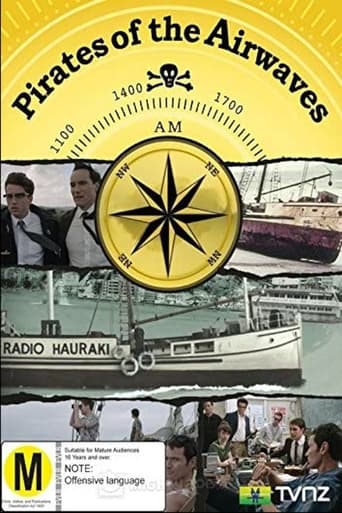
In 1966 a group of determined young men defied the New Zealand government and launched a pirate radio station aboard a ship in the Hauraki Gulf.
11 Sep 2017
For Serbian filmmaker Mila Turajlic, a locked door in her mother's apartment in Belgrade provides the gateway to both her remarkable family history and her country's tumultuous political inheritance.
16 Oct 2021
They called it young black kids’ punk rock - a genre that radio stations wouldn’t play and records that labels refused to sell. But grime would not be stopped. With machine-gun lyrics that shred the eardrums and syncopated electronics that pound the chest like a sledgehammer, grime was a product of social unrest, urban culture and disenfranchised youth colliding in early 2000s UK. It didn’t just rouse a grassroots audience, however. Today, grime is surging in popularity all over the globe and widely influencing the music charts. This is the story of the genre’s roots.
14 Feb 1972
Godina was ordered to make a short film glorifying the army, but instead made a film about making love, not war. The censors hacked it up, but he managed to save one complete copy.
01 Jan 1968
Shot in various villages throughout Yugoslavia, this is a disturbing document of a time when people were stabbing each other with knives without any real reason. Murderers, people who witness these murders and the families of victims all talk about the senseless violence and the human condition.
16 May 1979
Zdravko Čolić is the biggest pop star in Yugoslavia. We follow him during his "Traveling Earthquake Tour", lerning who is the man behind the microphone, dancers, glittery suits... and in front of the audience.
01 May 2014
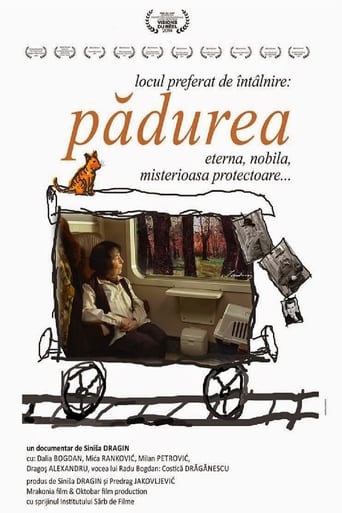
In 1947, Yugoslav President Josip Broz Tito visited, for the first time, Romania. Its communist regime gave him, as present, a painting from a great Romanian artist Ion Andeescu: 'The Leafless Forest'. In the 60s, a young art critic, Radu Bogdan, decided to elaborate a monograph dedicated to the great painter, including reproduction of the painting given to Tito. After countless problems, he obtained the permission to photograph the painting. The moment they took the painting off the wall, they found - a microphone. Somebody was spying on Tito...
31 Jan 2022
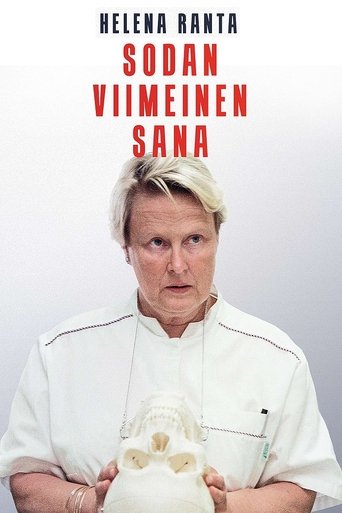
In the Kosovo War, human dignity was shattered by the terrors of the Serbian government and the Albanian liberation army. Truths about the victims’ fates faded away, which is why a Finnish forensic research group led by Helena Ranta got a mission to act as an unbiased agent and investigate the real course of events.
29 Sep 2017
Rapper Rodney P. presents the story of Britain's second wave of pirate radio DJs. In the 1980s a new generation of pirate radio stations appeared broadcasting from London tower blocks.
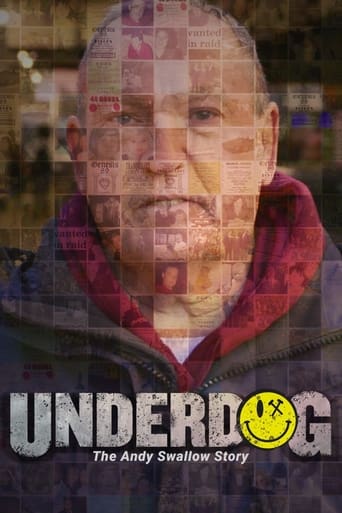
20 Aug 2024
From hooliganism and violence through to the ecstasy and the rise of rave culture, Andy Swallow, co-founder of West Ham's ICF and later Centreforce 883, opens up about his life for the very first time.
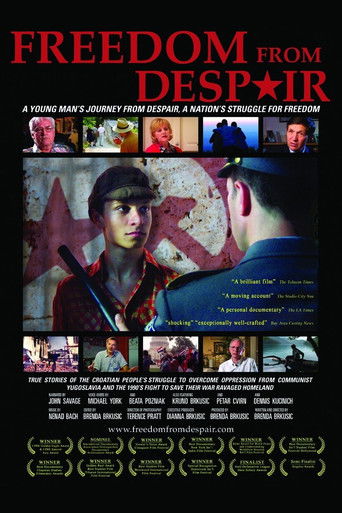
05 Oct 2004
True stories of the Croatian People's struggle to overcome oppression from communist Yugoslavia and the 1990's fight to save their war ravaged homeland.
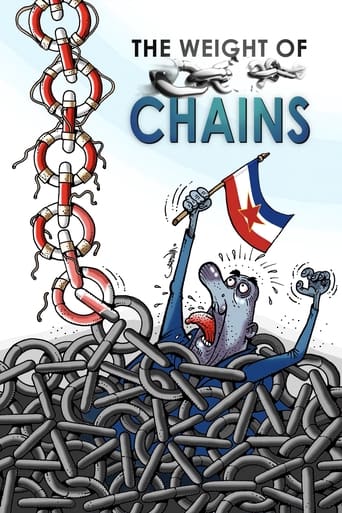
17 Dec 2010
The Weight of Chains is a Canadian documentary film that takes a critical look at the role that the US, NATO and the EU played in the tragic breakup of a once peaceful and prosperous European state - Yugoslavia. The film, bursting with rare stock footage never before seen by Western audiences, is a creative first-hand look at why the West intervened in the Yugoslav conflict, with an impressive roster of interviews with academics, diplomats, media personalities and ordinary citizens of the former Yugoslav republics. This film also presents positive stories from the Yugoslav wars - people helping each other regardless of their ethnic background, stories of bravery and self-sacrifice.
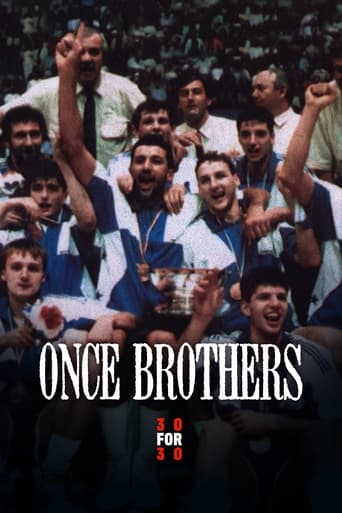
12 Oct 2010
Drazen Petrovic and Vlade Divac were two friends who grew up together sharing the common bond of basketball. Together, they lifted the Yugoslavian National team to unimaginable heights. After conquering Europe, they both went to USA where they became the first two foreign players to attain NBA stardom. But with the fall of the Soviet Union on Christmas Day 1991, Yugoslavia split up. A war broke out between Petrovic's Croatia and Divac's Serbia. Long buried ethnic tensions surfaced. And these two men, once brothers, were now on opposite sides of a deadly civil war. As Petrovic and Divac continued to face each other on the basketball courts of the NBA, no words passed between the two. Then, on the fateful night of June 7, 1993, Drazen Petrovic was killed in an auto accident. This film will tell the gripping tale of these men, how circumstances beyond their control tore them apart, and whether Divac has ever come to terms with the death of a friend before they had a chance to reconcile.
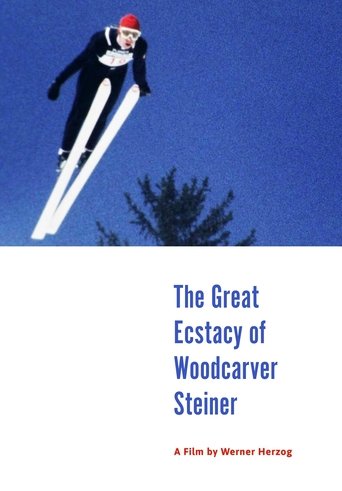
01 Jan 1974
A study of the psychology of a champion ski-flyer, whose full-time occupation is carpentry.
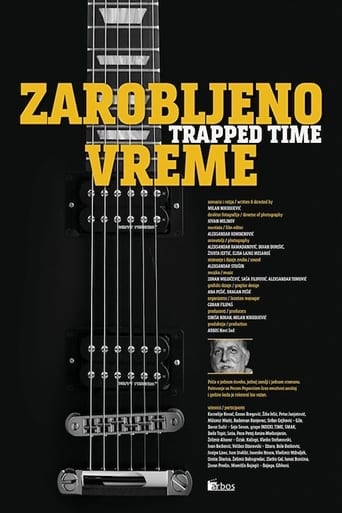
06 Nov 2017
Petar Peca Popović is one of the greatest, most famous, most authoritative and for sure, the best, connoisseur of Rock and Roll in the former Yugoslavia. He promoted Rock and Roll in those heroic times. We are going on a peculiar kind of trip with him, along an "emotional homeland", of ex-Yu, "searching for the lost times" and dear friends, the most significant representatives of this culture - rock'n'roll legends.
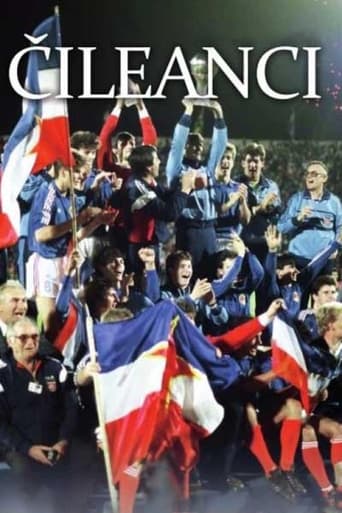
18 Oct 2017
The story of the Yugoslavian football team who became youth world champions in Chile, 1987.
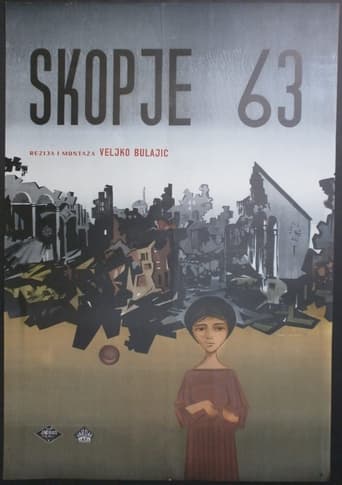
12 Mar 1964
"Skoplje '63" is a 1964 Yugoslavian documentary film directed by Veljko Bulajić about the 1963 Skopje earthquake (Skoplje, per film title, is the Serbo-Croatian spelling of Skopje). The filming started three days after the earthquake and lasted for four months. After that, Bulajić spent 12 months editing the footage at Jadran Film studios.

01 Jan 2013
TV documentary about the Mexican music craze in the communist Yugoslavia.

10 Jan 1972
A documentary following Yugoslav migrant workers on special trains to West Germany, documenting their journey and the bureaucratic realities of labor migration.