09 Sep 2010
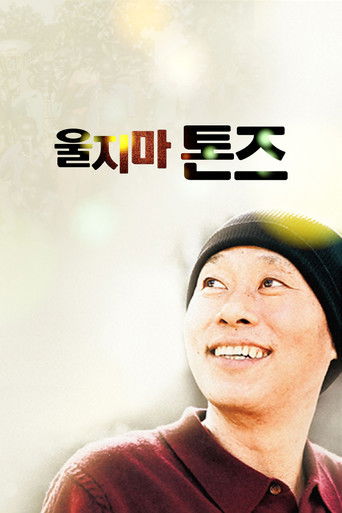
Don't Cry for Me Sudan
A Schweitzer of Korea Father LEE Tae-seok, devoted his life in Sudan; a remote area of Africa.
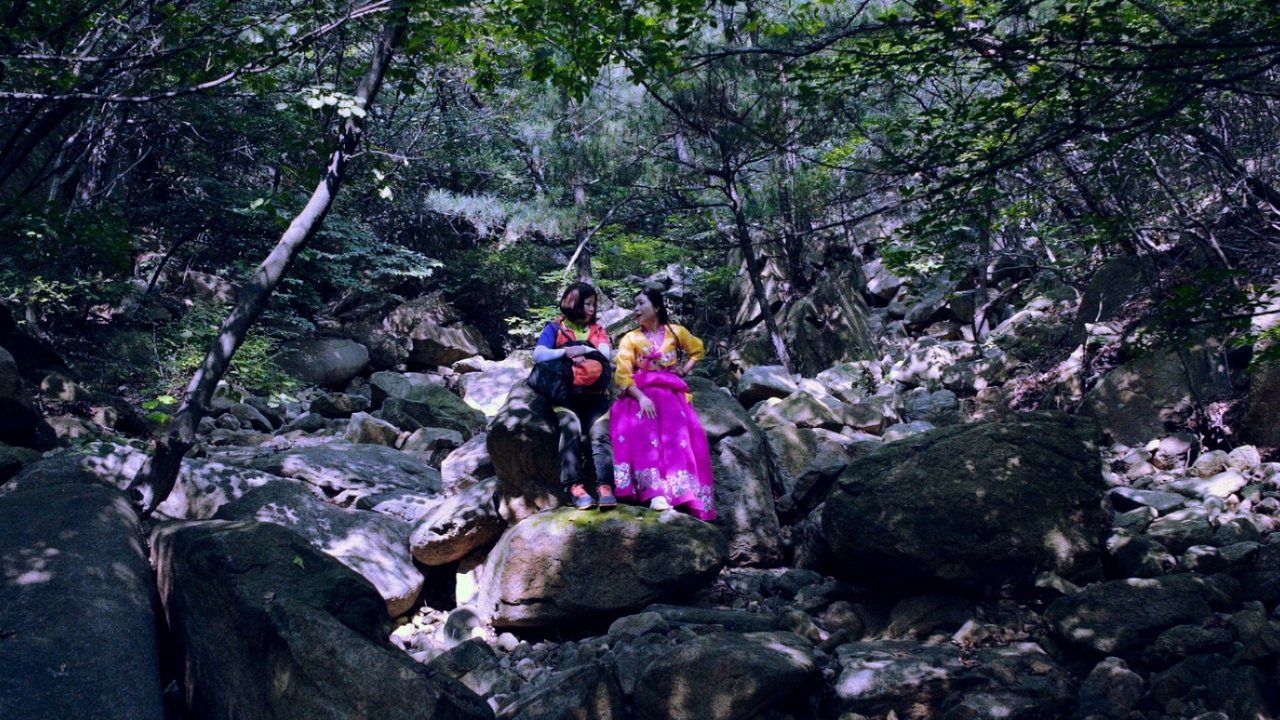
A group of women climbs a summer mountain situated in South Korea. They are refugees who have settled into South Korean society after fleeing from North Korea. For them, climbing the mountains has been an unavoidable journey for survival - a matter of life and death.
09 Sep 2010
A Schweitzer of Korea Father LEE Tae-seok, devoted his life in Sudan; a remote area of Africa.
19 Jun 2025
No overview found
08 May 2025
No overview found
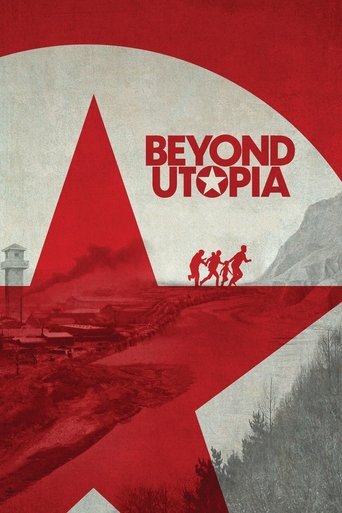
23 Oct 2023
A courageous pastor uses his underground network to rescue and aid North Korean families as they risk their lives to embrace freedom.
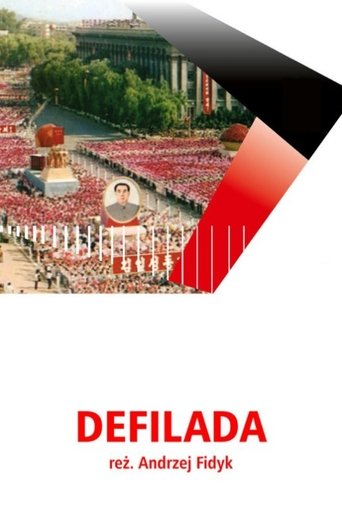
01 May 1989
Defilada was made on the occasion of the 40th anniversary celebrations of state's founding in North Korea, which the regime intended to use to eclipse the 1988 Summer Olympics taking place that year in Seoul, South Korea. The North Korean regime invited filmmakers from countries then considered friendly (read: Communist), including People's Republic of Poland, which sent a team under Andrzej Fidyk. The documentary is primarily composed of declarative statements, as well as texts of North Korean newspapers and books. There was no author's commentary. Fidyk commented that he and his team were likely “the most disciplined” foreign team of filmmakers in North Korea, as they did not trouble the regime by looking under the surface - they were content with what they were given and asked to do. (Wikipedia)
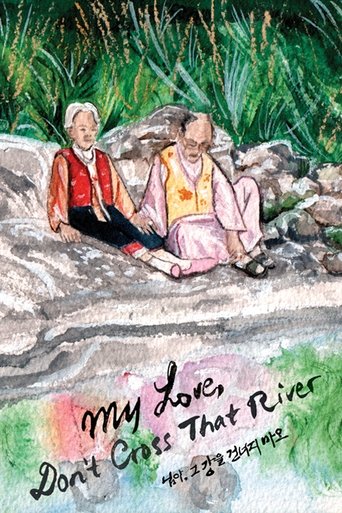
27 Nov 2014
There lives a couple known as "100-year-old lovebirds". They're like fairy tale characters: the husband is strong like a woodman, and the wife is full of charms like a princess. They dearly love each other, wear Korean traditional clothes together, and still fall asleep hand in hand. However, death, quietly and like a thief, sits between them. This film starts from that moment, and follows the last moments of 76 years of their marriage.

17 Jul 2015
Adopted from South Korea, raised on different continents & connected through social media, Samantha & Anaïs believe that they are twin sisters separated at birth.
10 Sep 2025
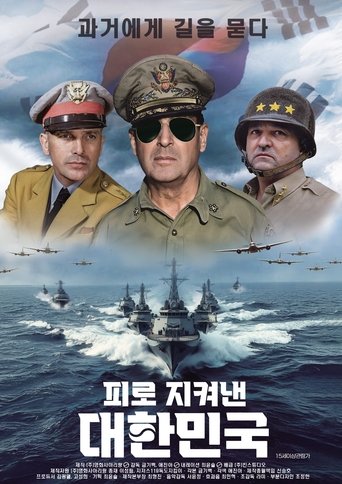
How did South Korea, after liberation in 1945 defend liberal democracy against leftist and communist forces? The door to that secret is now revealed.
05 Jan 1994
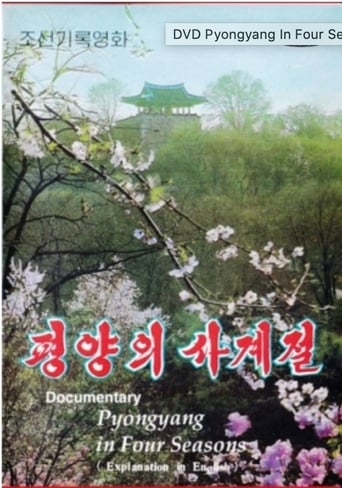
Pyongyang, a city full of happy people and flowers. A city of factories with smiling seamstresses and welders of locomotives. A city of power plants the illuminate department stores offering the fruits of the labour of its workers and peasants. Everybody spends their free time in sports palaces with synchronized swimming and white doves, or in the palace of cultures, where young pioneers play the accordion. Old men and women go on walks and young lovers rent boats by the river, above which arches a rainbow, a symbol of happiness and contentment.

11 Jun 2020
A contemporary history of Korea(s) from a unique point of view that embraces the inner history of both South and North Korea in a single narrative.
16 Oct 2025
No overview found

30 Jan 2018
At the turn of the 19th and 20th century Finnish philologist G. J. Ramstedt travelled around Mongolia and Central-Asia. In this documentary Ramstedt’s memoirs are heard in the modern day setting, where tradition is replaced with hunger for money, and deserts give way to cities.
05 Sep 2013
Interpreting an event of ROKS Cheonan corvette, torpedoed and sunken by North Korea, this documentary rebuilds the event with a different insight. No one can tell if the investigation of Cheonan has reached compelling conclusion. But the film tells and reveals how unreasonable Korean society is.
03 Jul 2008
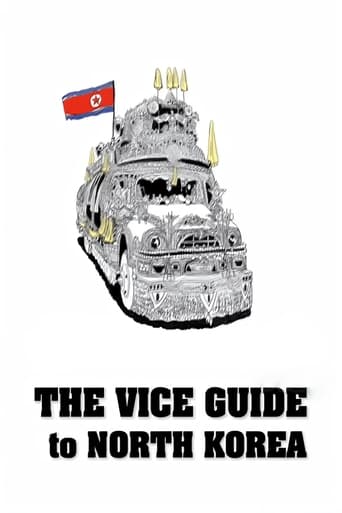
"Getting into North Korea was one of the hardest and weirdest processes VBS has ever dealt with. They finally said, “OK, OK, you can come. But only as tourists.” At the airport, the North Korean consulate brought us to a restaurant and these women came out and started singing North Korean nationalist songs. We were thinking, “Look, we were just on a plane for 20 hours. Can we just go to bed?” but this guy with our group who was from the LA Times told us, “Everyone in here besides us is secret police. If you don’t act excited then you’re not going to get your visa. So we got drunk and jumped up onstage and sang songs with the girls. The next day we got our visas. A lot of people we had gone with didn’t get theirs. That was our first hint at just what a freaky, freaky trip we were embarking on…" -VICE Founder Shane Smith
10 Jun 2018
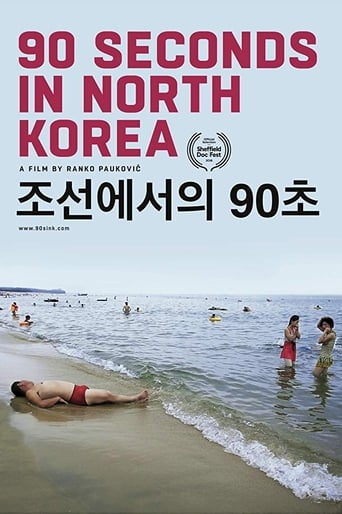
No warheads, no jackbooted soldiers, no statues of the god-emperor – instead, this is a poetic, evocative snapshot of everyday life in North Korea, the country ruled by the world’s most paranoid and secretive regime.
13 Nov 2024
No overview found
20 Apr 2008
Korea is a divided nation. Filmmaker Min Sook Lee sets out on a revelatory, emotion-charged journey into Korea’s broken heart, exploring the rhetoric and realism of reunification through the extraordinary stories of ordinary people.
19 Jun 2024
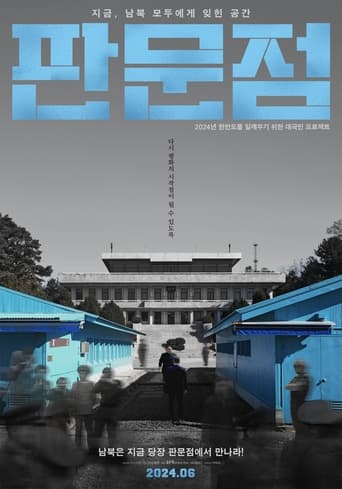
One year after the Korean War, the conflict had reached a stalemate. The two opposing forces began to search for a way to end the grueling war of attrition, eventually settling on a modest village called ‘Pan Mun Jom’ near Gaeseong as the designated site for negotiations. Despite initial hopes for a quick resolution, the negotiating parties encountered obstacles that prevented an agreement. Disputes over the military demarcation line and the repatriation of prisoners of war thwarted their efforts. The film peels back the layers to reveal the untold story of Pan Mun Jom, shedding light on a history that has remained hidden until now.
02 Mar 2012
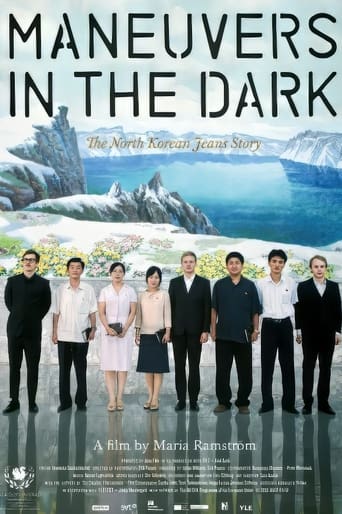
Maneuvers in the Dark is the story of how three young Swedish entrepreneurs manage to sneak through the backdoor of North Korea in an attempt to produce jeans in the country, and of the spiraling repercussions that follow as they begin to trade with the worlds most sealed dictatorship.
23 Jan 2006
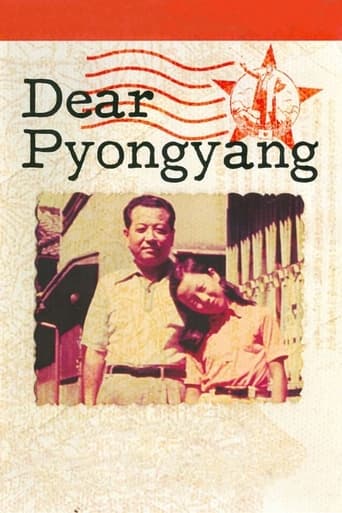
Dear Pyongyang is a documentary film by Zainichi Korean director Yang Yong-hi (Korean: 양영희, Hanja: 梁英姬) about her own family. It was shot in Osaka Japan (Yang's hometown) and Pyongyang, North Korea, In the 1970s, Yang's father, an ardent communist and leader of the pro-North movement in Japan, sent his three sons from Japan to North Korea under a repatriation campaign sponsored by ethnic activist organisation and de facto North Korean embassy Chongryon; as the only daughter, Yang herself remained in Japan. However, as the economic situation in the North deteriorated, the brothers became increasingly dependent for survival on the care packages sent by their parents. The film shows Yang's visits to her brothers in Pyongyang, as well as conversations with her father about his ideological faith and his regrets over breaking up his family.