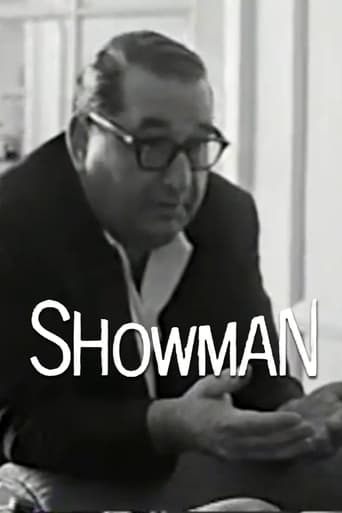
02 Jan 1963
Showman
Albert and David Maysles (Gimme Shelter) directed this 53-minute documentary about movie tycoon Joseph E. Levine (1963). Preserved by the Academy Film Archive in 2012.
"Whereas SQUARE INCH FIELD was composed largely in the camera, Rimmer's next film, MIGRATION, made full use of rear-projection rephotography, stop-framing, and slow motion. The migration of the title is interpreted as the flight of a ghost bird through aeons of space/time, through the micro-macro universe, through a myriad of complex realities. A seagull is seen flying gracefully in slow motion against a grainy green sky; suddenly the frame stops, warps and burns, as though caught in the gate of the projector. Now begins an alternation of fast and slow sequences in which the bird flies through time-lapse clouds and fog and, in a stroboscopic crescendo, hurtles into the sun's corona. Successive movements of the film develop rhythmic, organic counterpoints in which cosmic transformations send jelly fish into the sky and ocean waves into the sun." - Gene Youngblood. Preserved by the Academy Film Archive in 2014.
02 Jan 1963
Albert and David Maysles (Gimme Shelter) directed this 53-minute documentary about movie tycoon Joseph E. Levine (1963). Preserved by the Academy Film Archive in 2012.
01 Jan 1972
Documentarian Jon Boorstin follows architect Frank Gehry and his sister, Doreen Gehry Nelson, as they attempt a new method of teaching elementary school children in Los Angeles. With funding from the National Endowment for the Arts, the siblings work together on a pilot program of “design-based learning” that would restructure the typical classroom curriculum, replacing rote math or civics lessons with an imaginary city designed and built entirely by the students themselves. Restored in 2018 by the Academy Film Archive.
01 Jan 1970
A portrait of three Los Angeles area residents who create things with their hands. Angelo Austin decorates wedding cakes; Dean Jeffries designs, manufactures, and paints custom cars; and Pamela Weir-Quiton creates wooden dolls. Restored by the Academy Film Archive in 2016.
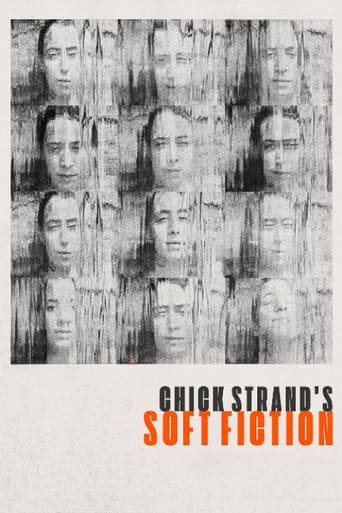
16 Nov 1979
Chick Strand's SOFT FICTION is a personal documentary that brilliantly portrays the survival power of female sensuality. It combines the documentary approach with a sensuous lyrical expressionism. Strand focuses her camera on people talking about their own experience, capturing subtle nuances in facial expressions and gestures that are rarely seen in cinema. Preserved by the Academy Film Archive in partnership with The Film Foundation in 2015.
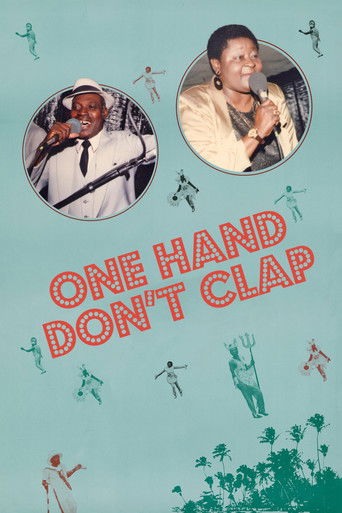
28 Aug 1991
Kavery Kaul’s engaging documentary traces the history of calypso and soca music from their birth in the African-East Indian traditions of Trinidad and Tobago through its worldwide diaspora, including its popularization in the 1950s by Harry Belafonte and the new independent distribution networks that arose to serve the expatriate community in the 1980s. North American restoration premiere at To Save and Project: The 19th MoMA International Festival of Film Preservation on January 27 and 31, 2023. Digital restoration by the Academy Film Archive and the Women’s Film Preservation Fund of New York Women in Film & Television; courtesy of Riverfilms.
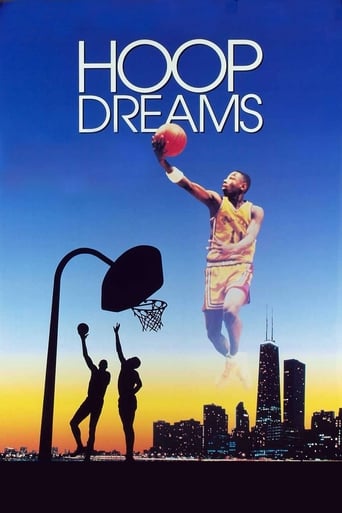
12 Sep 1994
Every school day, African-American teenagers William Gates and Arthur Agee travel 90 minutes each way from inner-city Chicago to St. Joseph High School in Westchester, Illinois, a predominately white suburban school well-known for the excellence of its basketball program. Gates and Agee dream of NBA stardom, and with the support of their close-knit families, they battle the social and physical obstacles that stand in their way. This acclaimed documentary was shot over the course of five years.

13 Jul 1950
This short focuses on the job of the costume designer in the production of motion pictures. The costume designer must design clothing that is correct for the film historically and geographically, and must be appropriate for the mood of the individual scene. We see famed costume designer Edith Head at work on a production. The Costume Designer was part of The Industry Film Project, a twelve-part series produced by the film studios and the Academy. Each series episode was produced to inform the public on a specific facet of the motion picture industry. Preserved by the Academy Film Archive in 2012.
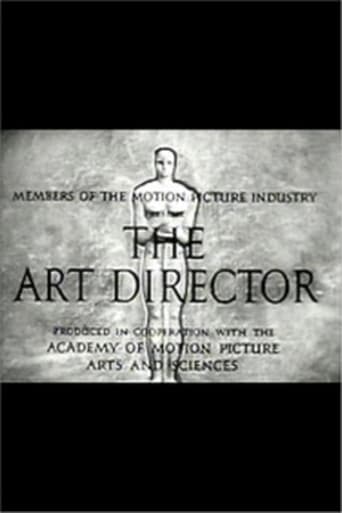
12 Nov 1949
A film's art director is in charge of the set, from conception to construction to furnishing. This short film walks the viewer through art directors' responsibilities and the demands on their talents. They read a script carefully and design a set to capture the time and place, the social strata, and the mood. They must be scholars of the history of architecture, furnishings, and fashion. They choose the colors on a set in anticipation of the lighting and the mood. Their work also sets styles, from Art Deco in the 20's to 30s modernism. Then it's on to the next project. Preserved by the Academy Film Archive in 2012.
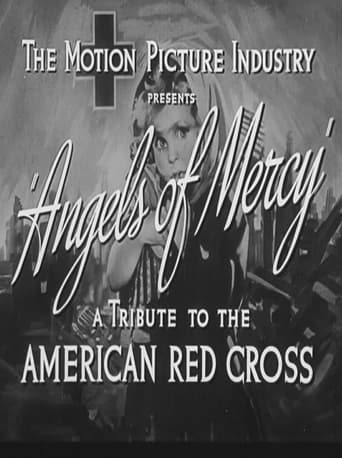
10 Nov 1940
Short film in support of the Red Cross showing civilian volunteers'work, radio and movie personalities at a fund-raising gala and encouraging recruitment. Deanna Durbin performs a song dedicated to the nurses. Preserved by the Academy Film Archive in 2012.
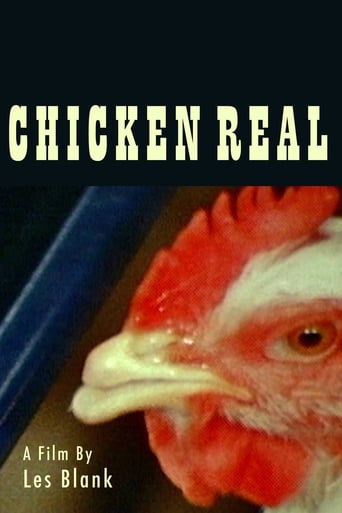
01 Jan 1970
One of Les Blank's industrial films, which follows a Holly Farms "broiler" chicken from factory incubation to the county fair barbecue pit. A hilarious, disturbing and surreal look at a large-scale chicken farm producing 156 million chickens a year! Film includes lots of chicken songs and music recorded live in the Blue Ridge Mountains of North Carolina. Preserved by the Academy Film Archive in 2013.
01 Feb 1945
Documentary short film reporting on the activities of the American Red Cross and the useage made of contributed funds for the previous year. Preserved by the Academy Film Archive in 2012.
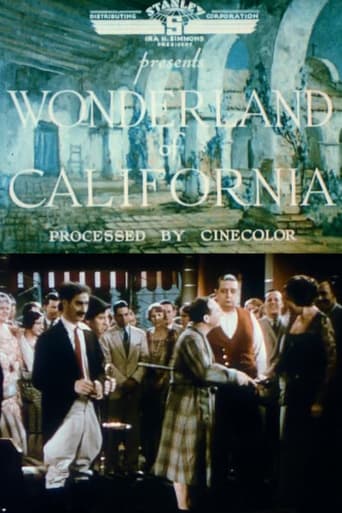
01 Jan 1933
Short film made up of various clips showcasing the Cinecolor process, including a visit to a Marx Brothers film set. Preserved by the Academy Film Archive in partnership with The Film Foundation.
01 Jan 1948
A description and enactment of the discovery of gold by James Marshall, and the role played by John Sutter. Preserved by the Academy Film Archive.
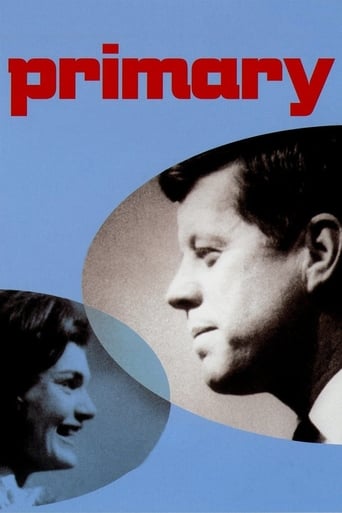
08 Nov 1960
Primary is a documentary film about the primary elections between John F. Kennedy and Hubert Humphrey in 1960. Primary is the first documentary to use light equipment in order to follow their subjects in a more intimate filmmaking style. This unconventional way of filming created a new look for documentary films where the camera’s lens was right in the middle of what ever drama was occurring. Preserved by the Academy Film Archive in partnership with The Film Foundation in 1998.
07 Dec 1945
Produced by the Army Pictorial Service, Signal Corps, with the cooperation of the Army Air Forces and the United States Navy, and released by Warner Bros. for the War Activities Committee shortly after the surrender of Japan. Follow General Douglas MacArthur and his men from their exile from the Philippines in early 1942, through the signing of the instrument of surrender on the USS Missouri on September 1, 1945. Preserved by the Academy Film Archive in 2013.
09 Nov 1971
A truly major work, I Don’t Know observes the relationship between a lesbian and a transgender person who prefers to be identified somewhere in between male and female, in an expression of personal ambiguity suggested by the film’s title. This nonfiction film – an unusual, partly staged work of semi-verité – is the first of Spheeris’s films to fully embrace what would become her characteristic documentary style: probing, intimate, uncompromising. Preserved by the Academy Film Archive in 2014.

10 May 1945
Documentary short film produced by the U.S. Army, intended to enlighten the American public on the final thrust of the Allied war effort in Europe and on the plans for the return home of American forces. Preserved by the Academy Film Archive in 2008.
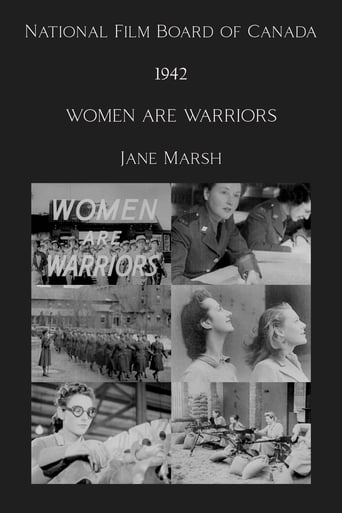
15 Jul 1942
Highlights the increasingly important roles women occupy on the various fronts of WW II. In England, their more active jobs include ferrying planes from factory to airfield and operating anti-aircraft guns. In Russia, they are fighting on the front lines as well as acting as parachute nurses, army doctors and technicians. In Canada women have joined active service auxiliaries, and thousands labour day and night in factories turning out the tools of war. From the Canada Carries On series.

23 Jan 1977
This film documents the coal miners' strike against the Brookside Mine of the Eastover Mining Company in Harlan County, Kentucky in June, 1973. Eastover's refusal to sign a contract (when the miners joined with the United Mine Workers of America) led to the strike, which lasted more than a year and included violent battles between gun-toting company thugs/scabs and the picketing miners and their supportive women-folk. Director Barbara Kopple puts the strike into perspective by giving us some background on the historical plight of the miners and some history of the UMWA. Preserved by the Academy Film Archive in partnership with New York Women in Film & Television in 2004.
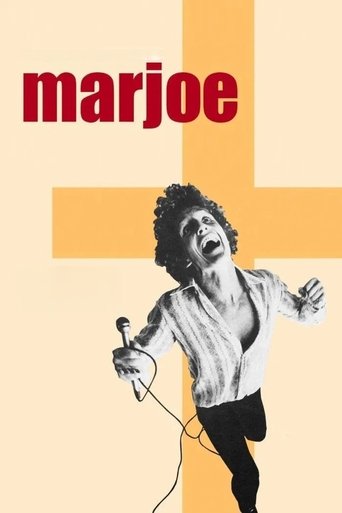
24 Jul 1972
Part documentary, part expose, this film follows one-time child evangelist Marjoe Gortner on the "church tent" Revivalist circuit, commenting on the showmanship of Evangelism and "the religion business", prior to the start of "televangelism". Preserved by the Academy Film Archive in 2005.