29 Sep 2017
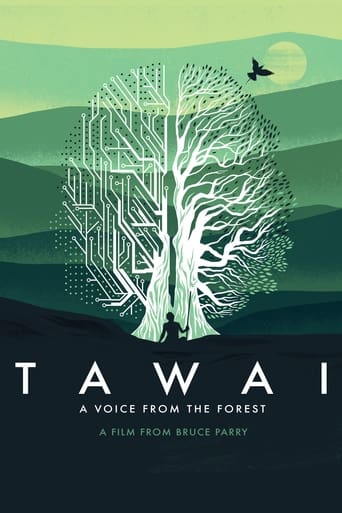
Tawai: A Voice from the Forest
Explorer Bruce Parry visits nomadic tribes in Borneo and the Amazon in hope to better understand humanity's changing relationship with the world around us.
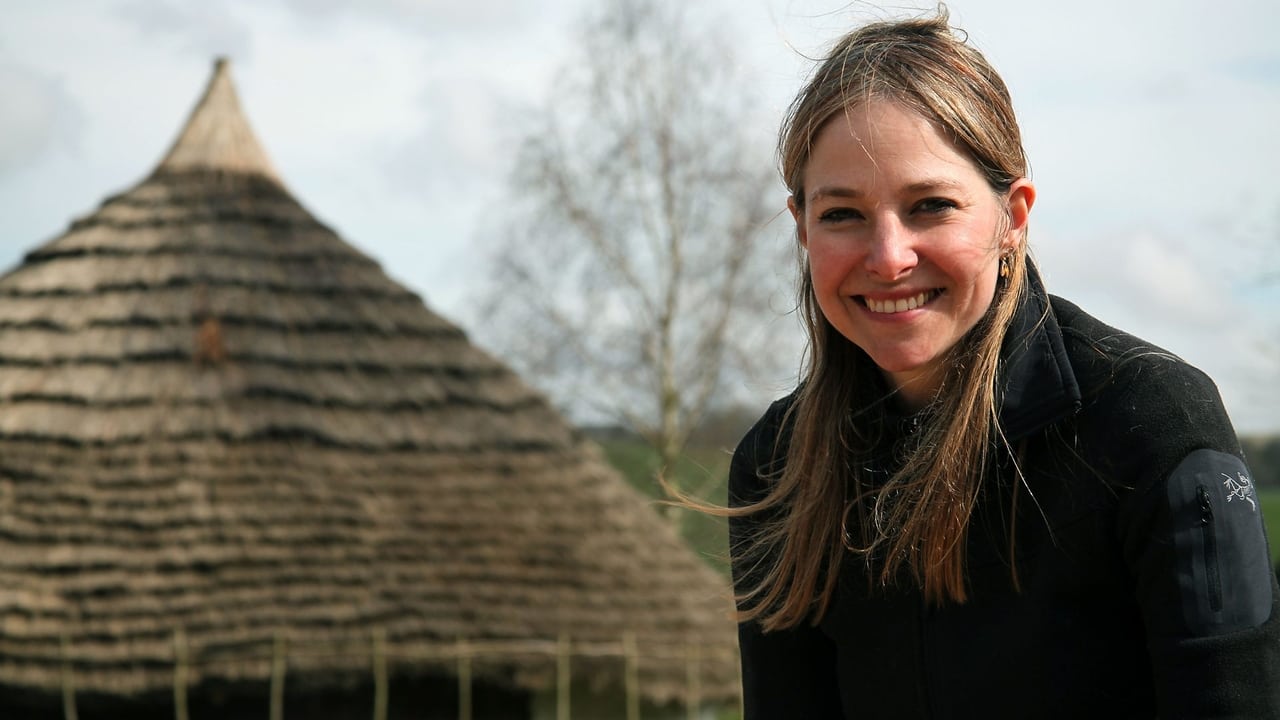
Professor Alice Roberts joins the team excavating a 3,000-year-old Bronze Age village in the Cambridgeshire Fens that's been called the 'British Pompeii' due to the remarkable levels of preservation.

Herself - Presenter
29 Sep 2017
Explorer Bruce Parry visits nomadic tribes in Borneo and the Amazon in hope to better understand humanity's changing relationship with the world around us.
24 Nov 2019
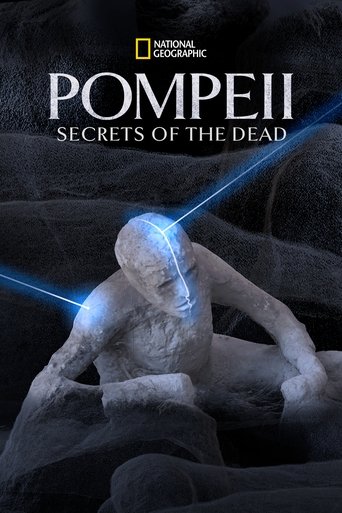
Forensic experts scan Pompeii’s victims to investigate why they didn’t escape the eruption.
27 Apr 1983
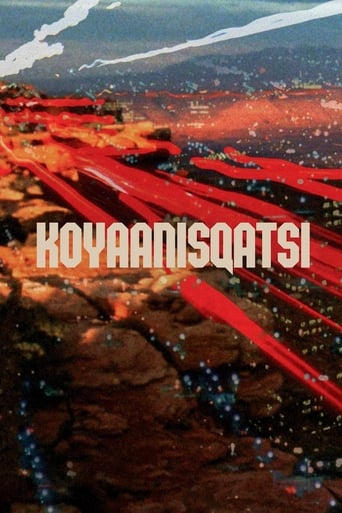
Takes us to locations all around the US and shows us the heavy toll that modern technology is having on humans and the earth. The visual tone poem contains neither dialogue nor a vocalized narration: its tone is set by the juxtaposition of images and the exceptional music by Philip Glass.
19 Mar 2020
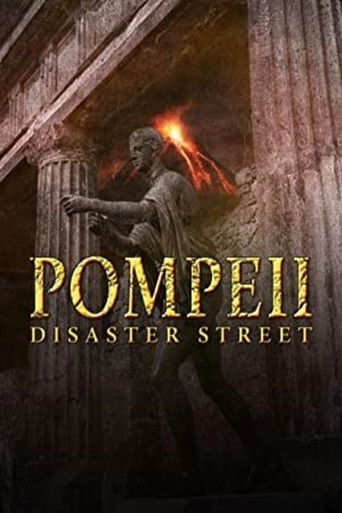
Archaeologists have just uncovered entirely new areas and villas in ancient Pompeii… the first excavation there in 70 years. Get exclusive access to the dig and see how new artifacts and new DNA science are changing history. And through the use of sophisticated Hollywood production techniques and reenactments, discover the real stories of what happened to the unfortunate souls who didn’t escape to the city gates. This is the devastating account of the final hours of that fateful day in October 79AD.
21 Feb 2020
No overview found
25 Oct 1972
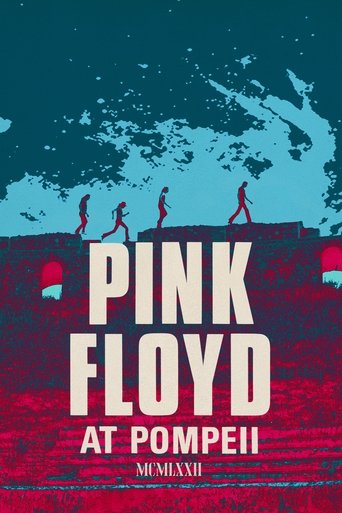
British progressive rock band Pink Floyd perform at the ancient Roman Amphitheater in the ruins of Pompeii, Italy in 1971. Although the band perform a typical live set from the era, there is no audience beyond the basic film crew.
31 Mar 1993
Four nights in Caracas. A documentary essay about chaos and civilization.
07 Sep 2011
A documentary film about Syria with its diverse civilizations and history. Where the hero of the film gets lost between his questions about history, culture, and identity, and his attempts to see the story of Syrian history. In the film, the narrator takes us on a journey through Syrian history that diversifies into five basic civilizational shifts, from the agricultural revolution to writing and the emergence of cities to trade until the advent of Christianity and up to the cultural achievement of Islamic civilization.
01 Jan 2011
The causes underlying the collapse of civilizations are usually traced to overuse of resources. As we write this, the world is reeling from economic chaos, peak oil, climate change, environmental degradation, and political turmoil. Every day, the headlines re-hash stories of scandal and betrayal of the public trust. We don't have to make outraged demands for the end of the current global system - it seems to be coming apart already. But acts of courage, compassion and altruism abound, even in the most damaged places. By documenting the resilience of the people hit hardest by war and repression, and the heroism of those coming forward to confront the crisis head-on, END:CIV illuminates a way out of this all-consuming madness and into a saner future. Backed by Jensen's narrative, the film calls on us to act as if we truly love this land. The film trips along at a brisk pace, using music... Written by Franklin Lopez
08 May 2008
The History of the Devil charts the evolution the idea of a supreme embodiment of evil from the time of the ancient gods to the present day. This critical analysis provides insightful and structured analysis of the origins of Devil and the way in which it has been used over the centuries.

11 Mar 2022
Over 3,500 years ago, the powerful Shang Dynasty emerged from the Central Chinese plains. Their armies were led by a fierce and brilliant young general - her name was Fu Hao.

12 Mar 1929
An impression of the state of the world in 1929, contrasting similarities and differences in religion, customs, art and entertainment from all over the world. The film is constructed like a symphony.
29 Aug 2023
No overview found
13 Apr 2002
On the 24th August 79 AD, the eruption of Vesuvius eradicated the cities of Pompeii and Herculaneum. This extraordinary film uses visual effects and archaeological findings to chronicle the last 24 hours of Pompeii. Remains of 300 citizens trapped in beach-side crypts allow scientists to reconstruct local life in the First Century after Christ. Computer graphics recreate the scale of the eruption.
20 Oct 2003
In 79 AD, one of the infamous natural disasters in human history occurred when Mount Vesuvius erupted. With speculative dramatizations of various inhabitants' final hours along with detailed documentation of the known facts concerning the eruption, the horrific day is vividly brought to life.
One of history's most enigmatic mysteries is unraveled in this fascinating one-hour special. Stunning CGI and spectacular reconstructions reveal a picture of life in Neolithic Europe 5,000 years ago. The result is a challenging and refreshing new theory about how prehistoric ancestors came to terms with a changing world.
01 Jan 2005
At the time of Nero, the Empire is at the height of its power, but Rome, where a million inhabitants live, is afraid of its enemies, of foreigners, of barbarians. Rome is afraid of the Tyrant and of its own power. And all these fears seem to crystallize in that of fire, more than anything else feared in this megalopolis that so often catches fire. In 64 A.D. the most terrible fire that the city has ever known broke out. It is said that it was set on the orders of Nero, in order to overwhelm the Christians who were accused of it. The watchmen, Celer and Theseus, intervene at the risk of their lives. This fictional documentary tells the story of the adventures of these two "firemen" in Rome during the Empire. An astonishing journey through time, the story of the life of men: customs, family, lifestyle, politics, education, leisure.
12 Jul 2016
What life was like in the ancient Roman city of Pompeii moments before it was devastated by the eruption of Mount Vesuvius in A.D. 79.
24 Mar 2022
With an area three times larger than Pompeii, Baia, about 15 km from Naples and within the volcanic area of the Phlegraean fields, is the largest underwater archaeological site in the world. In 100 BC Pompeii is an ordinary city of small traders crouched on the slopes of Mt. Vesuvius, while Baia gains a peculiar reputation: it gradually becomes the ancient Las Vegas or Monte Carlo of the Roman Empire, a real posh center for noble gens and the powerful . Nestled in the center of the Gulf of Pozzuoli, Baia is flanked on one side by the port of Puteoli (ancient Pozzuoli) and on the other by the port of Capo Miseno.
27 Mar 2013
In a one off landmark drama documentary for BBC One, Dr Margaret Mountford presents Pompeii: The Mystery Of The People Frozen In Time.