30 Sep 1980
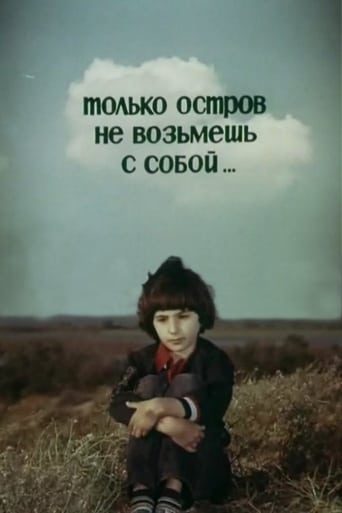
You Can't Take an Island with You
A young girl is trying to save an island which is endangered by nearby construction.
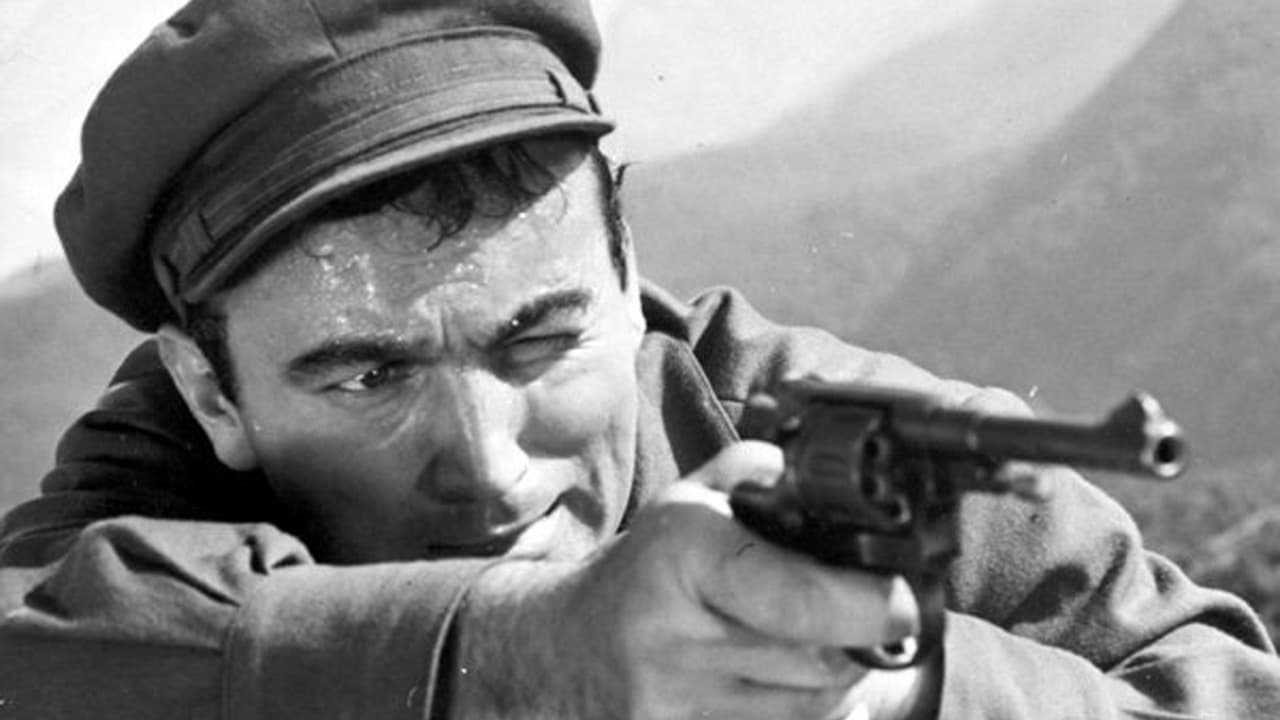
The film is about the public prosecutor who fought against the criminality but was killed by them.

Mehman
Kamilov
Murtuz Murtuzov

Zuleykha

Shahla Khanum

Zarintaj
Vahidov

Arif

Mammadkhan

Khatun
Sarrafzadeh
Altay

Yavar

Prisoner/Jabirov

Doctor
Balysh

Goja

Mirza
Solmaz

Absalam
30 Sep 1980
A young girl is trying to save an island which is endangered by nearby construction.
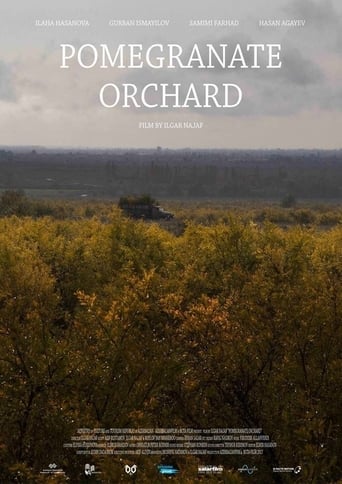
01 Jul 2017
Inspired by Anton Chekhov's The Cherry Orchard, the film follows a prodigal son who returns after 12 years. His reappearance at the family home in rural Azerbaijan significantly alters their way of life.
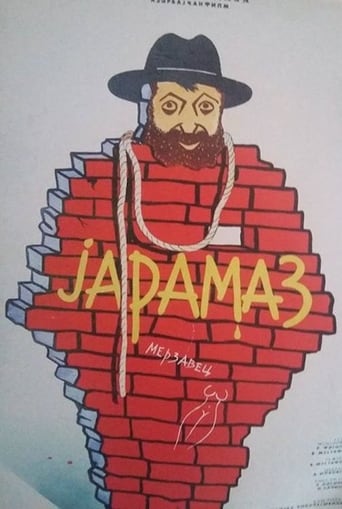
16 Jan 1989
Film exposes the corruption and the decadence of the late Soviet bureaucracy in Azerbaijan SSR through the eyes of a naive Azerbaijani adult man, Hatem.

01 Jan 1995
In a Azerbaijan, in the beginning of this century, the first films made in the history of cinema are shown.The characters meet each other in a room. Three characters who will witness the linking up of their destinies through their common love for this new captivating art.
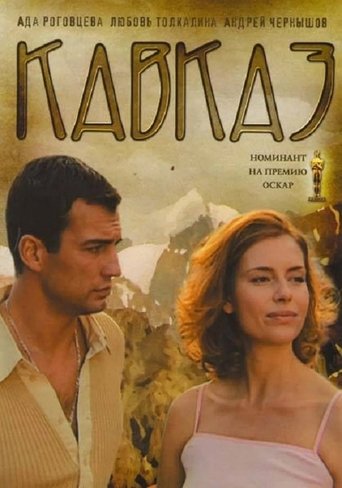
10 Aug 2007
War breaks out in the Caucasus. 75-year-old Maria loses her son in the war. She and her daughter-in-law Sofia have been living in the Caucasus for 12 years. When famine strikes, they want to move to Russia. The women decide that they must go to Moscow. Maria takes her little dog and Sofia her small suitcase, gets on the train and sets off. In the next compartment, photojournalist Alexander is also traveling. Sofia and Alexander love each other. Maria realizes at one of the stations near Volgograd that she cannot live without the Caucasus. She writes a letter to Sofia and leaves the train with her dog...
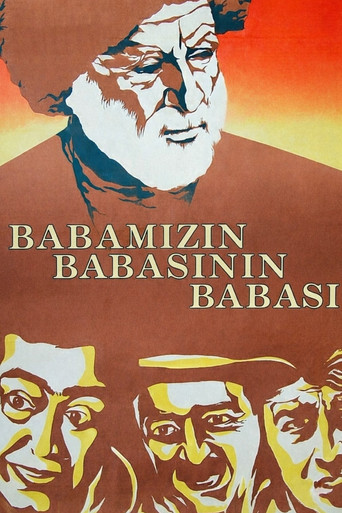
12 Feb 1981
Too old grandpa is being celebity by news maker who came from centre. But then he recollected something weird things about his missus .
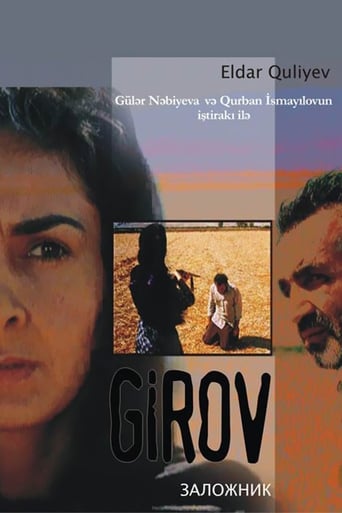
01 Jan 2006
During the late 1980s and early 1990s the Armenian minority in Nagorono-Karabakh attempted to break away from Azerbaijan, one of the former Soviet republics. Overnight these former neighbors became enemies, and simple village folk were suddenly made hostages in a complex power game. One of the Azerbaijani villages right on the border is home to the family of the peasant farmer Kerim, who has just been captured by the Armenians. The village council decides to take an Armenian in order to arrange a hostage exchange. They imprison the wounded man in the barn next to Kerim's house, where his wife and three children desperately await the husband's return. The captive from the other side of the border finds himself in exactly the same situation - he, too, has three children, he finds it hard to scrape a living together, he has never done anything to harm anyone and, like Kerim, he just wants to go back home. But life in Karabakh is far more complex now. Blood calls for blood.
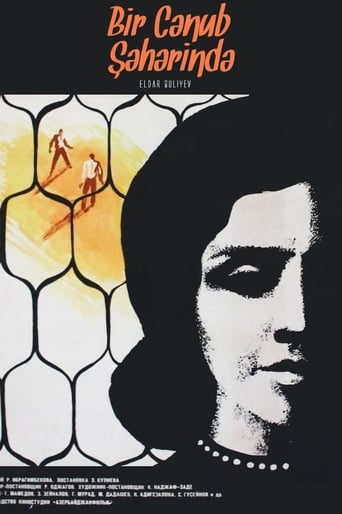
27 Jan 1969
Murad, a young man, lives by the old ethical norms that are still valid in the suburbs of his city. He had promised Tofig, his childhood friend, to give him his sister as a wife, but Tofig is in love with another girl. He forgets the promise and takes the girl home. Murad is offended. According to the code of honor, he must take revenge. One of the first films ever produced in the Soviet Union to challenge the sociopolitical establishment.
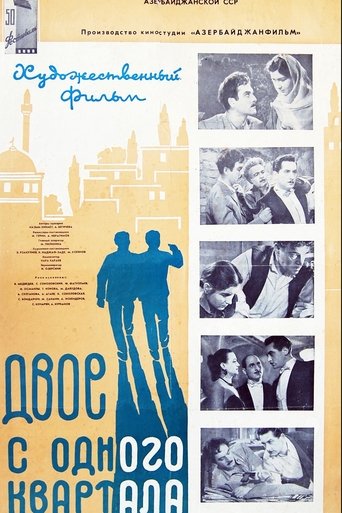
11 Feb 1957
Childhood friends Ahmet and Nuri, the sons of poor farmers, grew up together, studied together, and worked together in a factory. Together, they publish the magazine Light, which opposes the colonial policies of foreign capital and military pacts. After their first imprisonment, the friends' paths diverge: Nuri betrays his convictions and joins a reactionary newspaper. His life is now safe, but he finds no joy or peace. Meanwhile, Ahmet, having become one of the main enemies of the reactionaries, attracts more and more patriots to his side.
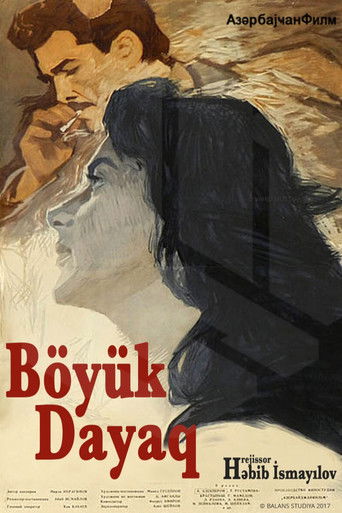
16 Dec 1962
After the novellette of the same name of M.Ibrahimov. The film is about a man who trusted his subordinates.

09 Dec 1958
The film is about the stepmother who tried to be a real mother of a boy. But she could be a real mother only after some difficult events for her and child.
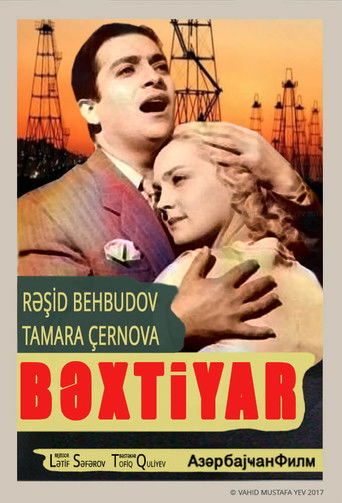
11 Dec 1955
The film is about oilman who had beautiful voice. He didn't attach great importance to his friends is advice to get special music reward. But he changed his attitude to art under the influence of his friends.

24 Oct 1989
A soldier recently returned home finds it hard to scrape by, and the girl he loved married.
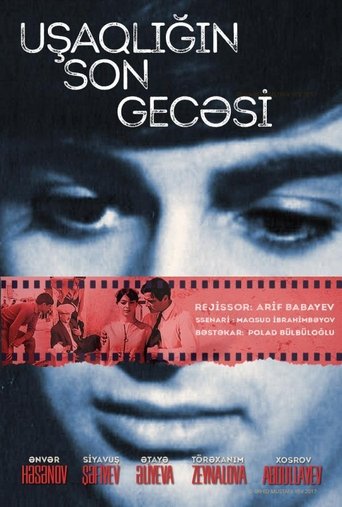
08 Dec 1968
Murad, a young man fails the entrance exam to the Institute and starts working at the meat factory. His cousin Rustam, a worker on a building site, fights with him against the dishonest people who sell pieces of meat from the factory. After a series of dramatic situations, Murad and Rustam manage to uncover the thieves.
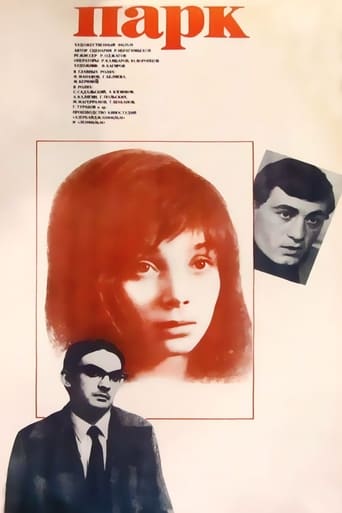
08 Jul 1984
Marat meets a girl named Vika in St. Petersburg.The girl wants Marat to take her to Baku. Marat’s love for Vika is growing day by day. The movie is about relations between Marat, Vika and his friend Mikail.

01 Jan 1996
The film is about a young woman nursing her father, when things don't go to plan.
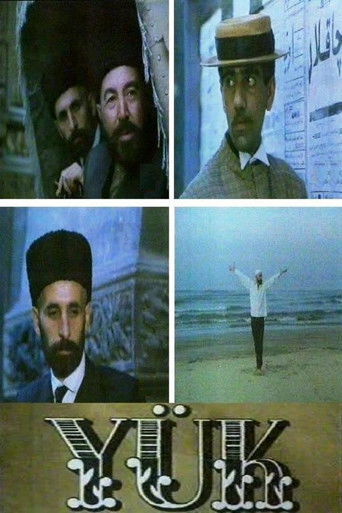
01 Jan 1995
The film is about a day of the 19th-20th century famous tycoons from Baku Agha Musa Naghiyev and Hadji Zeynalabdin Taghiyev.
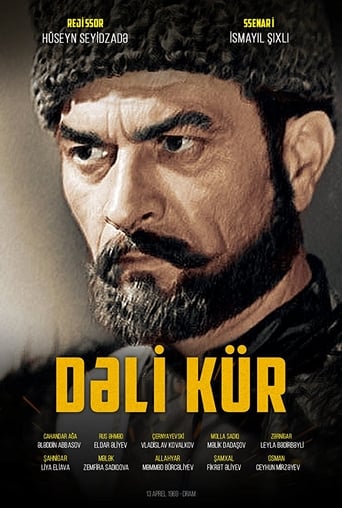
13 Apr 1969
After the novel of the same name of I.Shykhly. The film is about new intelligenzia in Azerbaijan at the beginning of the 20th century.
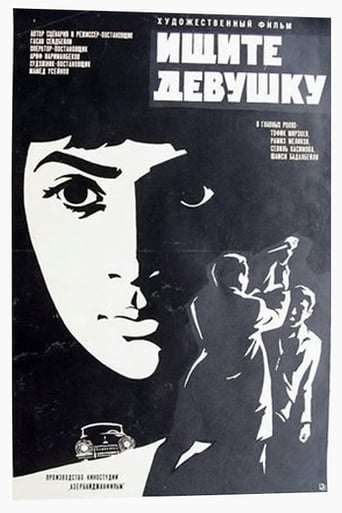
31 Mar 1970
Police are conducting a homicide investigation after man dies in car accident.
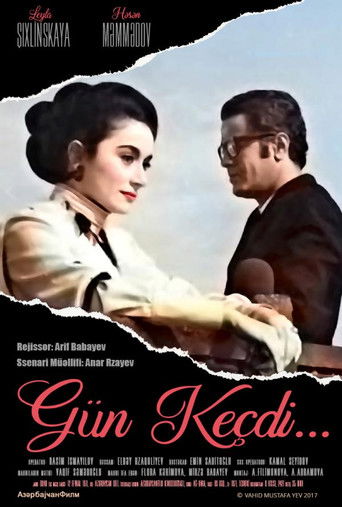
12 Feb 1971
The film is about man and woman who remembered their childhood. The film reflects atmosphere of Baku. It is an adaptation of Anar Rzayev's "Georgian surname" novel.