04 Mar 2019

The Lost Tomb of Alexander the Great
In this gripping investigation, archaeologist Pepi Papakosta is on a hunt for Alexander the Great's lost tomb, and she makes an extraordinary discovery.

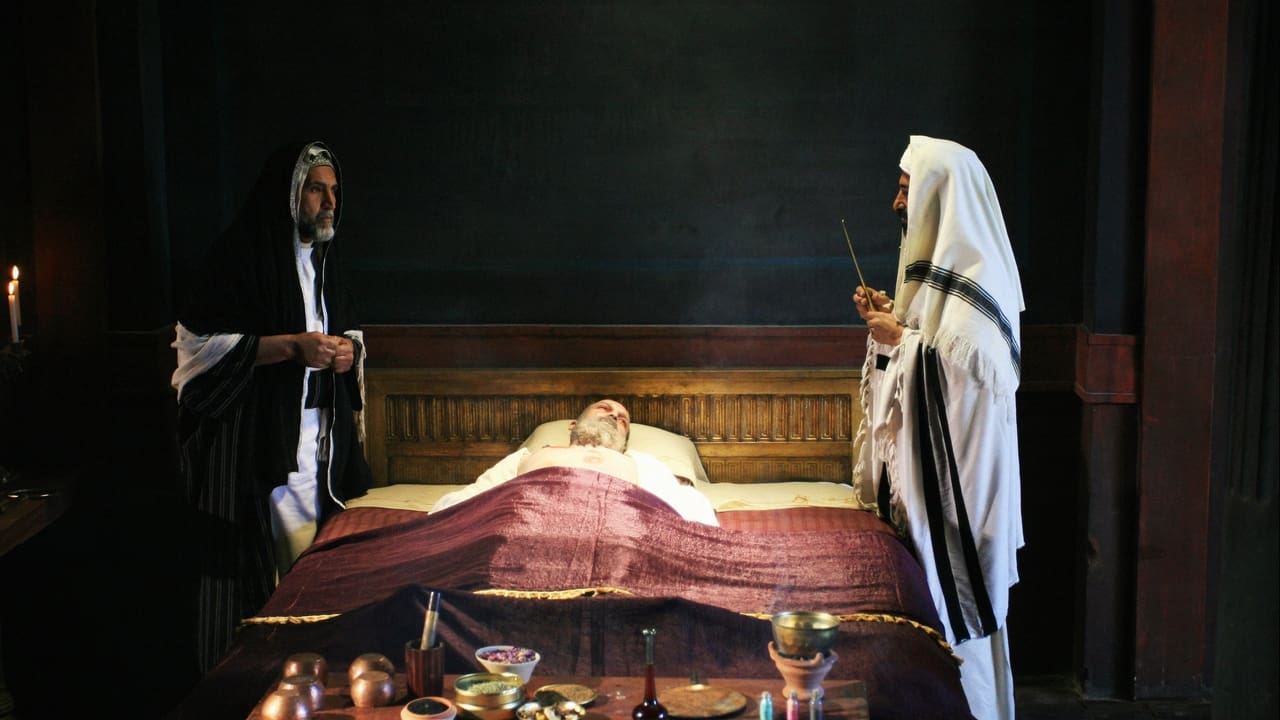
National Geographic follows archaeologist Ehud Natzer in his discovery of the tomb of Herod the Great.

Self

04 Mar 2019

In this gripping investigation, archaeologist Pepi Papakosta is on a hunt for Alexander the Great's lost tomb, and she makes an extraordinary discovery.

13 Nov 2007

Egypt's two greatest Pharaohs, Khufu and Ramesses II, built their way to immortality through architectural marvels including the temples of Abu Simbel and the Great Pyramid of Giza

28 Feb 2024

No overview found

10 Nov 2013

Terrence McNally’s Corpus Christi is a play retelling the Jesus story, with Jesus as a gay man living in the 1950s in Corpus Christi, Texas. This documentary follows the troupe, playwright, and audience around the world on a five-year journey of Terrence McNally’s passion play, where voices of protest and support collide on one of the central issues facing the LGBT community: religion.
26 Jan 2008
No overview found

05 Oct 2007

An exploration of the intersection between religion and homosexuality in the U.S. and how the religious right has used its interpretation of the Bible to stigmatize the gay community.
01 Jan 1949
No overview found

10 Aug 2010

In this hour-long documentary, Oxford academic Janina Ramirez tours the country in search of Anglo-Saxon art treasures. Her basic thesis - and it is a plausible one - is that we should not look upon their era as a "dark age" as compared, for example, to Roman times, but rather celebrate it as an age in which creativity flowered, especially in terms of artistic design as well as symbolism. She shows plenty of good examples, ranging from the Franks Casket to the Staffordshire Hoard, and the Lindisfarne Gospels.

22 Jan 1960

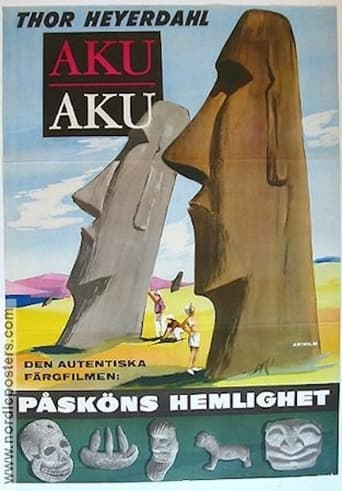
Documentary following the 1955–1956 Norwegian Archaeological Expedition's investigations of Polynesian history and culture at Easter Island.

28 Oct 2002

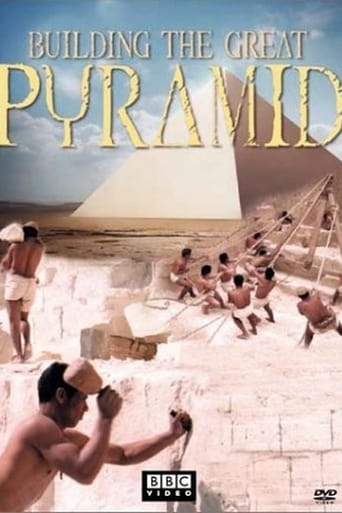
Of the Seven Wonders of the Ancient World, the Pyramid is the only one to survive. Many believe that even with our 21st-century technology, we could not build anything like it today. Based on the most up-to-date research and the latest archaeological discoveries, here is how the Pyramid came to be.

16 Jul 2007

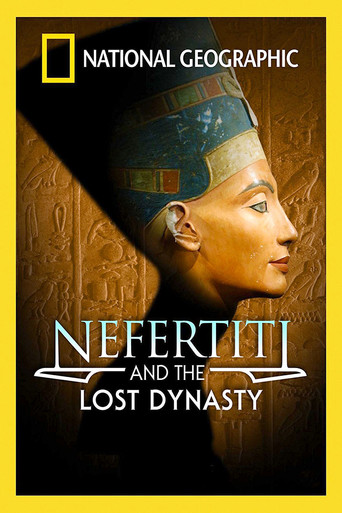
It is one of Egypt's enduring mysteries. What happened to Nefertiti and her husband, Akhenaten - the radical king, and likely father of King Tut? In a dark and mysterious tomb located in the Valley of the Kings, there is a small chamber with two mummies without sarcophagi or wrappings. At times, both have been identified as Queen Nefertiti by scholars, filmmakers and historians. But the evidence has been circumstantial at best.

05 Jun 2021

Druids have existed far longer than hitherto assumed, since the 4th century BC. Their traces are found all over middle Europe: from the northern Balkans to Ireland. Their cultural achievements were equal in almost every way to those of the Romans and Greeks: They could read and write and spoke Greek and Latin - for centuries, they were the powerful elite of their culture. Only one single Druid is known by name to history: Diviciacos - an aristocrat of the Aedui and personal friend of Julius Caesar. Diviciacos was a politician, a judge and a diplomat, but he lived at a time when the Celtic lands of Gaul were conquered by the Romans. Greek and Roman contemporaries distrusted the actions of this forbear of the famous comic book druid Getafix: They imagined him in bloody rituals in somber woods.

02 Jan 2017

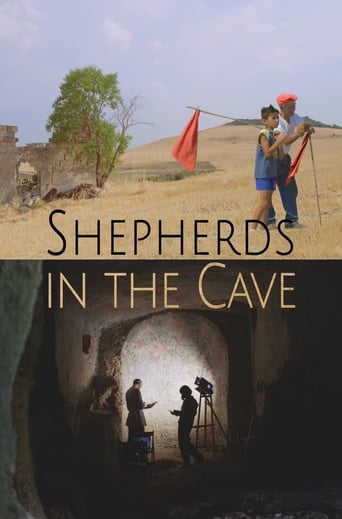
An international team of art restorers and archaeologists begin work on the restoration of medieval frescoes inside a network of ancient caves. Faced with local bureaucratic challenges and systemic neglect of archaeological sites, the team encounters a community of shepherds and migrants that have used the caves for centuries and discover a living culture worth preserving most of all.

26 Sep 2008

Boogie Man is a comprehensive look at political strategist, racist, and former Republican National Convention Committee chairman, Lee Atwater, who reinvigorated the Republican Party’s Southern Strategy to increase political support among white voters in the South by appealing to racism against African Americans. He mentored Karl Rove and George W. Bush and played a key role in the elections of Reagan and George H.W. Bush.

29 Jul 2013

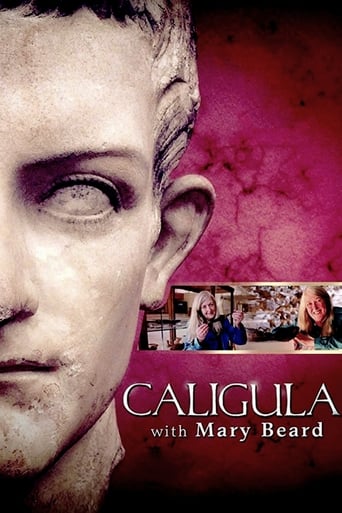
What is true and what is false in the hideous stories spread about the controversial figure of the Roman emperor Gaius Julius Caesar Augustus Germanicus (12-41), nicknamed Caligula? Professor Mary Beard explains what is accurate and what is mythical in the historical accounts that portray him as an unbalanced despot. Was he a sadistic tyrant, as Roman historians have told, or perhaps the truth about him was manipulated because of political interests?
01 Jan 1995

Filmed in IMAX, a young Mayan boy who lives close to the ruins becomes acquainted with an archaeologist (Guerra) and asks her to tell him about his ancestors. The crew travelled to over 15 locations in Mexico and Guatemala, including Tulum and Chichén Itzá.

09 Apr 1976

The "David and Goliath" legend is presented as credibly as possible, while David's later disastrous romance with Bathsheba is handled with taste and decorum. Also in the cast are Anthony Quayle as King Saul, and Terence Hardiman as Bathsheba's unfortunate warrior husband Uriah.

19 Jun 2021

More than 2.000 years ago, Narbonne in today's Département Aude was the capital of a huge Roman province in Southern Gaul - Gallia Narbonensis. It was the second most important Roman port in the western Mediterranean and the town was one of the most important commercial hubs between the colonies and the Roman Empire, thus the town could boast a size rivaling that of the city that had established it: Rome itself. Paradoxically, the town that distinguished itself for its impressive architecture, today shows no more signs of it: neither temples, arenas, nor theaters. Far less significant Roman towns like Nîmes or Arles are full of ancient sites. Narbonne today is a tranquil town in Occitania

24 Nov 2019

Forensic experts scan Pompeii’s victims to investigate why they didn’t escape the eruption.

13 Nov 2000

The Scythians, skilled horsemen and nomadic conquerors, built a feared empire in the vast Eurasian steppe between the 9th and 3rd centuries B.C. All that remains are their graves: the Kourganes. In April 1999, a 2400 year-old Scythian tomb was discovered in Kazakhstan. It contained, among other treasures, twelve horses completely harnessed in gold, suggesting high social status.