13 Feb 2007
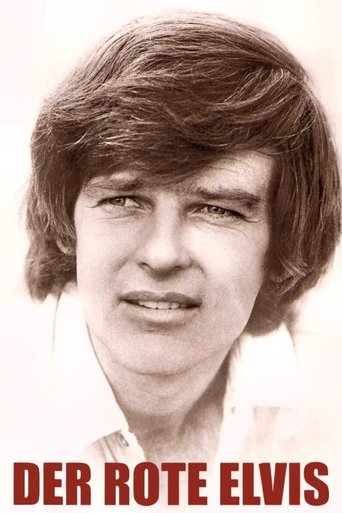
The Red Elvis
A documentary on the late American entertainer Dean Reed, who became a huge star in East Germany after settling there in 1973.
25 years after Erich Honecker's death, his personal secretary in Chile gives MDR an exclusive insight into the family's private archive. The material provides new background information on the dramatic escape story of the once most powerful man in the GDR, his journey to Chile and the dispute over Honecker's mortal remains.

Self
13 Feb 2007
A documentary on the late American entertainer Dean Reed, who became a huge star in East Germany after settling there in 1973.
02 Jan 1991
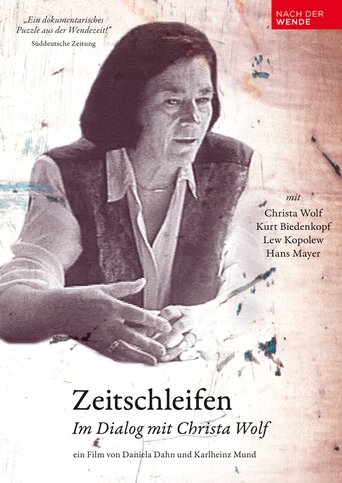
Journalist Daniela Dahn interviews the East-German author Christa Wolf during the German reunification: reflections on history, changing politics, life and work.
11 Feb 2006
In the documentary Last To Know political prisoners, sent to jail for openly opposing the East German regime that existed until the German reunification in 1990, talk about their times of trial and their lives today. Neither they, nor their families have come to terms with what happened.
31 Dec 1986
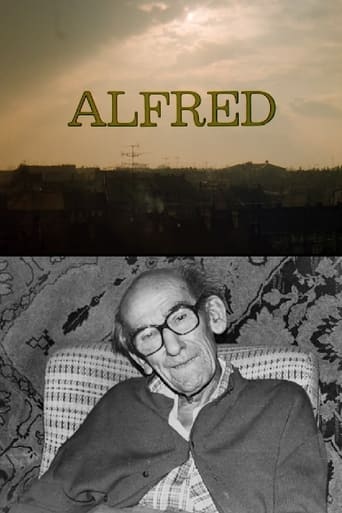
Short biographical documentary about the life of Alfred Florstedt and his life as a progressive communist from the Weimar Republic to his death in 1985.
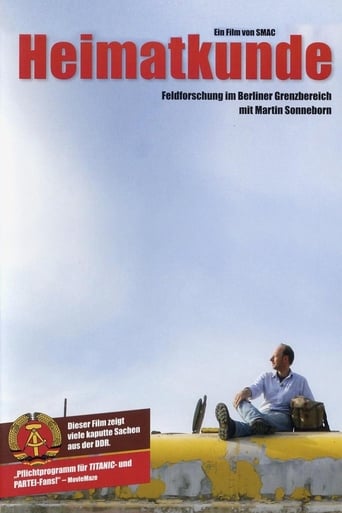
01 Oct 2008
Former "Titanic" satire magazine editor Martin Sonneborn takes an undercover trip around Berlin and discovers the East-German mentality and what is left of the socialist German Democratic Republic.
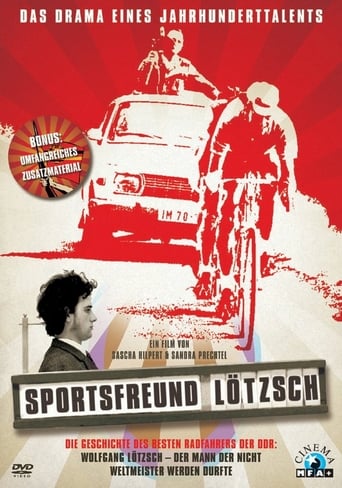
17 Jul 2008
No overview found

15 Apr 2014
Was my father really a spy, as his file in the former East German Secret Service (STASI) suggests? This question marks the starting point of a son’s journey into his late father’s past which still remains somewhat mysterious even today. Eric Asch is looking for answers – in the Stasi archives, at the NSA and in his own family history. The result is a very personal documentary which reports ironically about the practices of secret service during the Cold War.
30 Nov 1989
From an official perspective, marginal youth culture did not exist in East Germany. The topic of subcultures was taboo in the GDR, and groups such as goths, skinheads, anti-skins, punks and neo-Nazis were dismissed as social deviations promoted by western countries. Director Roland Steiner had access to such young East Germans in the late 1980s. Over the course of four years, he brought them before the camera in an attempt to understand what drew them to these groups.
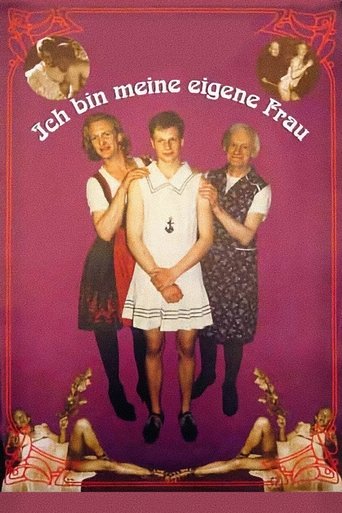
30 Oct 1992
The life story of Charlotte von Mahlsdorf, who survived the Nazi reign as a trans woman and helped start the German gay liberation movement. Documentary with some dramatized scenes. Two actors play the young and middle aged Charlotte and she plays herself in the later years.
02 Oct 2019
No overview found

15 Aug 2012
A retrospective look at the youth cultures born in the German Democratic Republic. A celebration of the lust for life, a contemporary trip into the world of skate, a tale on three heroes and their boards, from their childhood in the seventies, through their teenage rebellion in the eighties and the summer of 1989, when their life changed forever, to 2011.
02 Feb 2010
In the summer of 1989 tens of thousands of tourists from communist East Germany came to Hungary. They were deeply disillusioned because they felt they had no future in East Germany. There was no freedom, no choice in the shops, salaries were low and they could not travel except to Eastern Europe. They wanted to go to a prosperous and free West Germany but they could not get passports, so they hoped that by travelling through Hungary, the least suppressed country of the Soviet Block, they could cross the Iron Curtain into Austria and then travel on into West Germany. For them the Hungary of twenty years ago was the new east-west passage. Written by Czes
04 Nov 2016
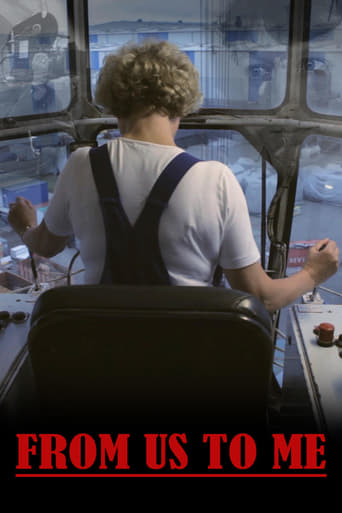
In October 1987, the documentary film collective Amber Films from Newcastle became the first British film crew ever allowed to shoot in East Germany. They filmed the workers of the state-owned fishing concern in Warnemünde and a brigade of crane operators at the state Warnow dockyards. Just two years later, East Germany was history, including most of the jobs it once provided. Twenty-five years later, in 2014, the filmmakers returned to an utterly different Rostock. They visited the people they had filmed in 1987. Together, documentarians and subjects look at excerpts from the earlier film, and talk about the enormous changes the men and women experienced, how they dealt with them, and how they feel today.
10 Feb 2003
Daniel lives in Bernau, a small town north of Berlin.This film tells this 21-year-old’s story and describes the radical right-wing milieu in which he grew up. In his candid portrait of how right-wing radicalism breeds, Daniel explains how difficult it is to break out of a vicious circle of violence, self-hatred and a right-wing extremist frame of mind.
26 May 2016
In 2016, DEFA celebrates its 70th anniversary: the film embarks on a journey into the exciting film history of the GDR. In a comprehensive kaleidoscope, the importance of DEFA productions is illuminated, the relevance of the films as propaganda productions for the GDR, which socio-political themes were in the foreground, but also which heroes DEFA brought to the screen and celebrated as people from the people.
21 Sep 2019
No overview found
18 Aug 2007
No overview found
03 Feb 1989
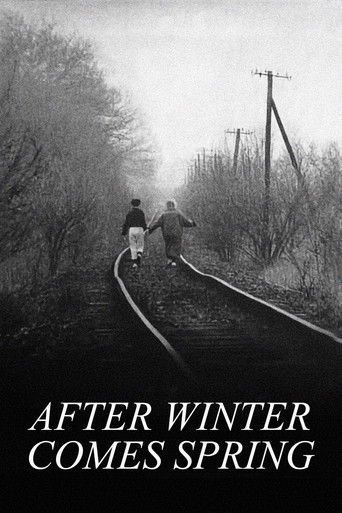
A locomotive journey traversing the North to the South of the German Democratic Republic on the eve of its dissolution. Labourers, punks, mothers, intellectuals, young and old are implored to reflect on their life choices, the sacrifices they've made, and their place in the world. Despite everything, hope persists.
30 Oct 2009
No overview found
16 Oct 2002
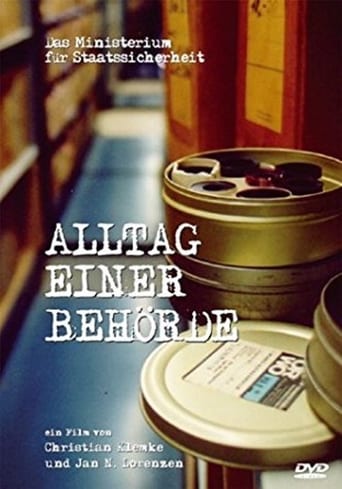
Former heads, senior officers and the rector of the MfS law school explain how the ministry functioned. The interviewees see themselves as legitimate actors with a clear mandate and political enemy image. They provide an insight into the techniques and routines of secret service work, psychological tricks during interrogations and the management of “unofficial collaborators”. What they all have in common is that they are not aware of any moral guilt. The directors contrast their footage of prisons and archives with the statements of former Stasi employees in an attempt to expose their evasions and efforts at suppression.