
17 Mar 2022

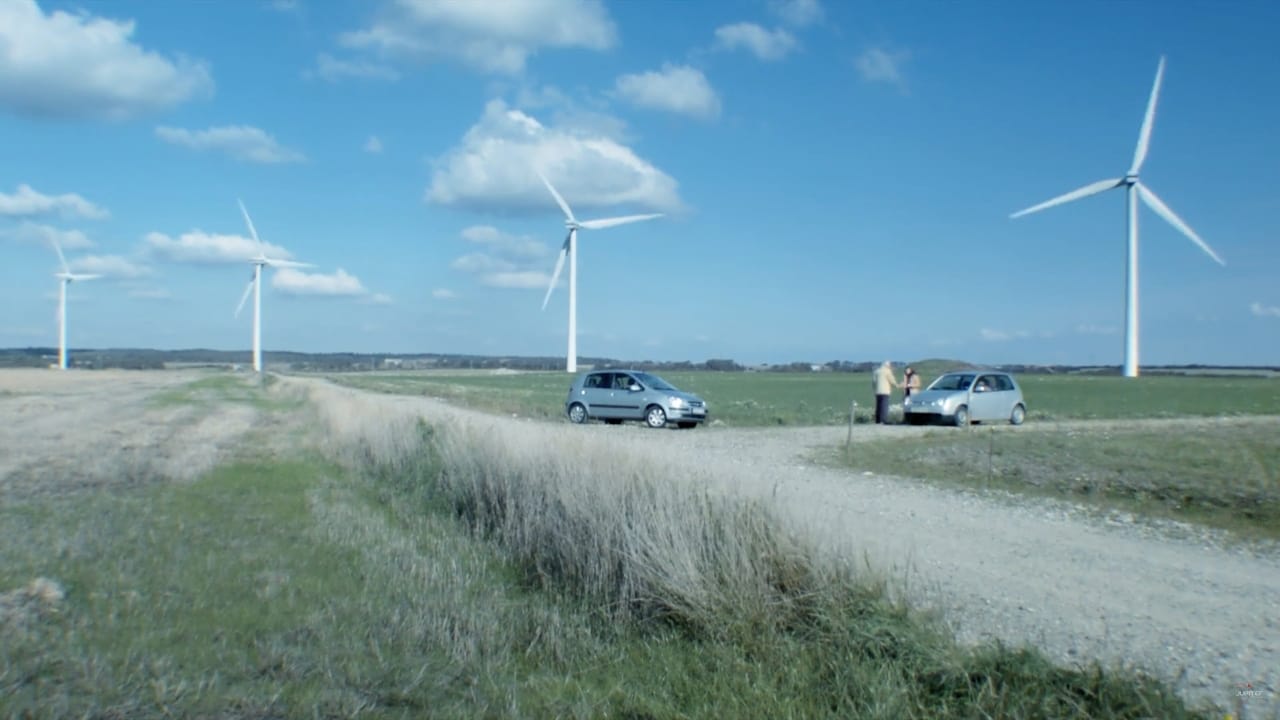
Tu nourriras le monde
No overview found

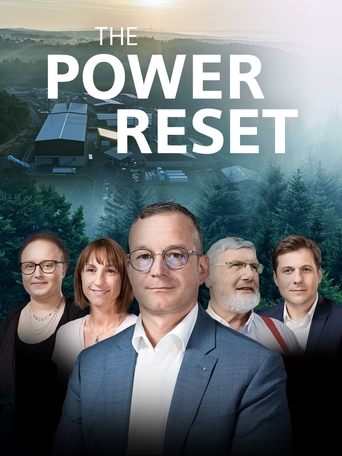
The documentary presents a compelling vision: a global community whose energy supply is 100 percent renewable, accessible, affordable, and clean for all. A global restructuring that reorganizes the balance of power and distributes capital more fairly could begin now. We just have to do it!
himself

17 Mar 2022

No overview found

22 Sep 2021

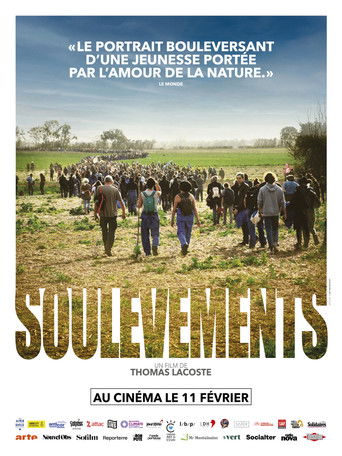
For six years, Melati, 18, has been fighting the plastic pollution that is ravaging her country, Indonesia. Like her, a generation is rising up to fix the world. Everywhere, teenagers and young adults are fighting for human rights, the climate, freedom of expression, social justice, access to education or food. Dignity. Alone against all odds, sometimes risking their lives and safety, they protect, denounce and care for others. The earth. And they change everything. Melati goes to meet them across the globe. At a time when everything seems to be or has been falling apart, these young people show us how to live. And what it means to be in the world today.
31 Dec 1950
A document on the importance of forests to the national economy. It represents forests not only as a rich storehouse of wood, but also as an important factor for continuous water supply, as they regulate the water cycle and prevent both droughts and floods.

28 Oct 2020

Capturing CO2 to recycle it, brightening clouds to better intercept sunlight, massive reforestation: here's an overview of scientific solutions to combat global warming that offer a glimmer of hope.

14 Dec 2022

Journey to a secret valley in Australia, where a nervous baby kangaroo named Mala faces hungry dingoes and winter snows in this coming-of-age adventure.

12 Aug 2005

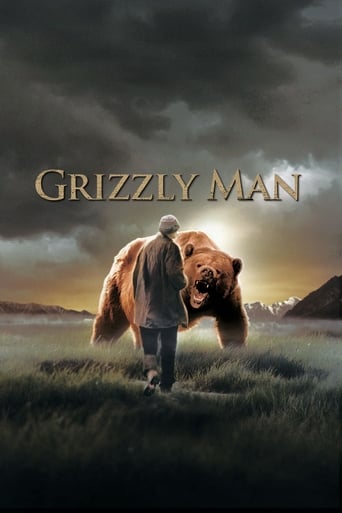
Werner Herzog's documentary film about the "Grizzly Man" Timothy Treadwell and what the thirteen summers in a National Park in Alaska were like in one man's attempt to protect the grizzly bears. The film is full of unique images and a look into the spirit of a man who sacrificed himself for nature.

01 Jul 2021

No overview found

01 Oct 1992

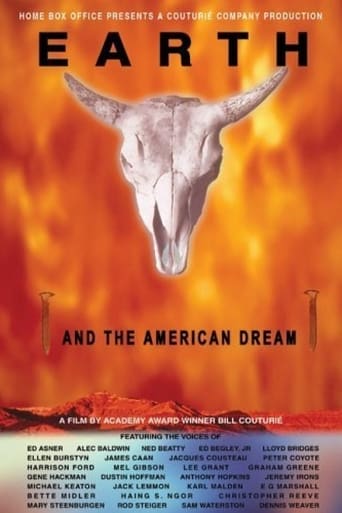
A beautiful and disturbing film recounts America’s story from the environment’s point of view. From the arrival of Columbus to the simple wilderness living of the 16th and 17th centuries, through the agrarian lifestyle of the 18th century, the changes from the Industrial Revolution, to the 20th century when most of the planet’s resources have been depleted — this film examines the North American landscape and all the wildlife destruction, deforestation, soil depletion and pollution that have been wrought to make the American Dream come true.

07 Oct 2017

Filmmaker Jamie Redford embarks on a surprising journey across the U.S. to meet entrepreneurs, community activists and ordinary citizens who are pioneering the use of clean energy technology, often in the most unlikely places, in the process creating jobs, turning profits and making Americans’ lives healthier.

31 Jan 2018

No overview found

16 Sep 2015

The 20 km zone surrounding the Fukushima Nuclear Power Plant was designated an evacuation zone due to the radiation caused by the accident in March 2011. However, the thousands of people of Itate, situated just outside the zone, and those who had fled the area and taken shelter there were left to their own devices for over a month. Later on Itate became a restricted area and the residents were allowed only visits having to leave the area for good. The place became a ghost town, as it was too close to the Zone and many pets and farm animals are stranded there. There are said to be 150~200 dogs, 400~800 cats, 50 chickens and a pig although the exact numbers are unknown. The public interest in the accident has all but gone but there is one man who still cares what happens to those animals.

14 Apr 2008

This documentary provides a window into the extraordinary life of activist and Nobel Laureate Wangari Maathai, a Kenyan woman who has worked to regain ownership of her country and its fate after years of colonialism. While gentle and thoughtful, Maathai carries a powerful message: the First World holds much of the responsibility for the environmental, economic and social struggles of the developing world.

18 Sep 2009

Werner Boote presents an up-close and personal view of the controversial and fascinating material that has found its way into every facet of our daily lives: plastic. He takes us on a journey around the globe, showing that plastics have become a threat for both environment and human health.

05 Dec 2014

No overview found
10 Sep 2018
For 100 years, we have waged war on wildfire in the United States, and ironically, have created a more volatile landscape than ever.

21 Oct 2011

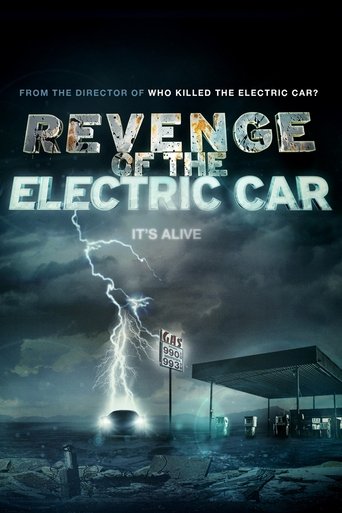
A sequel to 2006's Who Killed the Electric Car?, director Chris Paine once again looks at electric vehicles. Where in the last film electric cars were dismissed as uneconomical and unreliable, and were under multiple attacks from government, the auto industry, and from energy companies who didn't want them to succeed, this film chronicles, in the light of new changes in technology, the world economy, and the auto industry itself, the race - from both major car companies like Ford and Nissan, and from new rising upstarts like Tesla - to bring a practical consumer EV to market.

24 Jun 2015

In the jungles of the Solomon Islands, a remote archipelago in the South Pacific, a biologist is attempting to do something Charles Darwin and Ernst Mayr never accomplished: catch evolution in the act of creating new species. Albert Uy is on the verge of an amazing discovery in the Solomon Islands, but there's a threat looming on the horizon. The islands' resources are being exploited, putting all local wildlife at risk. It's a race against time to gather the evidence necessary to prove the existence of a new species before it's lost forever.

16 Mar 2012

An adaptation of Margaret Atwood's book examining the metaphor of indebtedness.
20 Aug 2015
No overview found

04 Nov 2011

Humanity’s ascent is often measured by the speed of progress. But what if progress is actually spiraling us downwards, towards collapse? Ronald Wright, whose best-seller, “A Short History Of Progress” inspired “Surviving Progress”, shows how past civilizations were destroyed by “progress traps”—alluring technologies and belief systems that serve immediate needs, but ransom the future. As pressure on the world’s resources accelerates and financial elites bankrupt nations, can our globally-entwined civilization escape a final, catastrophic progress trap? With potent images and illuminating insights from thinkers who have probed our genes, our brains, and our social behaviour, this requiem to progress-as-usual also poses a challenge: to prove that making apes smarter isn’t an evolutionary dead-end.