07 Sep 2017
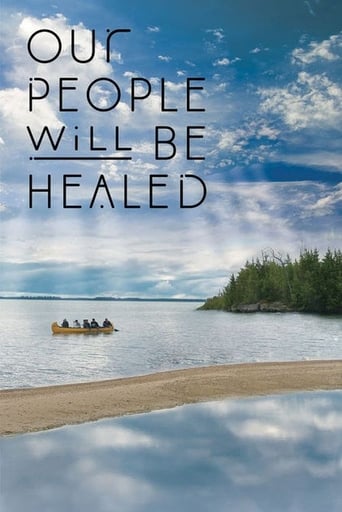
Our People Will Be Healed
Legendary documentary filmmaker Alanis Obomsawin provides a glimpse of what action-driven decolonization looks like in Norway House, one of Manitoba's largest First Nation communities.
When Masset, a Haida village in Haida Gwaii (formerly known as the Queen Charlotte Islands), held a potlatch, it seemed as if the past grandeur of the people had returned. This is a colourful recreation of Indigenous life that faded more than two generations ago when the great totems were toppled by the missionaries and the costly potlatch was forbidden by law. The film shows how one village lived again the old glory, with singing, dancing, feasting, and the raising of a towering totem as a lasting reminder of what once was.

Self (uncredited)
Self (uncredited)
Self (uncredited)

Self (uncredited)
Narrator
07 Sep 2017
Legendary documentary filmmaker Alanis Obomsawin provides a glimpse of what action-driven decolonization looks like in Norway House, one of Manitoba's largest First Nation communities.
29 Mar 2014
A documentary film about Comanche activist LaDonna Harris, who led an extensive life of Native political and social activism, and is now passing on her traditional cultural and leadership values to a new generation of emerging Indigenous leaders.
11 Dec 2020
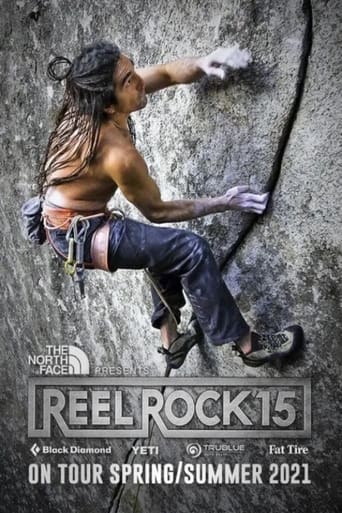
Lonnie Kauk’s personal journey to honor his indigenous Yosemite roots, and to connect with his legendary father by repeating his iconic climbs.
01 Jan 1973
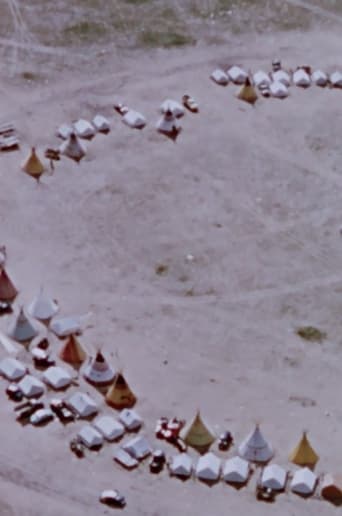
On the Kainai (Blood) First Nations Reserve, near Cardston, Alberta, a hopeful new development in Indigenous enterprise. Once rulers of the western plains, the Bloods live on a 1 300-square-kilometer reserve. Many have lacked gainful employment and now pin their hopes on a pre-fab factory they have built. Will the production line and work and wages fit into their cultural pattern of life? The film shows how it is working and what the owners themselves say about their venture.
29 Sep 2017
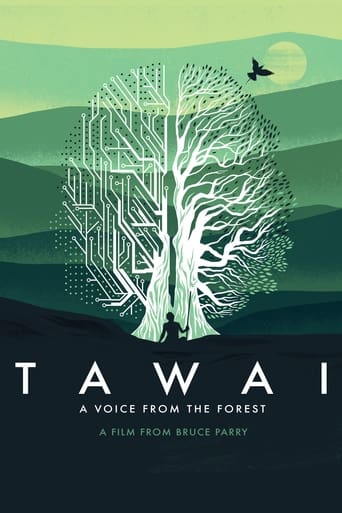
Explorer Bruce Parry visits nomadic tribes in Borneo and the Amazon in hope to better understand humanity's changing relationship with the world around us.
22 Oct 2009
This short impressionist documentary looks at the creation of a Button Blanket by integrating the performance of a traditional dance with the art of the West Coast Heiltsuk Nation.
11 Oct 2012
A core group of architects embraced the West Coast from Vancouver to LA with its particular geography and values and left behind a legacy of inspired dwellings. Today, architects celebrate the influence established by their predecessors.

15 May 2013
TOKYO Ainu features the Ainu, an indigenous people of Japan, living in Greater Tokyo (Tokyo and its surrounding areas), who are and actively in promoting their traditional culture in a metropolitan environment away from their traditional homeland, Hokkaido. Shedding a common assumption that all Ainu live in Hokkaido, the film captures the feelings, thoughts and aspirations of Ainu people that who try to follow the Ainu way no matter where they live.
25 Sep 2022
A short documentary that celebrates Dene cultural reclamation and revitalization, in which a father passes on traditional knowledge to his child through the teachings of a caribou drum.
17 Oct 2015
Documentary about filmmaker Bonnie Ammaaq's memories of life on Baffin Island, where her family moved for eleven years during her childhood from the hamlet of Igloolik to return to the traditional Inuit way of life.
15 Oct 2014
The wolf of British Columbia is on a quest to master water, fishing and swimming. According to several specialists, the wolf is at the first stage of a process that could turn it into a marine mammal. How will its evolution unfold?
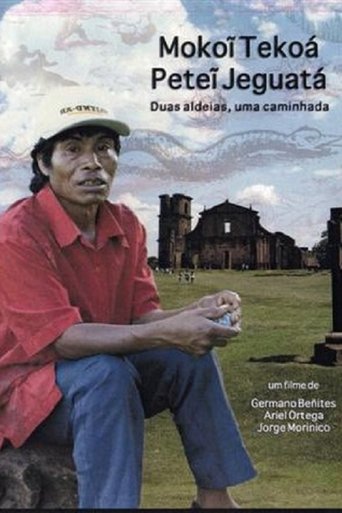
01 Jan 2008
With no Forest left to hunt and no land to cultivate, the Maby-Guarani depend on the sale of their handcraft to survive. Three young Guarani filmmakers accompany the daily life of two comunities united by the same history, since the first contact with the Europeans until the intense coexistence with today’s White people.

01 Jan 2011
Inuit traditional face tattoos have been forbidden for a century, and almost forgotten. Director Alethea Arnaquq-Baril, together with long-time friend and activist Aaju Peter, is determined to uncover the mystery and meaning behind this beautiful ancient tradition. Together they embark on an adventure through Arctic communities, speaking with elders and recording the stories of a once popularized female artform. Central to the film is Arnaquq-Baril’s personal debate over whether or not to get tattood herself. With candour and humour, she welcomes us into her world, to experience firsthand the complex emotions that accompany her struggle. Past meets present in this intimate account of one woman’s journey towards self-empowerment and cultural understanding.
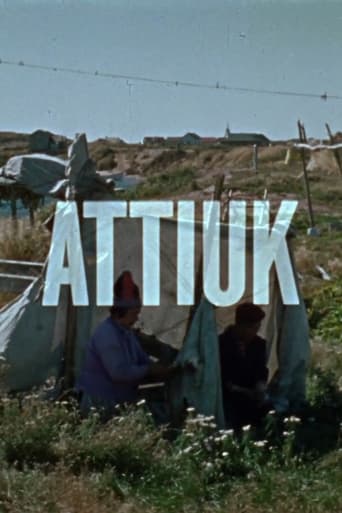
19 Jul 1963
The people of Unamenshipu (La Romaine), an Innu community in the Côte-Nord region of Quebec, are seen but not heard in this richly detailed documentary about the rituals surrounding an Innu caribou hunt. Released in 1960, it’s one of 13 titles in Au Pays de Neufve-France, a series of poetic documentary shorts about life along the St. Lawrence River. Off-camera narration, written by Pierre Perrault, frames the Innu participants through an ethnographic lens. Co-directed by René Bonnière and Perrault, a founding figure of Quebec’s direct cinema movement.
01 May 1961
This short documentary offers a portrait of life on a cattle ranch, for both its human and animal inhabitants. Featuring sprightly music by folk singer Pete Seeger and narration by theatre actress Frances Hyland, the film is shot through the seasons on a large Canadian cattle ranch near Kamloops, British Columbia. With hundreds of cows and calves on the ranch, there’s no shortage of work to be done: soil cultivation and crop maintenance are taken care of by seasonal ranch hands while the resident cowboys—“anxious guardians”—brand and breed their bovine charges.
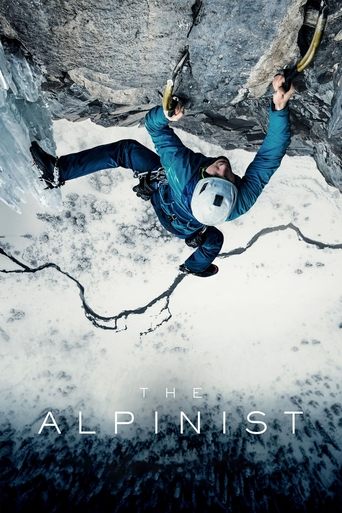
07 Feb 2021
Marc-André Leclerc, an exceptional climber, has made solo his religion and ice his homeland. When filmmaker Peter Mortimer begins his film, he places his camera at the base of a British Columbia cliff and waits patiently for the star climber to come down to answer his questions. Marc André, a little uncomfortable, prefers to return to the depths of the forest where he lives in a tent with his girlfriend Brette Harrington. In the heart of winter, Peter films vertiginous solos on fragile ice. He tries to make appointments with the climber who is never there and does not seem really concerned by this camera pointed at him "For me, it would not be a solo if there was someone else" . Marc-André is thus, the "pure light" of the mountaineers of his time, which marvel Barry Blanchard, Alex Honnold or Reinhold Messner, interviewed in the film. An event film for an extraordinary character.
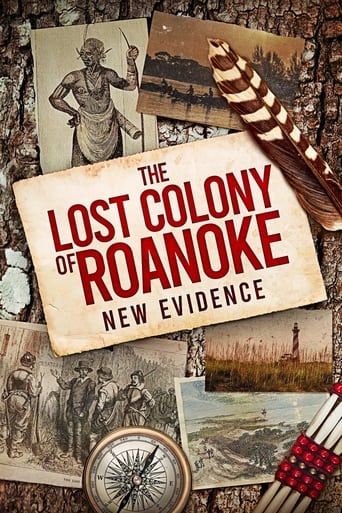
08 May 2022
In 1587, more than 100 English colonists settle on Roanoke Island and soon vanish, baffling historians for centuries; now, experts use the latest forensic archaeology to investigate the true story behind America's oldest and most controversial mystery.
13 Nov 2024
After a plane crash, four indigenous children fight to survive in the Colombian Amazon using ancestral wisdom as an unprecedented rescue mission unfolds.
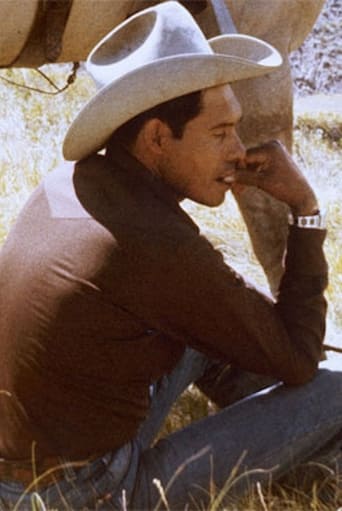
10 Mar 1982
Pete Standing Alone is a Blood Indian who, as a young man, was more at home in the White man's culture than his own. Confronted with the realization that his children knew very little about their origins, he became determined to pass down to them the customs and traditions of his ancestors. This film is the powerful biographical study of a 25-year span in Pete's life, from his early days as an oil-rig roughneck, rodeo rider and cowboy, to the present as an Indian concerned with preserving his tribe's spiritual heritage in the face of an energy-oriented industrial age.
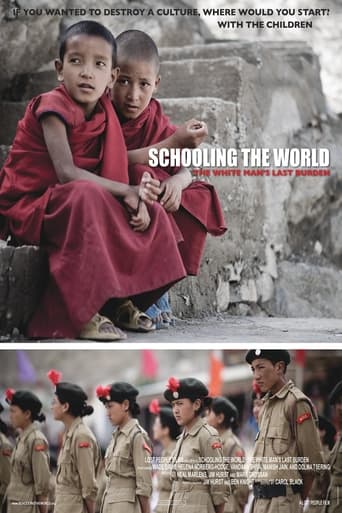
01 Jun 2010
If you wanted to change an ancient culture in a generation, how would you do it? You would change the way it educates its children. The U.S. Government knew this in the 19th century when it forced Native American children into government boarding schools. Today, volunteers build schools in traditional societies around the world, convinced that school is the only way to a 'better' life for indigenous children. But is this true? What really happens when we replace a traditional culture's way of learning and understanding the world with our own? SCHOOLING THE WORLD takes a challenging, sometimes funny, ultimately deeply disturbing look at the effects of modern education on the world's last sustainable indigenous cultures.