23 Oct 2023
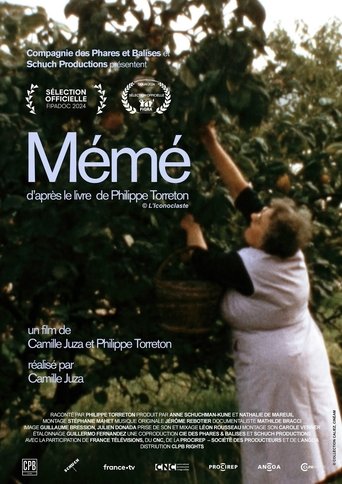
Mémé
No overview found

23 Oct 2023
No overview found
26 Jan 2024
A man tells the story of his three cats.
09 Mar 1998
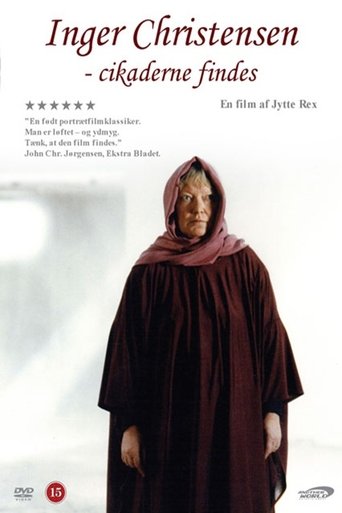
In this portrait film, we meet Inger Christensen in her apartment in Østerbro, Copenhagen, where she tells of her life and work, and reads excerpts from her major works.
03 Oct 2024
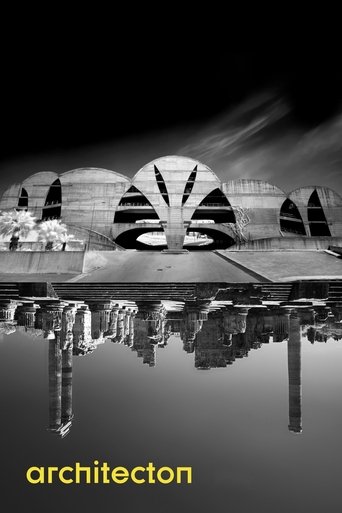
An extraordinary journey through the material that makes up our habitat: concrete and its ancestor, stone. Victor Kossakovsky raises a fundamental question: how do we inhabit the world of tomorrow?
26 Jun 2021
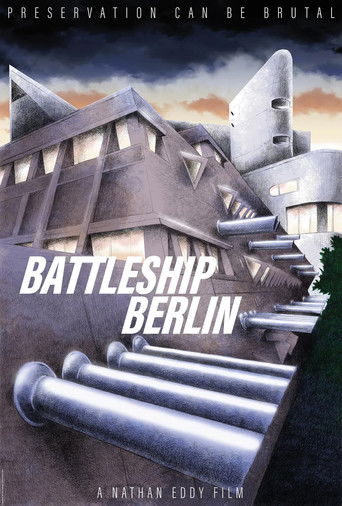
Berlin’s brutalist heritage is under fire. The city’s powerful Charité hospital wants to destroy a brutalist icon of the Cold War era: The infamous former animal research laboratory called the Mäusebunker. Meanwhile, a dedicated group of politicians, preservationists, architects, gallerists, and students fight for an adaptive reuse of these magnificent, uncompromisingly unique structures. Who will win? No matter the outcome, you’re left with the impression that preservation can be brutal.

17 Nov 2023
Shere Hite’s 1976 bestselling book, The Hite Report, liberated the female orgasm by revealing the most private experiences of thousands of anonymous survey respondents. Her findings rocked the American establishment and presaged current conversations about gender, sexuality, and bodily autonomy. So how did Shere Hite disappear?

15 Sep 2023
Fashion revolutionary Bethann Hardison looks back on her journey as a pioneering Black model, modeling agent, and activist, shining a light on an untold chapter in the fight for racial diversity.
04 Jul 2014
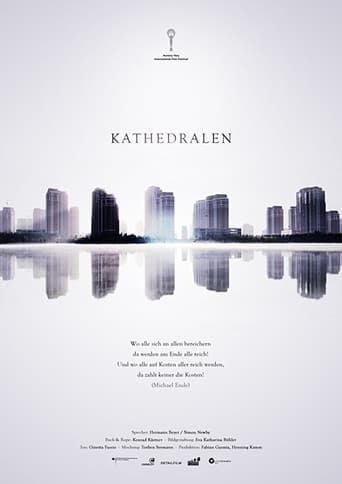
The city of Ordos, in the middle of China, was build for a million people yet remains completely empty. Ordos is not so much a place but a symbol of babylonic hype. But nothing will change - as long as people believe.
30 Jul 2013
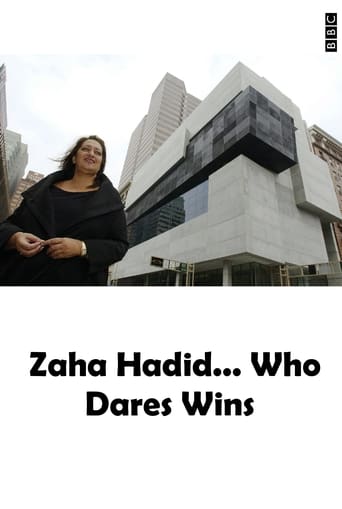
Alan Yentob profiles the most successful female architect there has ever been, the late Zaha Hadid, who designed buildings around the globe from Austria to Azerbaijan.
01 Jan 1986
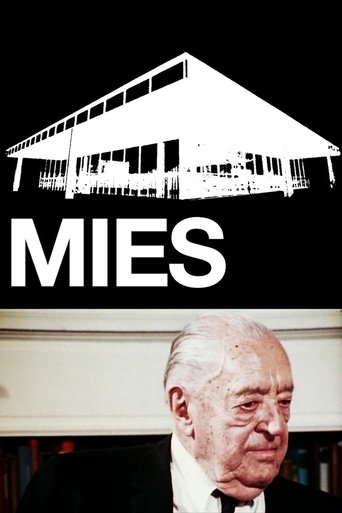
No understanding of the modern movement in architecture is possible without knowledge of its master builder, Mies van der Rohe. Together with documentation of his life, this film shows all his major buildings, as well as rare film footage of Mies explaining his philosophy. Phyllis Lambert relates her choice of Mies as the architect for the Seagram building. Mies's achievements and continuing influence are debated by architects Robert A.M. Stern, Robert Venturi, and Philip Johnson, by former students and by architectural historians. Mies is seen in rare documentary footage.
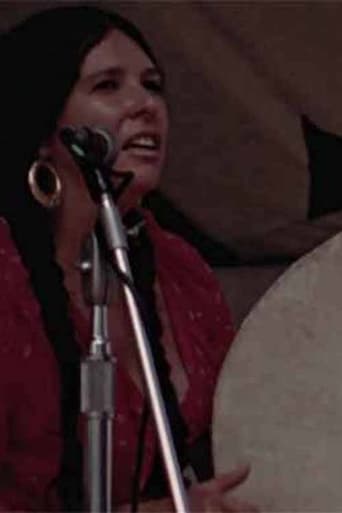
01 Jan 1975
Alanis Obomsawin, a North American Indian who earns her living by singing and making films, is the mother of an adopted child. She talks about her life, her people, and her responsibilities as a single parent. Her observations shake some of our cultural assumptions.
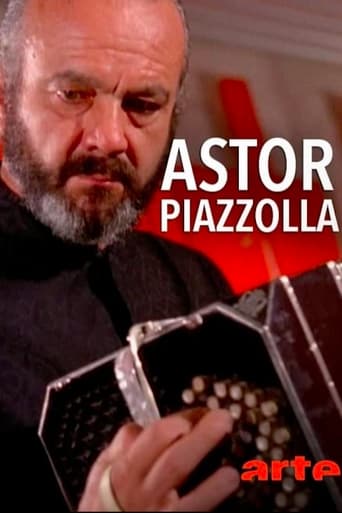
03 Sep 2017
Astor Piazzolla revolutionized the tango. By breaking with the codes of traditional tango, he brought this popular Argentine music from dance floors to concert halls around the world and is now recognized as a major composer of the 20th century. From numerous unpublished private archives, the voices of Astor and his children paint a unique portrait of this complex man.
27 Oct 2019
How do you deal with life's curveballs? FIGURE 3 tells trapeze artist Korri Singh Aulakh's story of being diagnosed with the chronic autoimmune condition Myasthenia Gravis. It's the third installment in FIGURES, a new series of portrait films. Shot on a mix of 16mm film, VHS and digital.
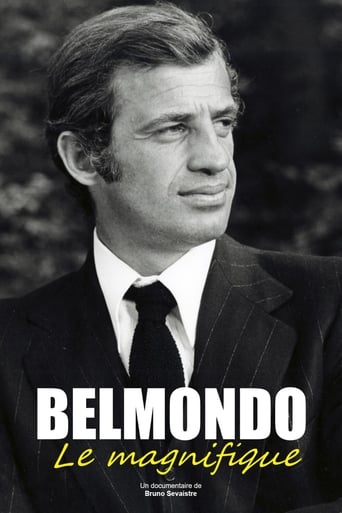
03 Sep 2017
With more than 70 films and 160 million cumulative tickets in France, Jean-Paul Belmondo is one of the essential stars of French cinema.
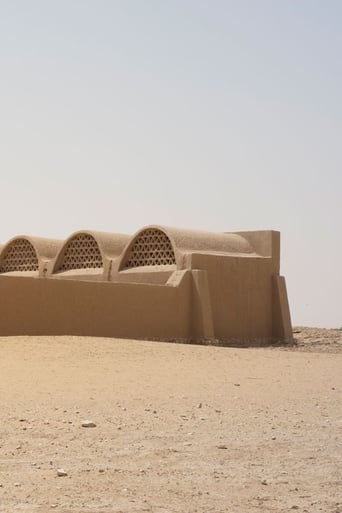
14 Mar 2019
Egypt's only modernist architect Hassan Fathy (1900-1989) was committed to ecology and sustainability in his architecture. This film takes us with slow steps, in still images, to two villages he created. Fathy's historically grounded, forward-looking designs prompt us to reflect on the past as well as contemplate new solutions for the future.
18 May 2023
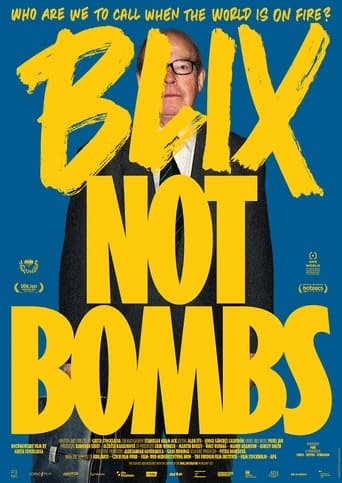
When the world was on fire, they called Hans Blix. This is how the Swedish diplomat is introduced in ‘Blix Not Bombs’. And if there is one fire he is particularly associated with, it is the 2003 invasion of Iraq. Prior to the invasion, Blix led the delegation of UN officials to find out whether weapons of mass destruction were present in Iraq. And it is the invasion and its consequences that we get Blix’s formidably insightful analysis of in a thorough and honest conversation with director Greta Stocklassa. Few others understand the complexities of international politics on the world stage like Blix, and none can explain it with his intellectual elegance. But Stocklassa’s film is also a portrait of the man himself, now an elderly gentleman, writing his memoirs, walking with a cane and watching birds through the window of his apartment. His outlook and commitment is as urgent as ever, as Blix takes stock of the invasion of Iraq and the state of the world today.
02 Jan 2023
No overview found
05 Apr 2014
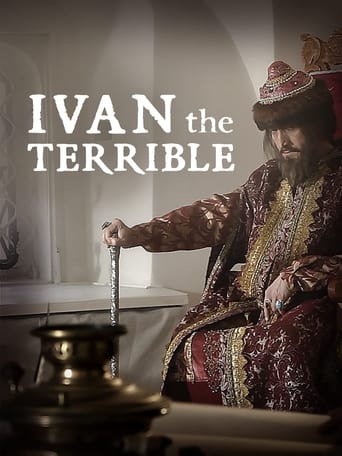
Ivan, first tsar of Russia. History will remember him as "the Terrible. Russian people love him for centuries. He liberates Russia from foreign oppressors, demands absolute obedience and loyalty in order to radically modernise Russia? Ivan IV, Grand Duke of Moscow, first Tsar of Russia by the grace of God. A madman? A sadist?
01 Jan 1972
“In this legendary sculpture/performance Acconci lay beneath a ramp built in the Sonnabend Gallery. Over the course of three weeks, he masturbated eight hours a day while murmuring things like, "You're pushing your cunt down on my mouth" or "You're ramming your cock down into my ass." Not only does the architectural intervention presage much of his subsequent work, but all of Acconci's fixations converge in this, the spiritual sphincter of his art. In Seedbed Acconci is the producer and the receiver of the work's pleasure. He is simultaneously public and private, making marks yet leaving little behind, and demonstrating ultra-awareness of his viewer while being in a semi-trance state.” – Jerry Saltz (via: http://www.ubu.com/film/acconci_seedbed.html)
22 Jan 2020
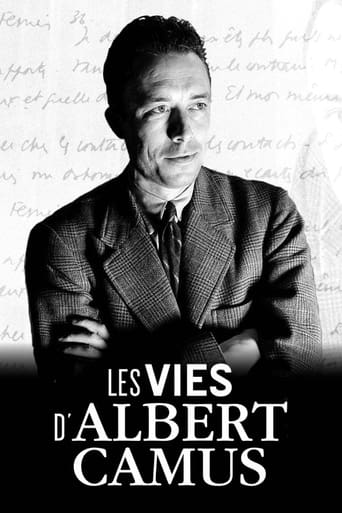
Albert Camus died at 46 years old on January 4, 1960, two years after his Nobel Prize in literature. Author of “L'Etranger”, one of the most widely read novels in the world, philosopher of the absurd and of revolt, resistant, journalist, playwright, Albert Camus had an extraordinary destiny. Child of the poor districts of Algiers, tuberculosis patient, orphan of father, son of an illiterate and deaf mother, he tore himself away from his condition thanks to his teacher. French from Algeria, he never ceased to fight for equality with the Arabs and the Kabyle, while fearing the Independence of the FLN. Founded on restored and colorized archives, and first-hand accounts, this documentary attempts to paint the portrait of Camus as he was.