15 Nov 1942

Newspaper Train
The story of how newspapers were distributed during the Blitz, stressing the importance of an accurate and objective press on the home front.

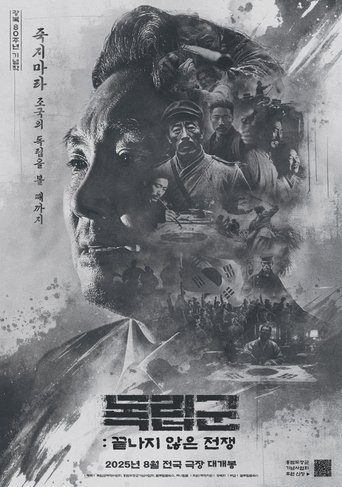
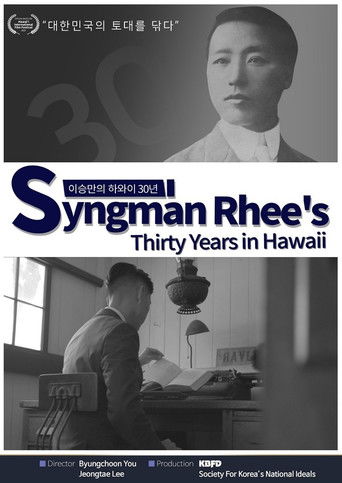
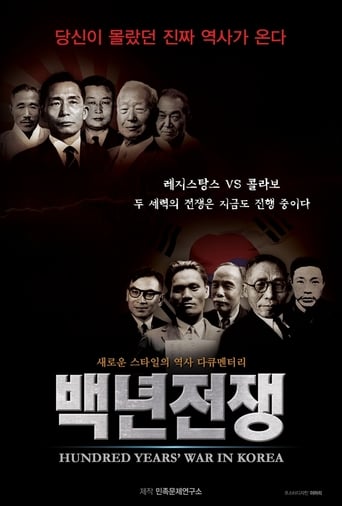
The 100 years of history of the Chosun Ilbo and the Dong-A Ilbo show that wrong press can be a social weapon.

Self (archive footage)

Self (archive footage)

Self (archive footage)

Self (archive footage)

Self (archive footage)

Self (archive footage)

Self (archive footage)

15 Nov 1942

The story of how newspapers were distributed during the Blitz, stressing the importance of an accurate and objective press on the home front.

08 Jun 2014

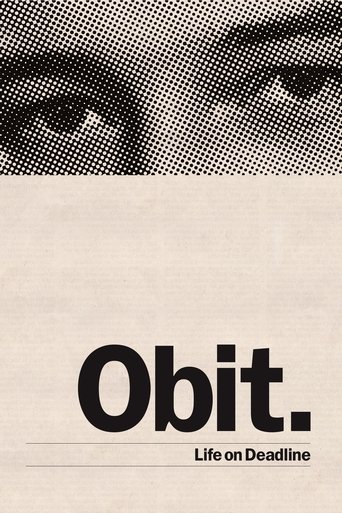
Rich Peppiatt delivers a satirical dissection of the newspaper trade by turning the tables on unscrupulous editors. Through a series of mischievous stunts and interviews with heavyweights of journalism, comedy & politics, Peppiatt hilariously exposes the hypocrisy at the heart of modern journalism.

12 Oct 2017

Explores the life and work of English journalist Robert Cox, the former editor of "The Buenos Aires Herald" daily newspaper, whose investigative reporting in the late 1970s exposed the shocking human rights crimes of Argentina's military dictators.

29 Apr 2011

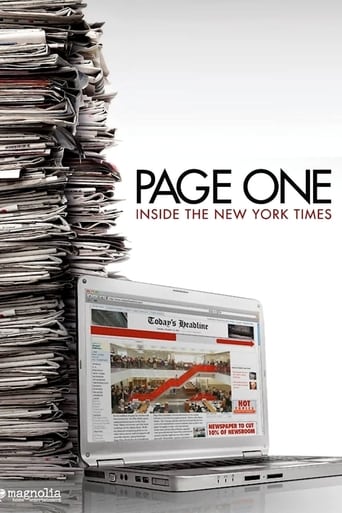
Unprecedented access to the New York Times newsroom yields a complex view of the transformation of a media landscape fraught with both peril and opportunity.

01 Jan 1964

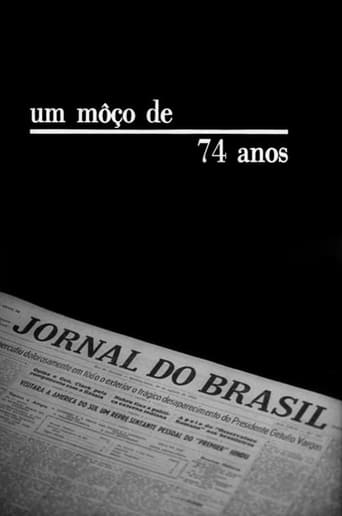
Documentary about the history of Jornal do Brasil, founded on April 14, 1891. In 1965, the Jornal do Brasil marked its innovative and active position, as recorded in the documentary "A Seventv-Four- Year-Old Fellow" by the filmmaker Nelson Pereira dos Santos, and the story itself was in charge of confirming. In the following years, the newspaper would witness the most remarkable events of the second half of the twentieth century in Brazil and in the world. It would applaud the democratic struggles and independence of peoples, support social demonstrations against oppression and justice at all levels. Tirelessly, he did not hesitate to report the truth of the facts, regardless of the circumstances in which they presented themselves.

01 Jan 1968

A day in the life of the Manchester Evening News.

07 Aug 2024

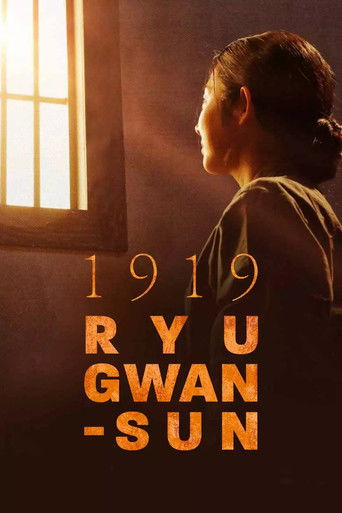
During the Japanese colonial period, 22 Korean female workers were forced to work in a spinning mill in Osaka across the sea to support their families. Despite facing discrimination and violence, their testimonies and life-affirming songs of victory have endured.

28 Apr 2024

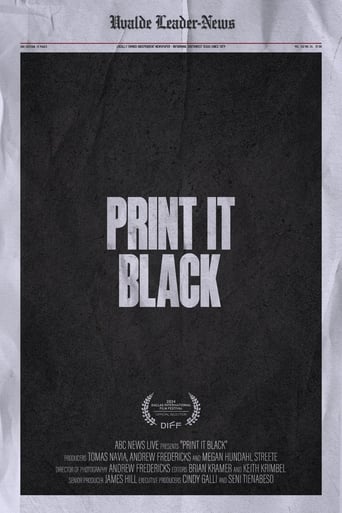
After the Robb Elementary school shooting in Texas, local Uvalde Leader-News journalists are left to report on the fallout – and on one of their staff members. Reporter Kimberly Rubio rises to national prominence as an advocate for gun reform after her ten-year-old daughter, Lexi, is killed in the shooting. Through the journalists’ reporting, we witness the social fabric of this small Texas town unravel as Kimberly and other victims’ families search for accountability from law enforcement and local leaders. The documentary also shines a light on the critical role of community journalism, at a time when local newspapers are folding rapidly across the country.

17 Oct 2016

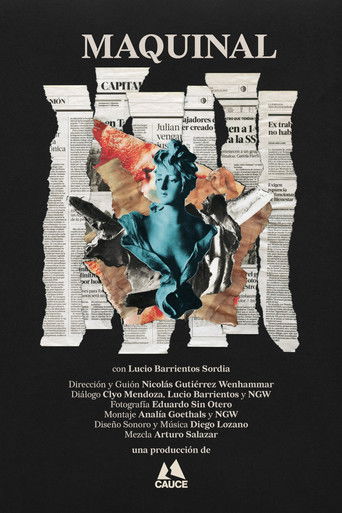
The title of the film is the date on which the editorial staff of Hungary’s largest opposition newspaper, Népszabadság, was fired. The filmmaker tore up copies of that day’s issue, layered them, and then turned them into an urgent collage expressing his yearning for the free expression of opposition viewpoints. The visible edges of the film emphasize the impossibility of presenting information in a complete context.

12 Apr 1929

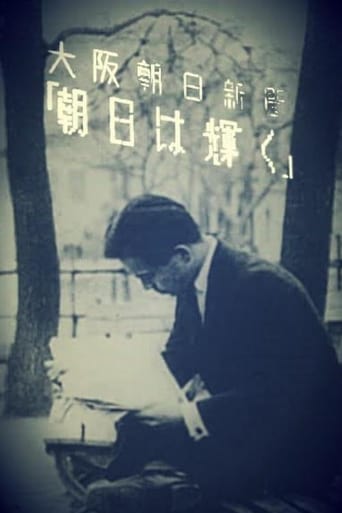
The Morning Sun Shines is a fiction-documentary film by Kenji Mizoguchi and Seiichi Ina. The film is a combination of a drama about a reporter, and documentary footage about newspaper production. Only 25 minutes of footage has survived.
19 Apr 1987
"Impressões" rescues the history of the Brazilian press since 1808, when the "Correio Brasiliense" clandestinely reached Rio de Janeiro after being edited in London by Hipólito José da Costa, and spans until 1986. It's the first documentary to depict the history of the Brazilian journalistic press.

20 Aug 2020

No overview found

10 Dec 2018

This short documentary explores how the Ilustrada section of the Folha de S. Paulo newspaper had to fight back against censorship from the military dictatorship in Brazil after Lourenço Diaféria, one of its columnists, published an article criticising the patron of the Brazilian army, Duque de Caxias.

13 Jun 2024

Before Rolling Stone, there was Soul Newspaper. Behind Soul, there was Regina Jones. Against all odds, Regina blazed her own path, and at 80 has found herself again.

15 May 2020

Byeong-man, a farmer whose father was enslaved during Japan's occupation of Korea, protests the Japanese government's claim over the disputed island territory of Dokdo. Kyeong Sook, a woman who lived on Dokdo with her father, struggles to keep his legacy alive after the Korean government mysteriously erased their history. Set in the unresolved trauma of the Japanese occupation of Korea, Land of My Father (아버지의 땅) is a story about two lives that are intertwined with a remote disputed island.

23 Feb 2022

KIM Soonak is a survivor of sex slavery by the Japanese military. The war may have ended, but her life was still at a war. She lived in the prostitute quarters to survive, did sex business in the US military camp town, and peddled goods from the US military. She raised two kids on her own as she worked as a maid. We’ll listen to her story in her absence. The film reconstructs the life story of the deceased KIM Soonak with interviews with activists, archive videos, animation, and read-aloud testimony.

28 Nov 2019

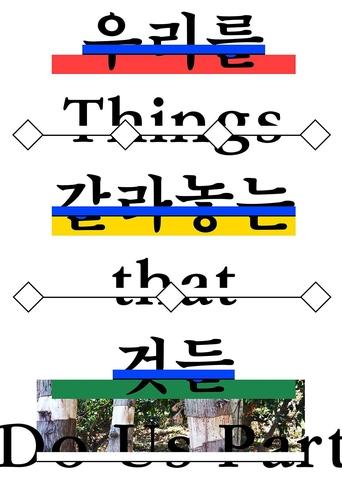
Things That Do Us Part is a documentary that reframes the stories of three women fighters who dove into a tragic war in modern Korean history, using witness statements and reenactments.

01 Jan 1956

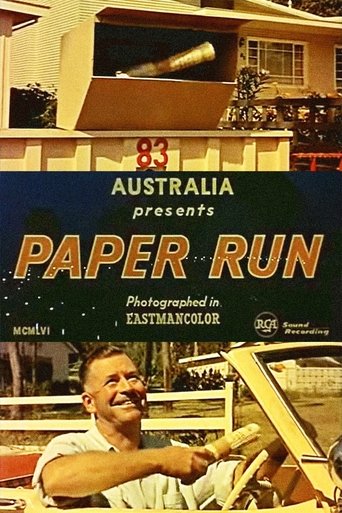
A panorama of scenic beauty unfolds as the newspaper delivery man works his run along Sydney's northern beaches of Newport and the Palm Beach area.

15 Aug 2013

No overview found

01 Jan 1995

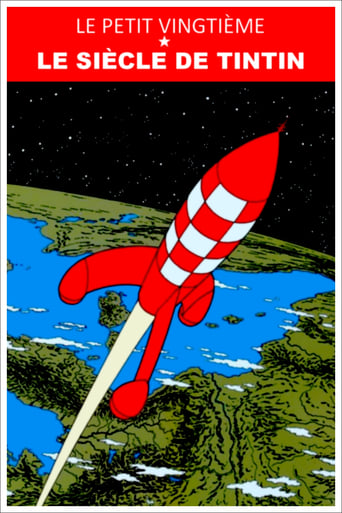
From the beginning, Hergé's work, Tintin's creator, was conditioned by the ideology of his publisher, the weekly child supplement of a Belgian Catholic newspaper. An exciting analysis of the political meaning of the adventures of Tintin.