
09 Mar 2025
Welcome Home Freckles
After four years away, Huiju returns home to South Korea. Exchanges with her loved ones are awkward and clumsy. Huiju turns once again to her familiar rituals: pruning the trees, preparing a sauce, tying a braid.
After marrying a settler, Mary Two-Axe Earley lost her legal status as a First Nations woman. Dedicating her life to activism, she campaigned to have First Nations women's rights restored and coordinated a movement that continues to this day. Kahnawake filmmaker Courtney Montour honours this inspiring leader while drawing attention to contemporary injustices that remain in this era of truth and reconciliation.
Self
Self
Self
Self
09 Mar 2025
After four years away, Huiju returns home to South Korea. Exchanges with her loved ones are awkward and clumsy. Huiju turns once again to her familiar rituals: pruning the trees, preparing a sauce, tying a braid.

07 Mar 2025
In her attempt to escape her past, Huiju relocated to the UK over 11 months ago. However, even after moving to a new country, she found that her nightmares from Korea continued to haunt her. Determined to move forward, she made the decision to confront her memories head-on in a very contemporary way, using dating apps to push the boundaries she had set due to her sexual trauma.
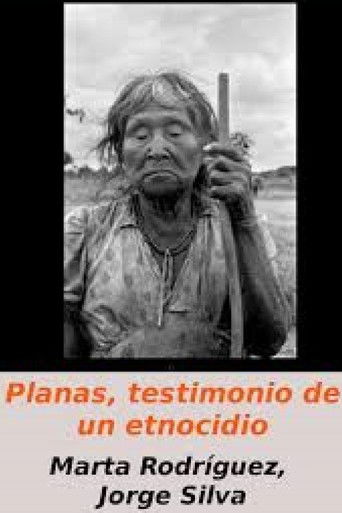
01 Jun 1971
A documentary on the massacre of Planas in the Colombian east plains in 1970. An Indigenous community formed a cooperative to defend their rights from settlers and colonists, but the government organized a military operation to protect the latter and foreign companies.

19 Jun 2020
An investigation of how Hollywood's fabled stories have deeply influenced how Americans feel about transgender people, and how transgender people have been taught to feel about themselves.
25 Sep 2018
Three intrepid women battle for Indigenous women's treaty rights.
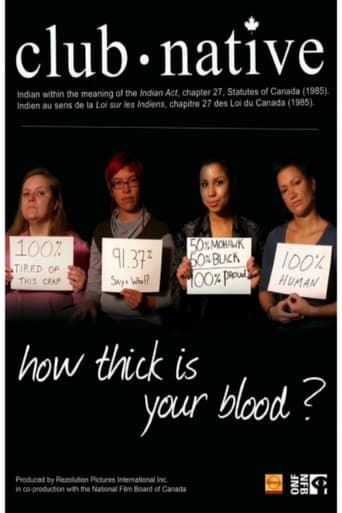
16 Oct 2008
With moving stories from a range of characters from her Kahnawake Reserve, Mohawk filmmaker, Tracey Deer, reveals the divisive legacy of more than a hundred years of discriminatory and sexist government policy to expose the lingering "blood quantum" ideals, snobby attitudes and outright racism that threaten to destroy the fabric of her community.
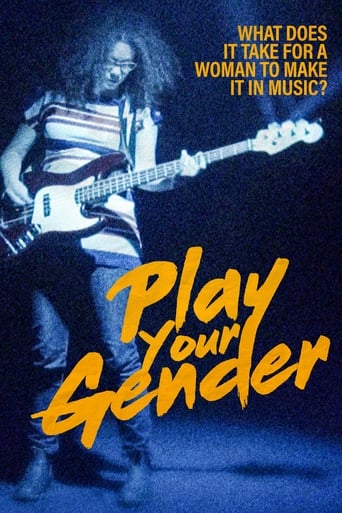
09 Jul 2017
Juno Award-winning musician Kinnie Starr is on a quest to find out why only 5% of music producers are women even though many of the most bankable pop stars are female. What does it take for a woman to make it in music?
22 Apr 2017
The title of this video, taken from the texts of the architect Kengo Kuma, suggests a way of looking at everything as “interconnected and intertwined” - such as the historical and the present and the tool and the artifact. Images and representations of two structures in the Portland Metropolitan Area that have direct and complicated connections to the Chinookan people who inhabit(ed) the land are woven with audio tapes of one of the last speakers of chinuk wawa, the Chinookan creole. These localities of matter resist their reduction into objects, and call anew for space and time given to wandering as a deliberate act, and the empowerment of shared utility.

16 May 2025
Director Malakye Tsosie explores his identity through the Navajo language. A language that is spoken less frequently over the generations. However, the resilience of the language breathes through his journey with a small Navajo radio station, his family relatives, and the people of the Navajo Nation.
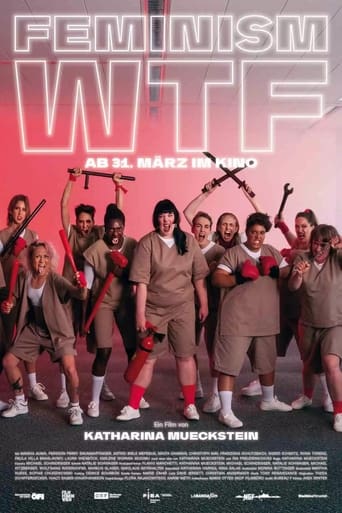
31 Mar 2023
An international topic documentary on feminism and gender equality. The film reflects on current debates and analyses the potential of intersectional feminism to profoundly change our future societies.
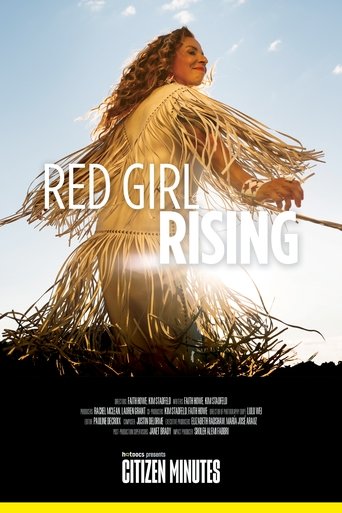
30 Apr 2025
Joyce Jonathan Crone—Mohawk matriarch, retired teacher, activist, humanitarian—reaches forward into her community of Huntsville, Ontario, opening hearts and bridging gaps for Indigenous education.
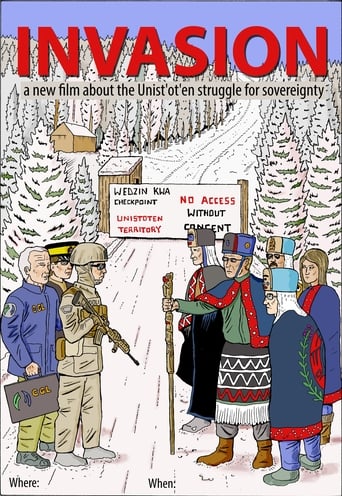
01 Nov 2019
In this era of "reconciliation", Indigenous land is still being taken at gunpoint. INVASION is a new film about the Unist'ot'en Camp, Gidimt'en checkpoint, and the Wet'suwet'en Nation standing up to the Canadian government and corporations who continue colonial violence against indigenous people.
01 Jan 1975
Alanis Obomsawin, a North American Indian who earns her living by singing and making films, is the mother of an adopted child. She talks about her life, her people, and her responsibilities as a single parent. Her observations shake some of our cultural assumptions.
02 Jul 2018
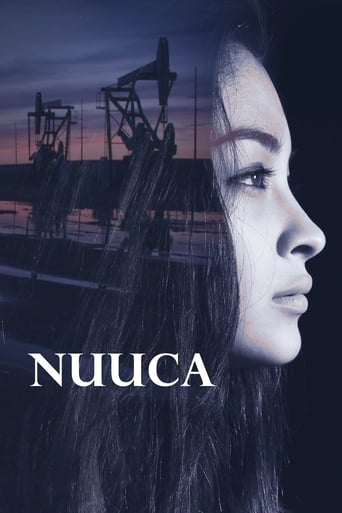
In this evocative meditation, a disturbing link is made between the resource extraction industries’ exploitation of the land and violence inflicted on Indigenous women and girls. Or, as one young woman testifies, “Just as the land is being used, these women are being used.”
15 Nov 1983
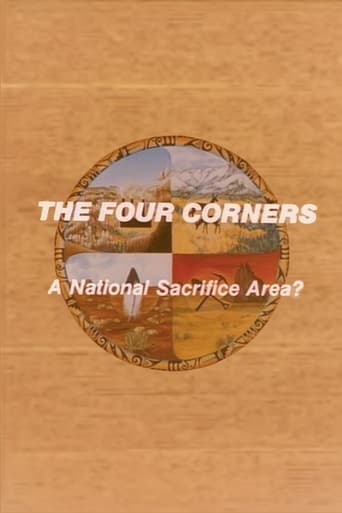
Documents the cultural and ecological impacts of coal stripmining, uranium mining, and oil shale development in Utah, Colorado, New Mexico, and Arizona – homeland of the Hopi and Navajo.
02 Oct 2017
Essence of Healing is a documentary exploring the life journeys of 14 American Indian nurses - their experiences growing up, their experiences in nursing school, and their experiences on the job. They are part of a larger story - a historical line of care and compassion that has run through hundreds of indigenous tribes for thousands of years.
07 Mar 2024
No overview found
15 Jul 2019
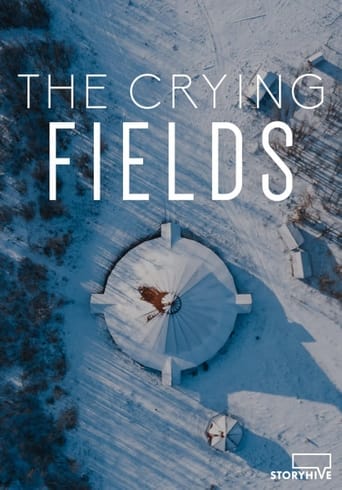
A deep dive into the history of the Canadian Government and the Department of National Defence leasing First Nations reserves as practice bombing ranges during World War I and World War II. This documentary follows the Enoch Cree Nation's process of developing it's land claim against the Canadian Government following the discovery of active landmines in the heart of the nation's cultural lands and golf course in 2014, almost 70 years later.
01 Jan 1975
Mosha Michael made an assured directorial debut with this seven-minute short, a relaxed, narration-free depiction of an Inuk seal hunt. Having participated in a 1974 Super 8 workshop in Frobisher Bay, Michael shot and edited the film himself. His voice can be heard on the appealing guitar-based soundtrack…. Natsik Hunting is believed to be Canada’s first Inuk-directed film. – NFB
15 Sep 1992
A paralysingly beautiful documentary with a global vision—an odyssey through landscape and time—that attempts to capture the essence of life.