01 Jan 1951
Mechanisace dolů
No overview found
Documentary about the emergence of the strike movement in the iron ore mines of Rudňa in Slovakia. The miner Michal Ogurčák introduced a new way of mining iron ore here, overcame initial misunderstandings, and eventually inspired 160 followers to perform striking feats by his example.
Self
Commentary (voice)
01 Jan 1951
No overview found
01 Jan 1952
No overview found
26 May 1939
No overview found
06 Apr 2025
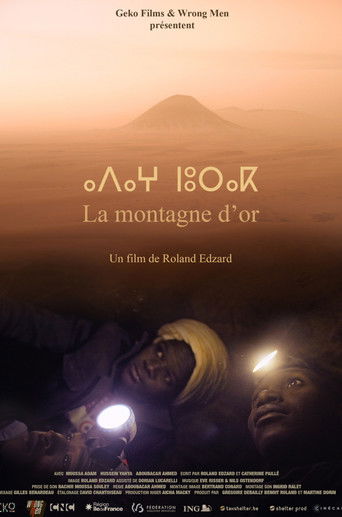
Gold fever has gripped northern Niger. In search of the precious metal, and despite the risks, an army of researchers has invaded the sites of interest. While camps are set up and dismantled as rumours of new leads spread, Moussa and his companions are banking on the Ikazan vein.
01 Jan 1952
No overview found

15 Nov 1983
Documents the cultural and ecological impacts of coal stripmining, uranium mining, and oil shale development in Utah, Colorado, New Mexico, and Arizona – homeland of the Hopi and Navajo.
01 Jan 1951
No overview found
28 Feb 2024
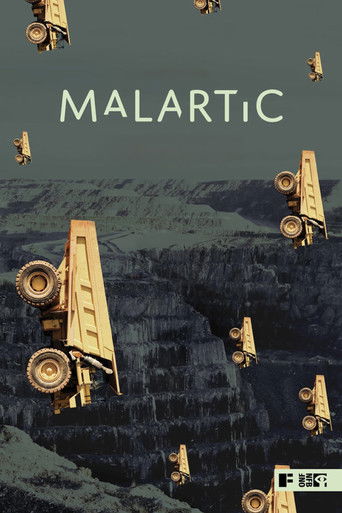
Ten years after an enormous open-pit gold mine began operations in Malartic, the hoped-for economic miracle is nothing more than a mirage. Filmmaker Nicolas Paquet explores the glaring contrast between the town’s decline and the wealth of the mining company, along with the mechanisms of an opaque decision-making system in which ordinary people have little say. Part anthropological study, part investigation into the corridors of power, Malartic addresses the fundamental issue of sustainable and fair land management.
22 Oct 2002
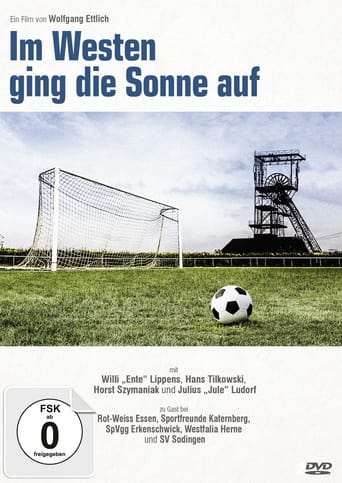
The mining industry, which always had been “sponsor” and “financier” of the soccer clubs in the Ruhr valley during the post-war period, doesn’t exist anymore nowadays in that form. Many of the once glorious clubs which dominated German soccer until the 1970s faded into obscurity without financial backers. The documentary “Im Westen ging die Sonne auf" ("The sun had risen in the west“) shows the history of the “Revierfußball” from after the second World War until the decline of the mining industry and recalls legendary players and forgotten clubs. The film shows especially how deeply rooted the sport was back then in the entire lifestyle of the Ruhr area - in private life as well as in society - and how structural change also left clearly visible marks in sports. With pictures from back then, interviews with contemporary witnesses, and footage of original locations nowadays, a contemporary document of German post-war history, by taking the example of soccer, has been created.
05 Nov 2005
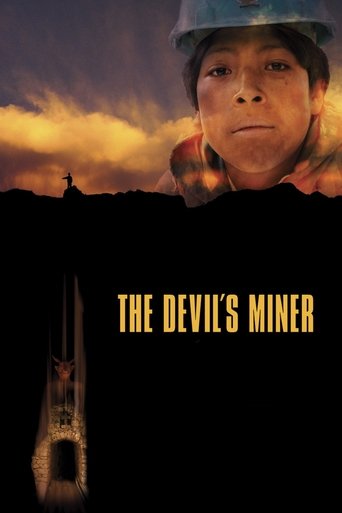
'The Devil's Miner' tells the story of 14-year-old Basilio who worships the devil for protection while working in a Bolivian silver mine to support his family.

23 Jan 1977
This film documents the coal miners' strike against the Brookside Mine of the Eastover Mining Company in Harlan County, Kentucky in June, 1973. Eastover's refusal to sign a contract (when the miners joined with the United Mine Workers of America) led to the strike, which lasted more than a year and included violent battles between gun-toting company thugs/scabs and the picketing miners and their supportive women-folk. Director Barbara Kopple puts the strike into perspective by giving us some background on the historical plight of the miners and some history of the UMWA. Preserved by the Academy Film Archive in partnership with New York Women in Film & Television in 2004.
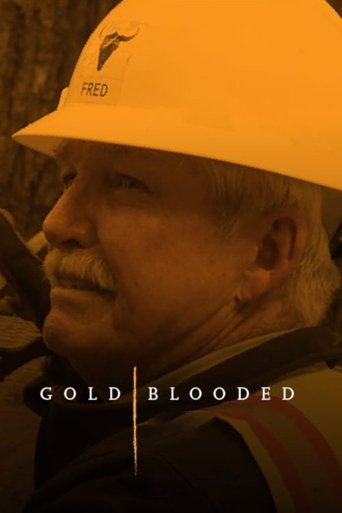
07 Feb 2018
Dakota Fred Hurt, Dustin Hurt and the Richardson brothers battle nature, time, and death itself to strike gold under a huge waterfall. This film documents what Fred and Dustin were up to since they left Discovery's GOLD RUSH, and it's the prequel to Discovery's new show starring this team called GOLD RUSH: WHITE WATER.
09 Jan 1990
Acid rain, economic development, and a century of mining pollute Rocky Mountain waters.
27 Jan 2015
Documentary about a Finnish mining company struggling with production and environmental management problems.
19 May 2019
Newly into addiction recovery, an urgent threat emerges to spur filmmaker, Mark Titus back to the Alaskan wilderness - where the people of Bristol Bay and the world's last intact wild salmon runs face devastation if a massive copper mine is constructed.

01 Jan 1967
This short documentary film is a fascinating portrait of urban and rural Quebec in the late 1960s, as the province entered modernity. The collective work produced for the Quebec Ministry of Industry and Commerce calls on several major Quebec figures.
16 Nov 1984
A docudrama on the closing of the town of Schefferville. When Raoul loses his job at the mine because the operations are ending, he's been settled there for ten years with Carmen and their son. They're now forced to leave the town, leaving behind the traces of an ephemeral prosperity.
23 Mar 1972
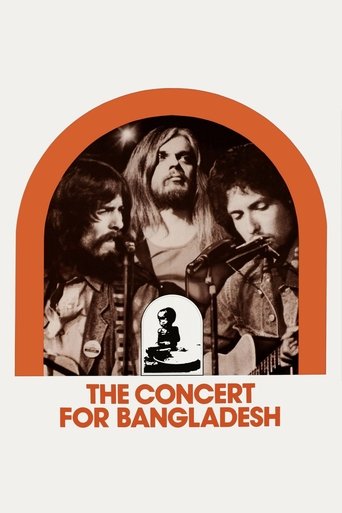
A film about the first benefit rock concert when major musicians performed to raise relief funds for the poor of Bangladesh. The Concert for Bangladesh was a pair of benefit concerts organised by former Beatles guitarist George Harrison and Indian sitar player Ravi Shankar. The shows were held at 2:30 and 8:00 pm on Sunday, 1 August 1971, at Madison Square Garden in New York City, to raise international awareness of, and fund relief for refugees from East Pakistan, following the Bangladesh Liberation War-related genocide.
20 Nov 2007
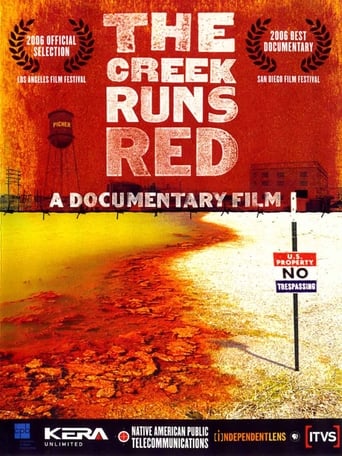
The town of Picher, Oklahoma, was once home to the world's richest lead and zinc mining field. After decades of mining, towering piles of mine waste covered 25,000 acres, devastating Quapaw tribal lands and local economies. Acid mine water burned nearby Tar Creek and stained it red. Despite these environmental hazards, many people in Picher desperately wished to stay and revitalize their town.
01 Jan 1995
Yirrkala is an Aboriginal township on the Gove Peninsula in Northeast Arnhem Land. It was established as a Methodist mission in 1935 and over the years Yolngu from many different clans moved there. Conversations With Dundiwuy Wanambi is a personal film which reveals something of the struggles and thoughts of one elder in the face of enormous change. In the early years Dundiwuy was a heavy drinker. In a disturbing interview in a pub, Dundiwuy explains his reasons for drinking. Then, through a dream, Dundiwuy realizes he must begin to protect his family and clan. He establishes his Marrakulu clan homeland center at Gurka'wuy, south of Yirrkala. He will hold a great ceremony there. Years later Dundiwuy returns to Yirrkala. His clan is small and he did not receive the necessary support from his sons. But Dundiwuy endures, continues his struggle, and we learn in the post-script of how he has become a successful and sought-after artist.