26 Oct 2017
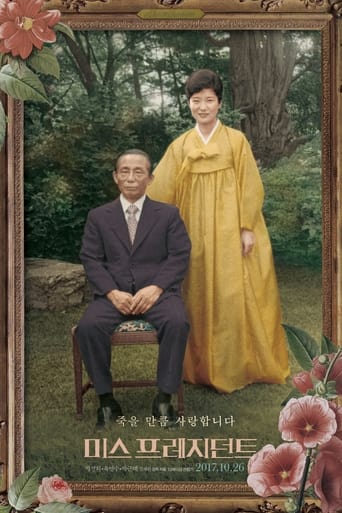
Mis-President
My father led a coup in 1961. Two years later, I became the president's daughter.
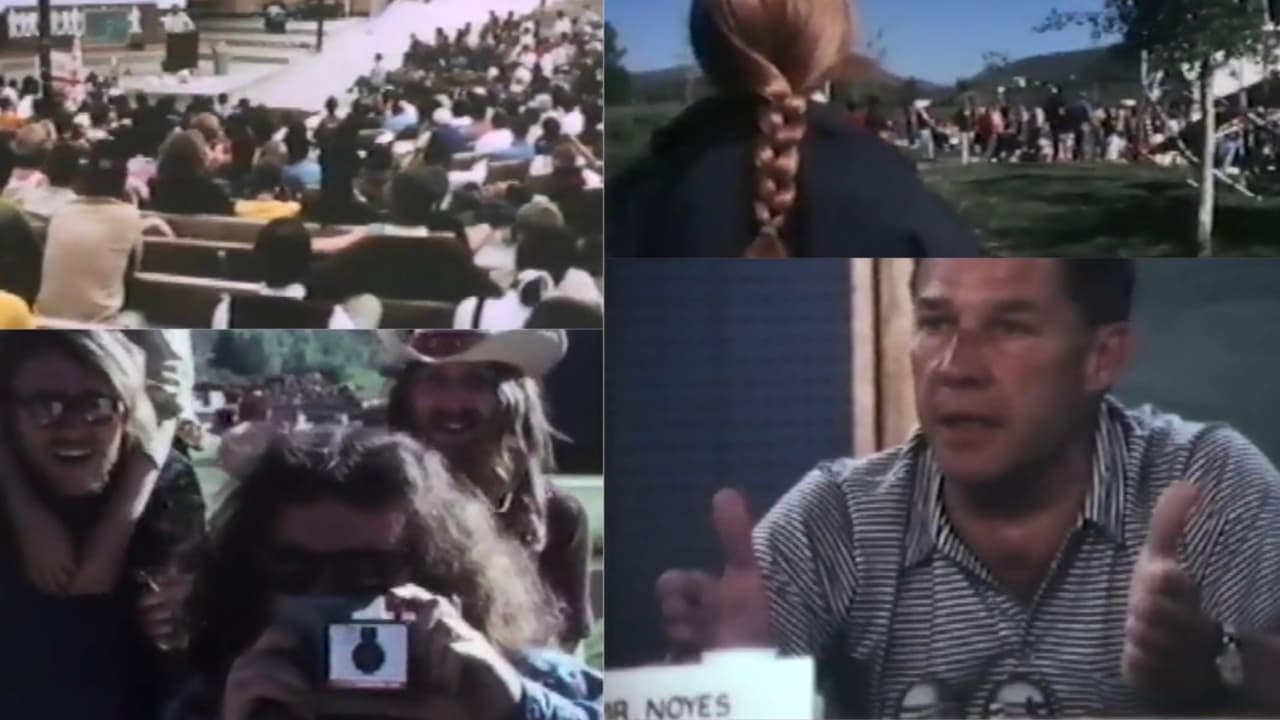
A compilation of conferences/debates between renowned designers, environmental activists, and students on the concept of design. Held in Aspen, Colorado, USA.
26 Oct 2017
My father led a coup in 1961. Two years later, I became the president's daughter.
06 Apr 2006
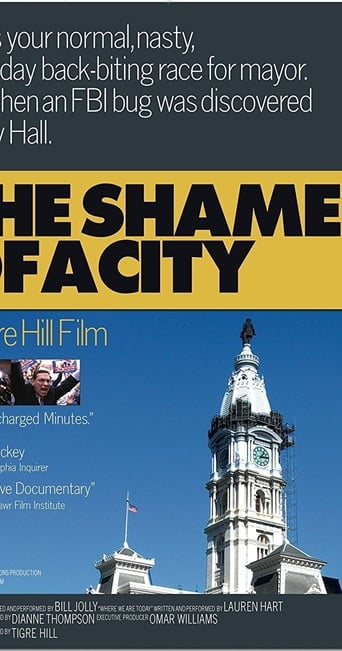
In 1904, author Lincoln Steffens wrote, Philadelphia is a city that is corrupt and contented. In 2003 filmmaker Tigre Hill chronicled the Philadelphia mayoral race between Democrat incumbent mayor, John Street and Republican challenger Sam Katz. Early polls showed Katz with a small lead. Hill had inside access to the Katz campaign and although rebuffed by the Street campaign, managed to get footage. Twenty-seven days before the election an FBI bug was found in the mayor s office. It looked like 1904 all over again-blatant corruption. The discovery of the bug at first seemed like a death knell to the Street campaign and a near certain victory for Katz. How did the mayor react to the bug? This powerful documentary shows how-drum up support by polarizing the electorate.
01 Jan 2006
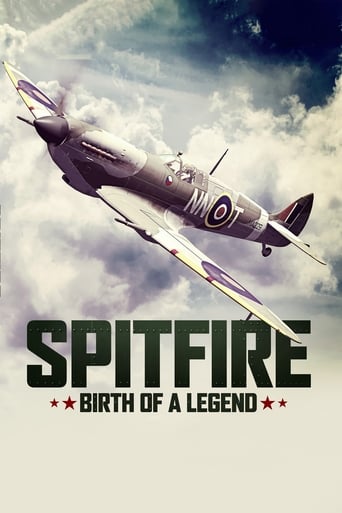
‘Spitfire— Birth of a Legend‘ tells the story of the Spitfire from a radical design on the drawing board to the fighter aircraft that became the symbol of Britain’s determination to fight on to victory. It celebrates the history of this acclaimed aircraft, the men who designed and built it, and those who flew and fought in it. The story, along with dramatic archive and colour film of aerial combat, graphically illustrates the appeal and fascination the Spitfire has maintained since it faced and fought the fighter and bomber formations of the Luftwaffe.
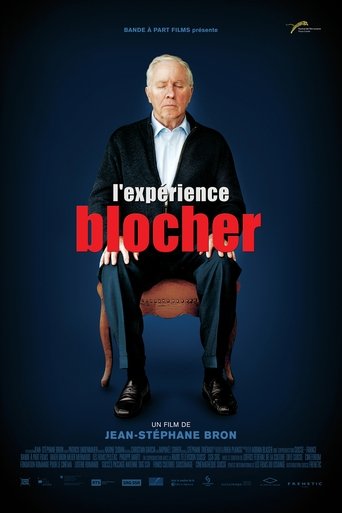
19 Feb 2014
The Blocher Experience tells the story of Switzerland’s most controversial political leader. It also chronicles the face-to-face encounter between a film-maker and a man of power, through a year of exclusive, up-close interviews and access to his private life.
28 Apr 2024
After the Robb Elementary school shooting in Texas, local Uvalde Leader-News journalists are left to report on the fallout – and on one of their staff members. Reporter Kimberly Rubio rises to national prominence as an advocate for gun reform after her ten-year-old daughter, Lexi, is killed in the shooting. Through the journalists’ reporting, we witness the social fabric of this small Texas town unravel as Kimberly and other victims’ families search for accountability from law enforcement and local leaders. The documentary also shines a light on the critical role of community journalism, at a time when local newspapers are folding rapidly across the country.
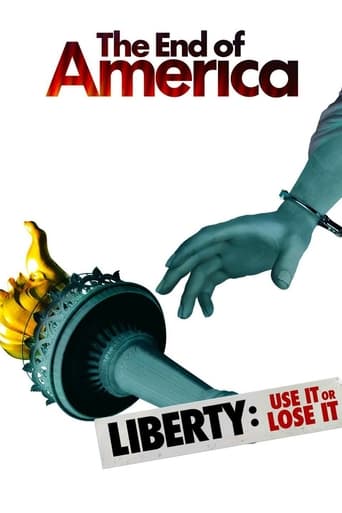
01 Jan 2008
Based on her book of the same name, Naomi Wolf presents controversial evidence that America has begun a frightening descent into dictatorship and fascism. American democracy, as we know it, is under attack. By examining the chilling parallels between the current state of our nation and the ascent of dictators and fascism in other once-free societies, Wolf urges viewers to open their eyes to the horrors that lie ahead. From the increased use of paramilitary groups to the construction of secret prisons and the targeted suspension of the rule of law, the warning signs are all there for people to wake up and finally take notice.
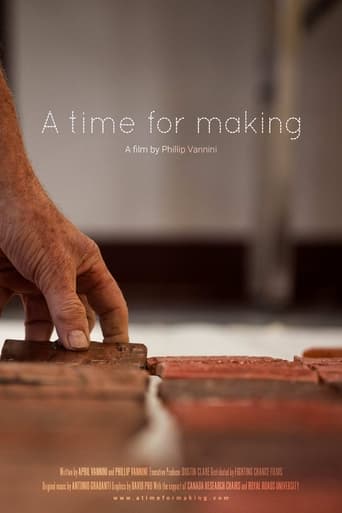
27 Oct 2018
Nine artisans on secluded Gabriola Island reveal the differences between mass manufactured and authentic locally handmade through intimate portraits of their work and lifestyle.
12 Dec 2012
The purpose of Rise Above the Mark, narrated by Peter Coyote, is to educate the general public about the “corporate takeover” of Indiana public schools and what parents, community members and educators can do to protect their local public schools. Legislators are calling the shots and putting public schools in an ever-shrinking box. WLCSC Board of School Trustees and Superintendent of Schools, Rocky Killion, want to secure resources and legislative relief necessary to achieve the school district’s mission of creating a world-class educational system for all children. The school district’s strategic plan will introduce a model of education that puts decision making back into the hands of local communities and public school teachers, rather than leaving it in the hands of legislators and ultimately lining the pockets of corporations.
18 Feb 2020
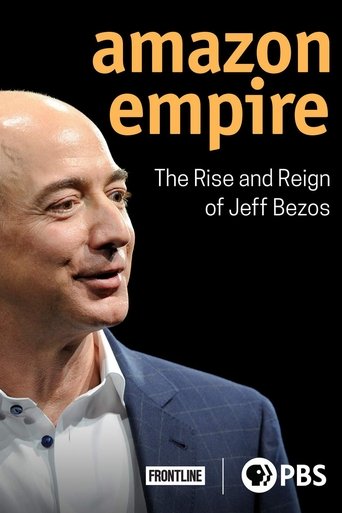
Jeff Bezos is not only one of the richest men in the world, he has built a business empire that is without precedent in the history of American capitalism. His power to shape everything from the future of work to the future of commerce to the future of technology is unrivaled. As politicians and regulators around the world start to consider the global impact of Amazon — and how to rein in Bezos’ power — FRONTLINE investigates how he executed a plan to build one of the most influential economic and cultural forces in the world.
18 Jun 2017
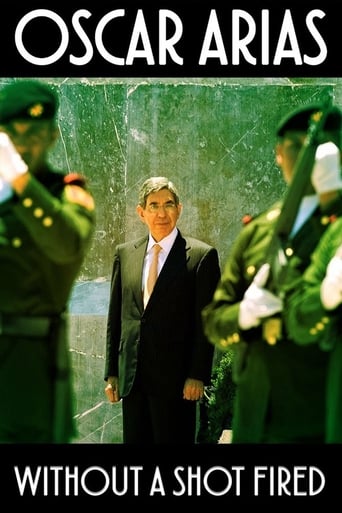
This is the story of a tiny country that made a decision to do something that no other country had ever done -- it decided to abolish its army and declare peace to the world. And this is the story of a young boy who grew up in that country, and how he ended up challenging -- and sometimes even convincing -- the greatest powers in the world to follow Costa Rica's example. "Oscar Arias: Without a Shot Fired" is a Don Quixote-like saga with great historical touchstones -- Ronald Reagan and Mikhail Gorbachev, Cold War politics and Communism, Central American War and Peace. It follows a slight, academic, and most unlikely hero over the course of more than fifty years, as he travels the world in a quest to stop the spread of the weapons of war. In the end, it is a story about the triumph of reason, of the sparrow triumphing over the eagle, and how the impossible dream can sometimes come true.
17 Feb 2019
Something in the Air is a one hour documentary that shows new risks in the most essential element for survival – air – that affect our brains, our DNA, and how new technology is changing the equation for the better.
14 May 2024
A documentary on assisted suicide, authored by actor and disability rights activist Liz Carr.
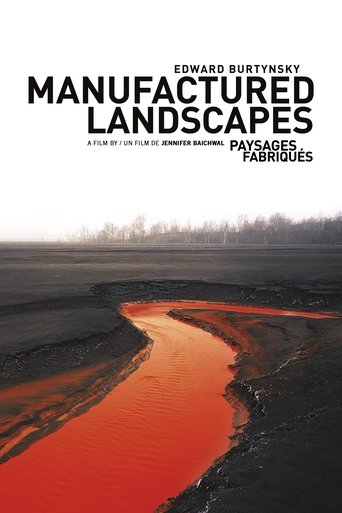
09 Sep 2006
MANUFACTURED LANDSCAPES is the striking new documentary on the world and work of renowned artist Edward Burtynsky. Internationally acclaimed for his large-scale photographs of “manufactured landscapes”—quarries, recycling yards, factories, mines and dams—Burtynsky creates stunningly beautiful art from civilization’s materials and debris.
06 Apr 1992
From the behavior, discourse, and appearance of individual actors, Vachek composes, in the form of a mosaic, a broad and many-layered film-argument about Czechoslovak democracy in the period of its rebirth, all administered with the director’s inimitable point of view.
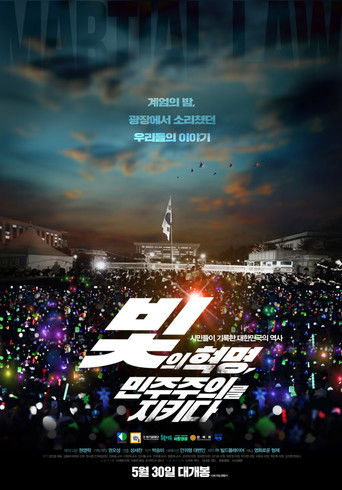
30 May 2025
No overview found
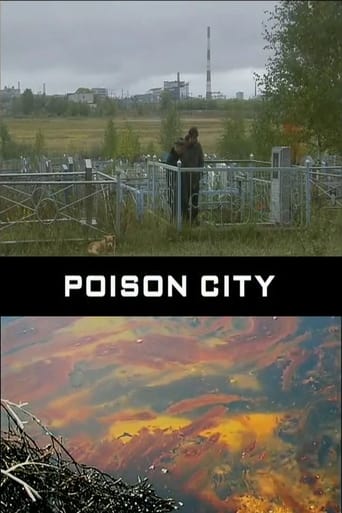
09 Mar 2003
Dzerzhinsk, a Russian city 240 miles east of Moscow, is considered the most chemically polluted town on Earth. Factories producing industrial chemicals (and in Soviet times, chemical weapons) employ a quarter of the 300,000 residents in a city where life expectancy has fallen to 42-47 years, the death rate is 2.6 times higher than the birth rate, and the men are close to impotence. Reporter Tim Samuels recorded a series of in-depth interviews with the inhabitants of Dzerzhinsk for the Correspondent strand, revealing what life is like for the beleaguered populace.
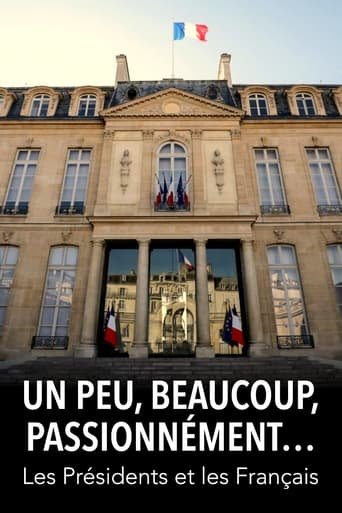
02 Oct 2019
No overview found
01 Jan 2007
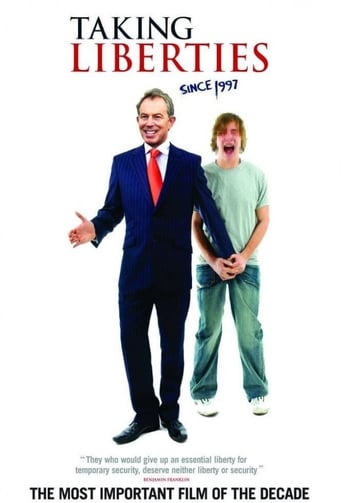
Taking Liberties Since 1997is a documentary film about the erosion of civil liberties in the United Kingdom and increase of surveillance under the government of Tony Blair. It was released in the UK on 8th June 2007. The director, Chris Atkins, said on 1 May that he wanted to expose "the Orwellian state" that now threatened Britain as a result of Mr Blair's policies.
03 Nov 1993
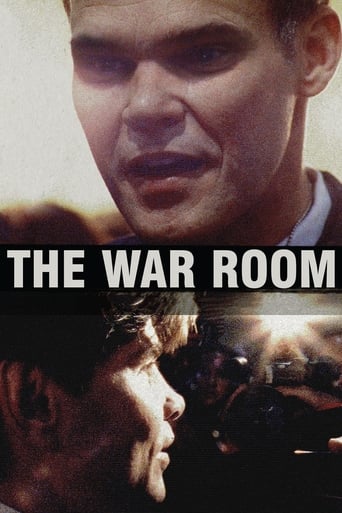
A behind-the-scenes documentary about the Clinton for President campaign, focusing on the adventures of spin doctors James Carville and George Stephanopoulos.

04 Oct 2023
Deeply thoughtful and illuminating, DRAWING A LIFE reveals the details of artist Geoff McFetridge’s life and work while delving further into the universal questions of what makes a fulfilling life and how to live with intention in the limited time we all have.