17 Dec 2020
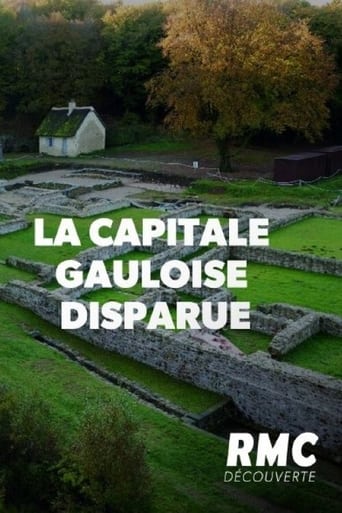
La capitale gauloise disparue
No overview found

Art and science have worked together to allow cinema to switch to color. Numerous processes have succeeded one another to try to solve this difficulty.

Narrator
17 Dec 2020
No overview found
07 Oct 2019
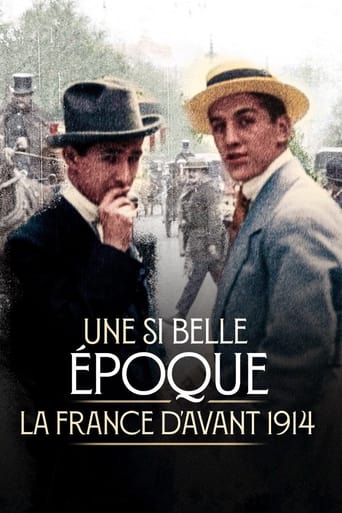
In 1900, the eyes of the whole world are on Paris. The World's Fair welcomed 50 million amazed visitors, and the city celebrated itself in a glamorous era. This period went down in history as the "Belle Époque." Elaborately restored and colorized historical photographs bring to life the exciting life in Paris between the end of the 19th century and the beginning of World War I in 1914. Bicycles, cars, airplanes, moving pictures, newly founded film studios, revolutionary composers and painters, avant-garde ballet performances, fashion houses, summer resorts on the Atlantic coast – life was intoxicating. People celebrate in the variety shows, cabarets, and revue theaters of Paris. Moulin Rouge, Folies Bergères, Bal Tabarin—in Paris, the nights are long and life is too short to sleep through. It is a dance on the volcano, given the political developments in the world.

06 Dec 2021
In 1519, Portuguese explorer Fernand de Magellan and his men embarked on an expedition that would forever change the way we see the world. Like Christopher Columbus before him, he set out in search of a western sea route to Asia's legendary Moluccan archipelago.
11 Nov 2020
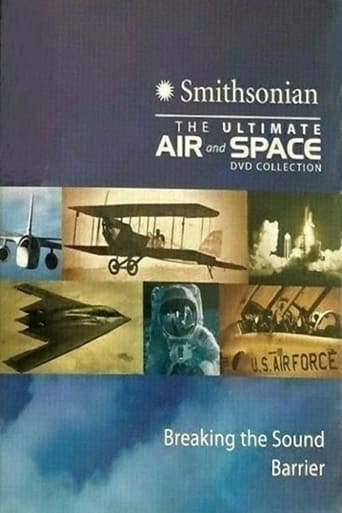
On October 14, 1947, Captain Chuck Yeager accomplished what many thought was impossible: he broke the sound barrier and in doing so, changed aviation history forever. Behind this remarkable achievement was a dedicated team of rocket scientists and engineers, and one incredible plane, a Bell X-1 named "Glamorous Glennis." This is the story of the plane and the people who dared to travel faster than the speed of sound, pushing flight science forward and proving that no matter the barrier, humanity can find a way to break through.

14 Oct 2016
No overview found
05 Dec 2020
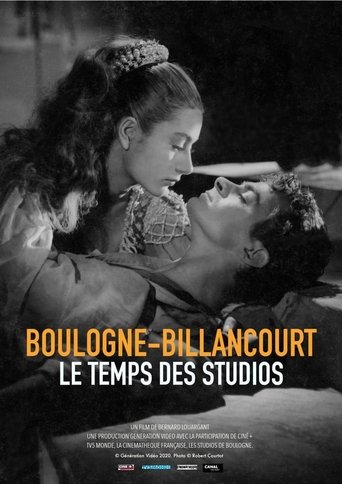
Since 1922, Boulogne-Billancourt cinema studios have welcomed the greatest actors, directors and technicians of French cinema and have given birth to many masterpieces.
17 May 2021
In the heart of central Europe are some of the world’s most impenetrable military strongholds. In France, 160 megastructure fortresses still line the country’s borders 3 centuries after they were constructed. As solid as ever, how did they withstand attack after attack? Was the secret in their materials? Their shape? In fact, the strength and resilience of these megastructures is due to the genius of one man: Sébastien le Prestre de Vauban.
10 Apr 2012
No overview found
11 Feb 2011
No overview found
20 Nov 1936
A strange film as beautifully jumbled as the political environment out of which it sprang, like a handsome weed, "Son of Mongolia" is a travelogue of unique and authentic richness, an amusing Far Eastern horse opera of picaresque character, and a scientifically valuable anthropological document in which the Soviet film industry may well take pride. Objective and modern, yet permeated with a fresh folk quality that goes back to the reckless and lovely Tartary of Genghis Khan, it rises above all its inescapable Soviet-isms into a new frontier region of plains, mountains, tents and herds, a world still appreciably beyond the range of Western cameras.

10 Mar 2020
A troubled teen crosses paths with a charismatic, dangerous stranger and it becomes the worst decision in both of their lives.
08 Nov 1934
Produced by the Fox Movietone News arm of Fox Film Corporation and based on the book by Lawrence Stallings, this expanded newsreel, using stock-and-archive footage, tells the story of World War I from inception to conclusion. Alternating with scenes of trench warfare and intimate glimpses of European royalty at home, and scenes of conflict at sea combined with sequences of films from the secret archives of many of the involved nations.
01 Jan 1966
Combining the forces of two of the 20th century's greatest musicians - Yehudi Menuhin and Herbert von Karajan in their only recorded performance together - this magnificent programme marks a high point in filmed classical music, directed by master filmmaker and long-time Karajan collaborator Henri-Georges Clouzot. Herbert von Karajan conducts the Wiener Symphoniker and the Berliner Philharmoniker in performances of Mozart's Violin Concerto No. 5, and Dvorak's Symphony No. 9, filmed in 1966 by film director Henry-Georges Clouzot.
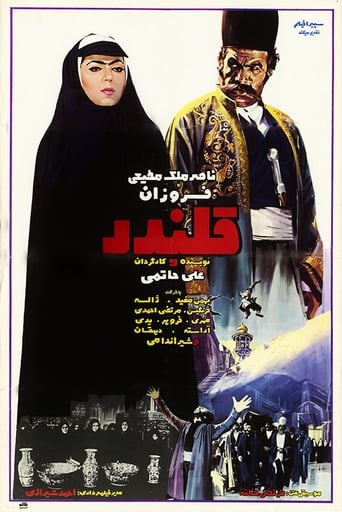
01 Apr 1972
Ghalandar feels bothered by the suitors wooing for his sister Eshrat. But for a secret reason he does not want to marry her off. As a way out, he asks his trusted friend Sadegh to marry his sister, but warns him about making love with her. Sadegh tries to keep his promise, but when he leaves his wife immediately after the wedding ceremony for the capital, Eshrat follows and joins him and his mother. Unable to bear with the taunts of mother, Sadegh eventually breaks his oath and takes his legal wife to bed. Informed of this betrayal, Ghalandar waylays Sadegh at a dark night and stabs him to death. Eshrat, suspecting who is behind this murder, flees and joins a whorehouse, intent to exact her revenge by staining the name of his so-far respectable brother...
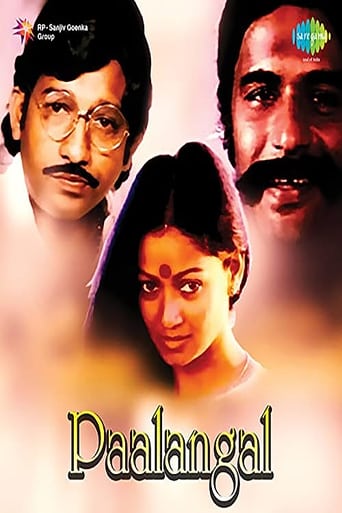
25 Jun 1981
Usha (Zarina Wahab) comes to her sister's house for relief from a terrible tragedy of her life which is the accidental death of her lover Ravi played by Shankar. In the new place, she meets Ramankutty, played by Nedumudi Venu, who is the friend of Vasu Menon (Bharath Gopi), husband of her sister. Their friendship eventually turns into love, but Ramankutty's mother does not allow this proposal. Usha slowly realizes that Vasu Menon's feelings for her are wayward, but she does not tell her sister as she fears that this will ruin their family. So Usha decides to go back to her home, on the way she meets Ramankutty, who has convinced his mother about marrying Usha.