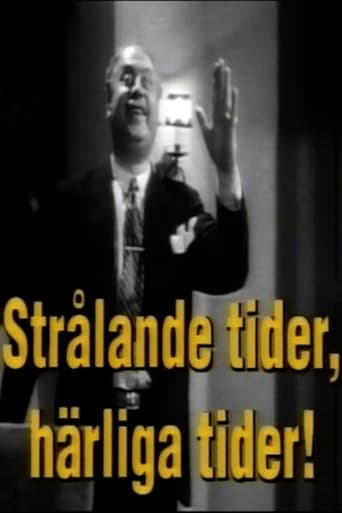
22 Nov 1992
Thor Modéen: Strålande tider, härliga tider!
Portrait documentary of the Swedish comedic actor Thor Modéen full of clips from his greatest roles.
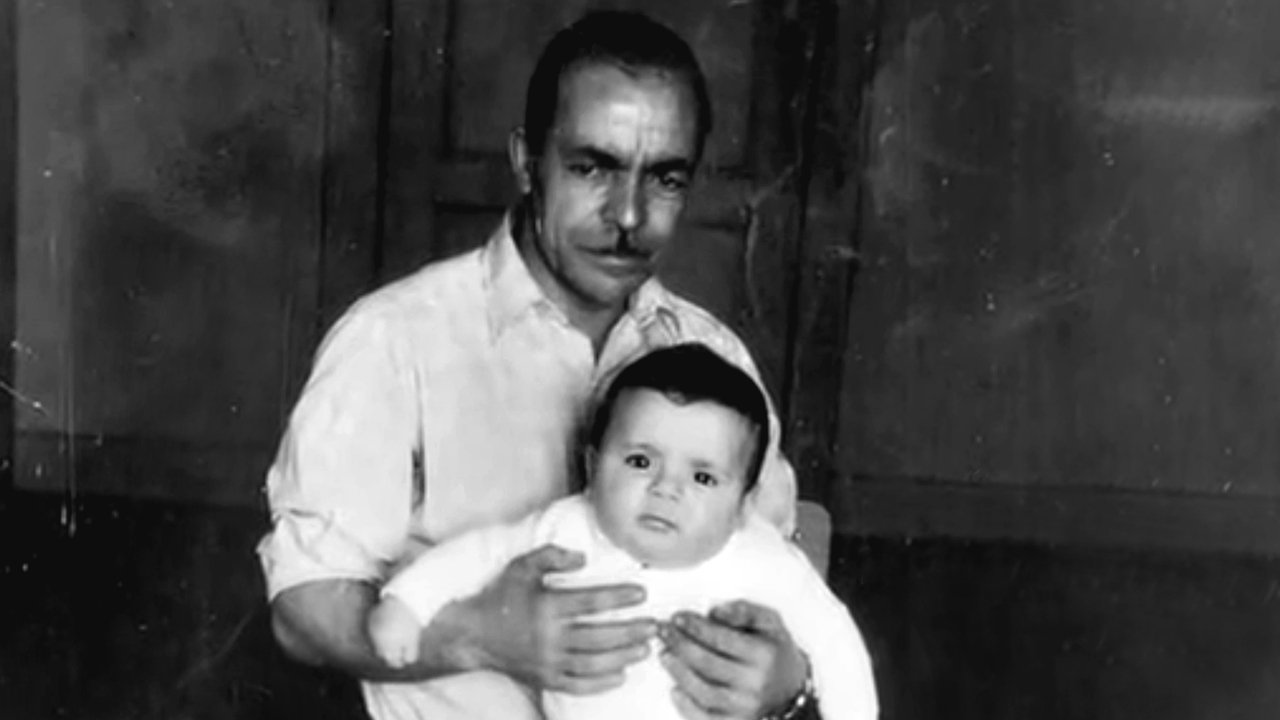
22 Nov 1992
Portrait documentary of the Swedish comedic actor Thor Modéen full of clips from his greatest roles.
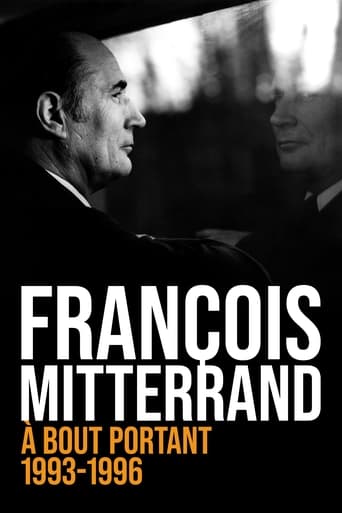
10 May 2011
"What could be more unsettling than a man close to death whose profound arrogance drives him relentlessly to hang onto both his power and his writing, to the bitter end?" In the twilight of his second seven-year term, François Mitterrand was alone. Ravaged by illness and abandoned by a large majority of the Socialist Party, who would not forgive him for the disastrous outcome of the March 1993 elections, the Head of State was preparing to tackle a second round of cohabitation with the right wing. However a series of unexpected tragedies and revelations would arise, casting a shadow over the end of his reign…
08 Dec 2022
No overview found
01 Jan 2018
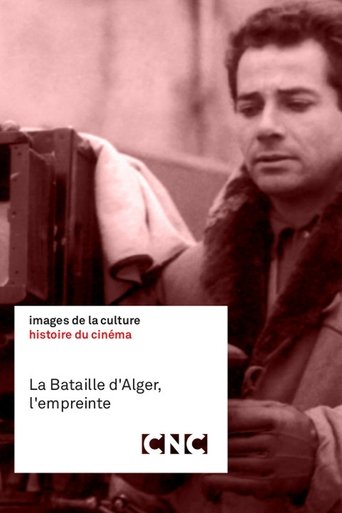
Cheikh Djemaï looks back on the genesis of Gillo Pontecorvo’s feature film, The Battle of Algiers (1965). Through archive images, extracts from the film and interviews with personalities, the filmmaker retraces the journey of a major work - from the events of the Algiers Casbah (1956-1957) to the presentation of the Lion of 'Or causing the anger of the French delegation in Venice - which left its mark as much in the history of cinema as in that of Algeria.
03 Jan 2020
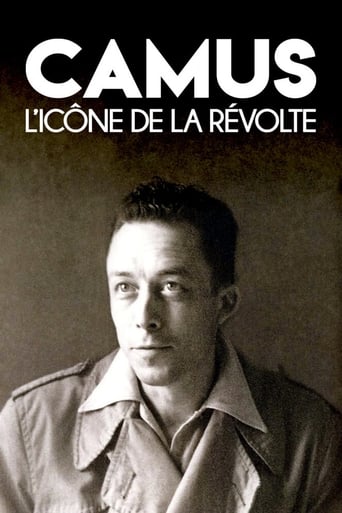
Albert Camus, who died 60 years ago, continues to inspire defenders of freedom and human rights activists around the world today. The Nobel Prize winner for literature is one of the most widely read French-language writers in the world. He continues to embody the rebellious man who opposes all forms of oppression and tyranny while refusing to compromise his human values.
03 Sep 2017
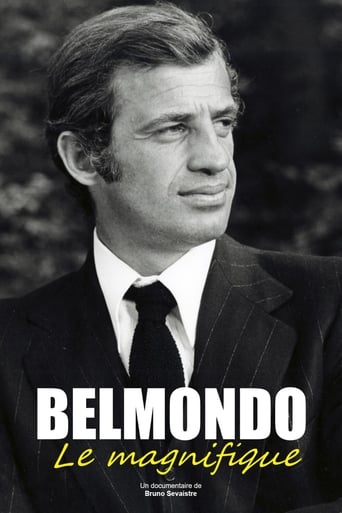
With more than 70 films and 160 million cumulative tickets in France, Jean-Paul Belmondo is one of the essential stars of French cinema.
01 Aug 2004
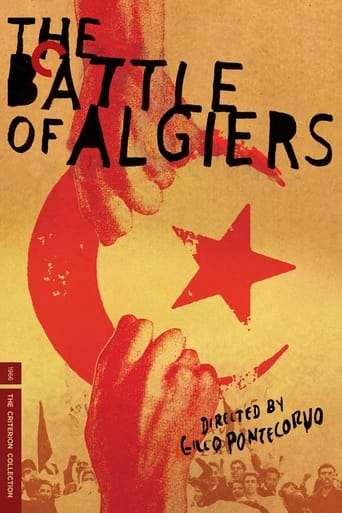
This 17-minute documentary is featured on the 3-Disc Criterion Collection DVD of The Battle of Algiers (1966), released in 2004. An in-depth look at the Battle of Algiers through the eyes of five established and accomplished filmmakers; Spike Lee, Steven Soderbergh, Oliver Stone, Julian Schnabel and Mira Nair. They discuss how the shots, cinematography, set design, sound and editing directly influenced their own work and how the film's sequences look incredibly realistic, despite the claim that everything in the film was staged .
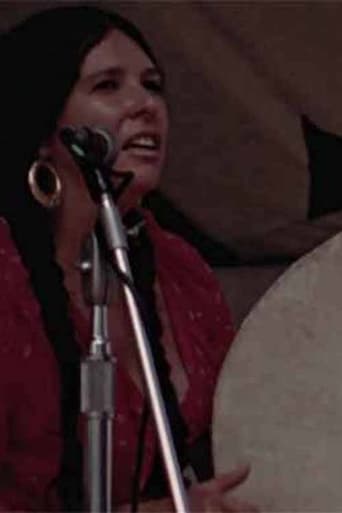
01 Jan 1975
Alanis Obomsawin, a North American Indian who earns her living by singing and making films, is the mother of an adopted child. She talks about her life, her people, and her responsibilities as a single parent. Her observations shake some of our cultural assumptions.
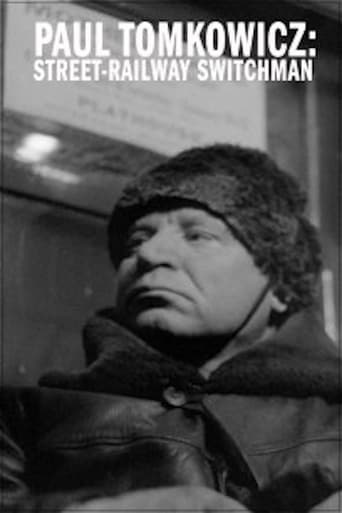
02 Jan 1953
In this film, Paul Tomkowicz, Polish-born Canadian, talks about his job and his life in Canada. He compares his new life in the city of Winnipeg to the life he knew in Poland, marvelling at the freedom Canadians enjoy. In winter the rail-switches on streetcar tracks in Winnipeg froze and jammed with freezing mud and snow. Keeping them clean, whatever the weather, was the job of the switchman.
26 Sep 2005
No overview found
01 Jan 1994
On March 29, 1947, peasants armed with sticks and knives attacked the French garrisons in Madagascar. The revolt would end twenty months later with the death of the last insurgents, shot down by the expeditionary force. France, accustomed to memory lapses, knew nothing of this insurrection and its trail of torture and abuses. In Madagascar, well after independence, the events of 1947 were never discussed. For more than a generation, parents refused to speak of them to their children. It wasn't until the 1980s that the silence was broken.
27 Mar 2017
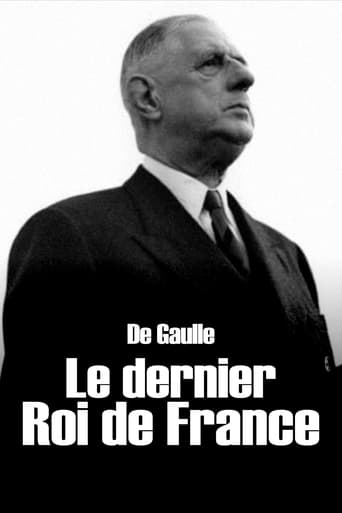
Charles de Gaulle, the first president (1958-1969) of the Vth Republic, France’s current system of government, left his mark on the country . He was statesman of action and has been compared to a monarch. This film depicts the general’s personality through the great events of his presidential term, at a time when the world was undergoing considerable changes.
11 Feb 2009
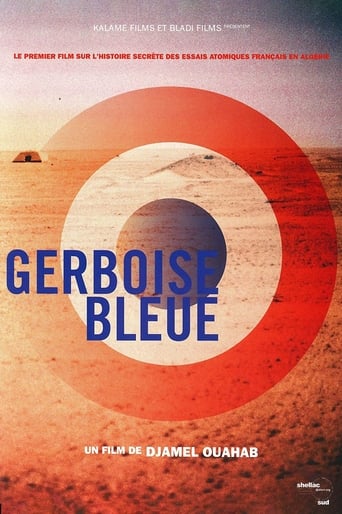
"Gerboise bleue", the first French atomic test carried out on February 13, 1960 in the Algerian Sahara, is the starting point of France's nuclear power. These are powerful radioactive aerial shots carried out in areas belonging to the French army. Underground tests will follow, even after the independence of Algeria. From 1960 to 1978, 30,000 people were exposed in the Sahara. The French army was recognized recognized nine irradiations. No complaint against the army or the Atomic Energy Commission has resulted. Three requests for a commission of inquiry were rejected by the National Defense Commission. For the first time, the last survivors bear witness to their fight for the recognition of their illnesses, and revealed to themselves in what conditions the shootings took place. The director goes to the zero point of "Gerboise Bleue", forbidden access for 47 years by the Algerian authorities
01 Jan 2020
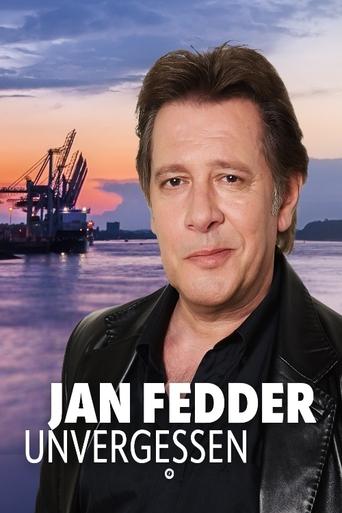
His signature roles were the edgy North German characters: Jan Fedder was one of the most popular actors in the North. He was one of the most popular actors, a real guy with rough edges and a lot of heart: Jan Fedder. He was already on stage as a child and had his first acting lessons at the age of 13. He knew early on what he wanted: to become an actor. Antje Althoff's film traces his life and career, showing his incorrigible nature, an endearing symbiosis of a big mouth and a similarly big heart.
12 Nov 2023
No overview found
24 Aug 2017
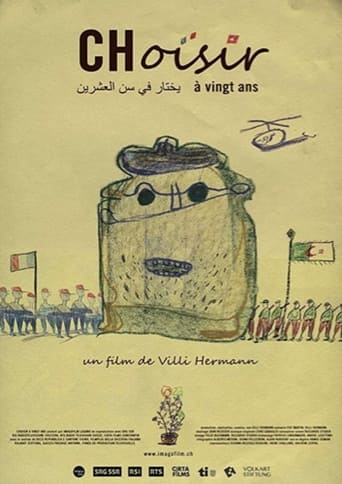
Between 1954-1962, one hundred to three hundred young French people refused to participate in the Algerian war. These rebels, soldiers or conscripts were non-violent or anti-colonialists. Some took refuge in Switzerland where Swiss citizens came to their aid, while in France they were condemned as traitors to the country. In 1962, a few months after Independence, Villi Hermann went to a region devastated by war near the Algerian-Moroccan border, to help rebuild a school. In 2016 he returned to Algeria and reunited with his former students. He also met French refractories, now living in France or Switzerland.
25 Sep 2020
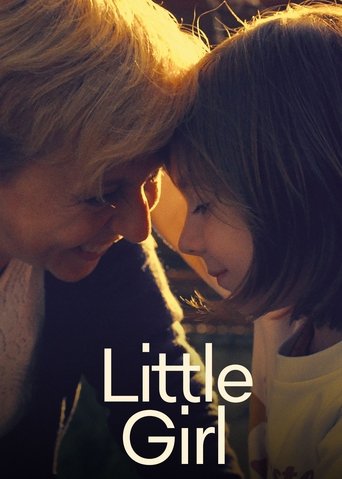
7-year-old Sasha has always known that she is a girl. Sasha’s family has recently accepted her gender identity, embracing their daughter for who she truly is while working to confront outdated norms and find affirmation in a small community of rural France.
17 Dec 1963
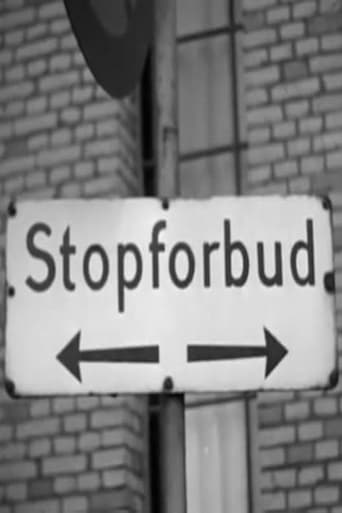
Stop for Bud is Jørgen Leth's first film and the first in his long collaboration with Ole John. […] they wanted to "blow up cinematic conventions and invent cinematic language from scratch". The jazz pianist Bud Powell moves around Copenhagen -- through King's Garden, along the quay at Kalkbrænderihavnen, across a waste dump. […] Bud is alone, accompanied only by his music. […] Image and sound are two different things -- that's Leth's and John's principle. Dexter Gordon, the narrator, tells stories about Powell's famous left hand. In an obituary for Powell, dated 3 August 1966, Leth wrote: "He quite willingly, or better still, unresistingly, mechanically, let himself be directed. The film attempts to depict his strange duality about his surroundings. His touch on the keys was like he was burning his fingers -- that's what it looked like, and that's how it sounded. But outside his playing, and often right in the middle of it, too, he was simply gone, not there."
22 Oct 2019
No overview found
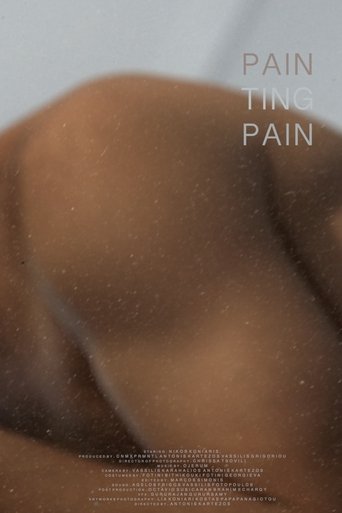
06 Jul 2021
The film approaches the work of the Greek artist Nikos Koniaris. The particular way in which the painter depicts human suffering is presented through a film - a hybrid of real recording and directed material. The grief, the sick body, is reflected in self portraits, portraits of dying strangers and paintings of dead models. The paintings, apart from his work, also express a different version of himself. All together contribute to the depiction of man as a "garment of pain".