24 Apr 2012
Sind wir bald zu viele?
No overview found
Earth's environmental crisis--brought about by uncontrolled technological progress--is endangering life on a global scale. At the core of the threats to the planet - wars, overpopulation, pollution, and the depletion of natural resources - is the inadequacy of the nation state to come to terms with the surmounting problems of twentieth century living. What is urgently needed is the kind of international cooperation where nation states relinquish part of their sovereignty to a world body entrusted with the management of mankind's future.

Self - Narrator

Self - Narrator / Host
Self

Self
24 Apr 2012
No overview found
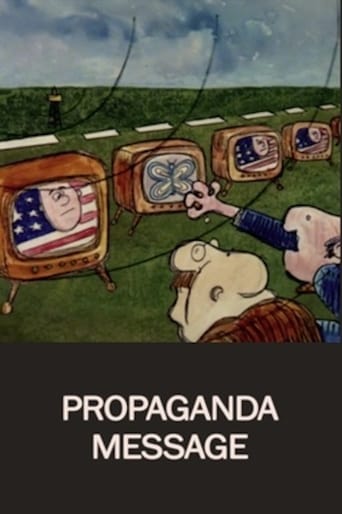
01 Jan 1974
A cartoon film about the whole heterogeneous mixture of Canada and Canadians, and the way the invisible adhesive called federalism makes it all cling together. That the dissenting voices are many is made amply evident, in English and French. But this animated message also shows that Canadians can laugh at themselves and work out their problems objectively.
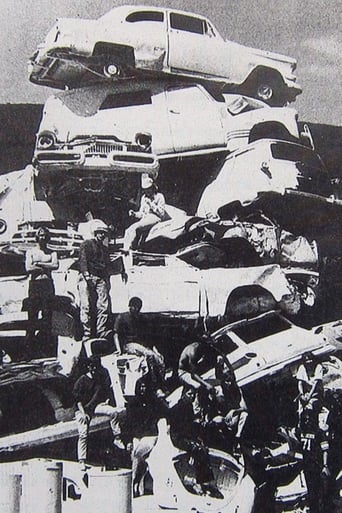
01 Jan 1970
A compilation of conferences/debates between renowned designers, environmental activists, and students on the concept of design. Held in Aspen, Colorado, USA.
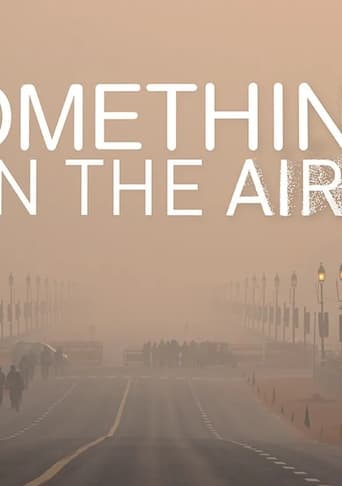
17 Feb 2019
Something in the Air is a one hour documentary that shows new risks in the most essential element for survival – air – that affect our brains, our DNA, and how new technology is changing the equation for the better.
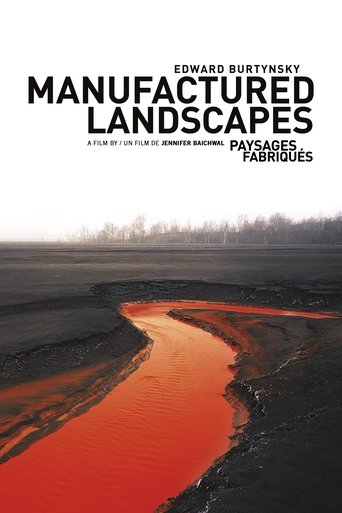
09 Sep 2006
MANUFACTURED LANDSCAPES is the striking new documentary on the world and work of renowned artist Edward Burtynsky. Internationally acclaimed for his large-scale photographs of “manufactured landscapes”—quarries, recycling yards, factories, mines and dams—Burtynsky creates stunningly beautiful art from civilization’s materials and debris.
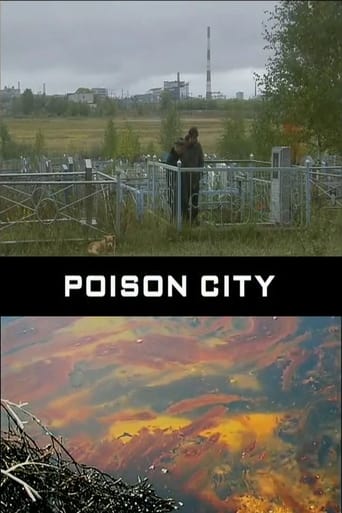
09 Mar 2003
Dzerzhinsk, a Russian city 240 miles east of Moscow, is considered the most chemically polluted town on Earth. Factories producing industrial chemicals (and in Soviet times, chemical weapons) employ a quarter of the 300,000 residents in a city where life expectancy has fallen to 42-47 years, the death rate is 2.6 times higher than the birth rate, and the men are close to impotence. Reporter Tim Samuels recorded a series of in-depth interviews with the inhabitants of Dzerzhinsk for the Correspondent strand, revealing what life is like for the beleaguered populace.
09 Jan 1990
Acid rain, economic development, and a century of mining pollute Rocky Mountain waters.
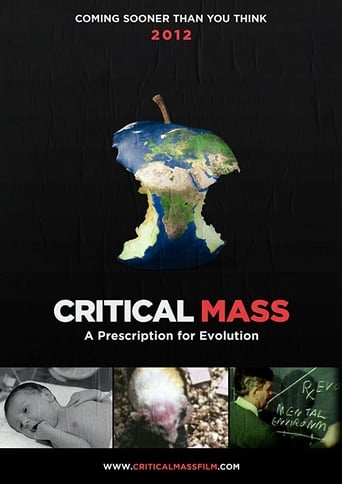
25 Apr 2013
Things aren't looking good for the world's population; as we multiply at an alarming rate there is not enough food, space... or sense. This intelligent film interweaves a fascinating 1960s rat experiment by Dr. John B. Calhoun with a slick snapshot of today's urban jungle.
30 Apr 2024
No overview found
01 Jan 2010
Something is bad wrong as everyday Americans fight to protect their air, water and blood from pollution.
24 Jan 2010
It is happening all across America-rural landowners wake up one day to find a lucrative offer from an energy company wanting to lease their property. Reason? The company hopes to tap into a reservoir dubbed the "Saudi Arabia of natural gas." Halliburton developed a way to get the gas out of the ground-a hydraulic drilling process called "fracking"-and suddenly America finds itself on the precipice of becoming an energy superpower.
26 Nov 2019
No overview found

05 May 2017
Whose Dominion? The Pollution of Cleveland County takes a very brief look at some of the environmental issues in Cleveland County, N.C.
21 May 2009
Every km of ocean now contains an average of 74,000 pieces of plastic. A 'plastic soup' of waste, killing hundreds of thousands of animals every year and leaching chemicals slowly up the food chain. In Holland, scientists found plastic in the stomachs of 95% of all fulmar birds. In Germany, plastic has been found to affect the reproductive systems of animals, while in the US, conservationists are seeing increasing numbers of dolphins die in agony, their guts blocked with rubbish. What will be the long term impact of this 'plastic pollution'? Can anything be done to clean up our oceans?
04 Nov 2011
Humanity’s ascent is often measured by the speed of progress. But what if progress is actually spiraling us downwards, towards collapse? Ronald Wright, whose best-seller, “A Short History Of Progress” inspired “Surviving Progress”, shows how past civilizations were destroyed by “progress traps”—alluring technologies and belief systems that serve immediate needs, but ransom the future. As pressure on the world’s resources accelerates and financial elites bankrupt nations, can our globally-entwined civilization escape a final, catastrophic progress trap? With potent images and illuminating insights from thinkers who have probed our genes, our brains, and our social behaviour, this requiem to progress-as-usual also poses a challenge: to prove that making apes smarter isn’t an evolutionary dead-end.
13 Nov 2014
"Origins" takes a journey through the biological roots of where we have come from and where we have gone. Using fire as a metaphor for technology, the film looks at the advances of our civilization and how the recklessness of unchecked technology is now choking out the environment and poisoning our bodies. Interviews with the biggest names in the health and green space create compelling context and arguments for how we can better coexist with nature. "Origins" shows how man, technology, and nature can walk together in balance.
13 Dec 2012
Actor Jeremy Irons investigates the global scale and impact of humanity's modern wasteful consumerism and pollution. The film is a call for urgent action to resolve the issue of existing deposits and drastically reduce our consumption towards sustainable levels and zero waste, but also demonstrates how this is already being achieved successfully in many communities around the world.
27 Jan 2017
Over eight million tonnes of plastic enters the ocean each year, killing sea life. Now new evidence says it's entering our food chain with unknown health effects.
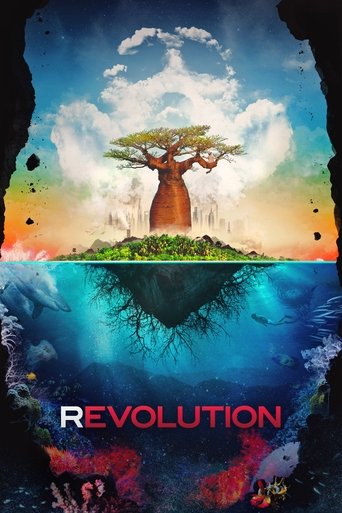
28 May 2012
A follow-up to Rob Stewart's documentary Sharkwater, this continues his journey of discovery to find out that what he thought was a shark problem is actually a people problem. As Stewart's battle to save sharks escalates, he uncovers grave dangers threatening not just sharks, but humanity. In an effort to uncover the truth and find the secret to saving our own species, Stewart embarks on a life-threatening adventure through 15 countries, over four years in the making. In the past four years the backdrop of ocean issues has changed completely. Saving sharks will be a pointless endeavor if we are losing everything else in the ocean, not just sharks. Burning fossil fuels is releasing carbon dioxide into the atmosphere; changing the oceans, changing atmospheric chemistry and altering our climate.
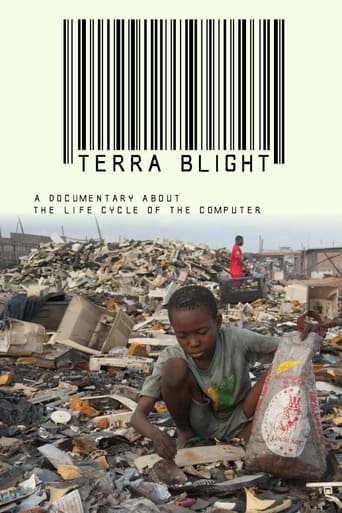
24 Jan 2012
Exploring America’s consumption of computers and the hazardous waste we create in pursuit of the latest technology, Terra Blight traces the life cycle of computers from creation to disposal and juxtaposes the disparate worlds that have computers as their center. From a 13-year-old Ghanaian who smashes obsolete monitors to salvage copper to a 3,000-person video game party in Texas, Terra Blight examines the unseen realities of one of the most ubiquitous toxic wastes on our planet.